What if true strength lies not in external dominance but in the quiet power of inner discipline? Marcus Aurelius exemplified this paradox—ruling an expansive empire while mastering his mind through Stoic philosophy. This pursuit of self-control, resilience, and moral clarity transformed him into a leader whose calm amid chaos became his greatest asset. The practice of daily reflection, mindful acceptance, and deliberate responses shaped his legacy, demonstrating that internal resilience is more enduring than fleeting external victories. As the world grows more complex, leaders and individuals alike are increasingly called to develop this internal fortress—embracing patience, humility, and moral purpose. Could cultivating inner strength redefine leadership and societal stability in the future? This timeless lesson from Marcus Aurelius’s life invites us to reflect: in a chaos-driven world, might true power be rooted within?
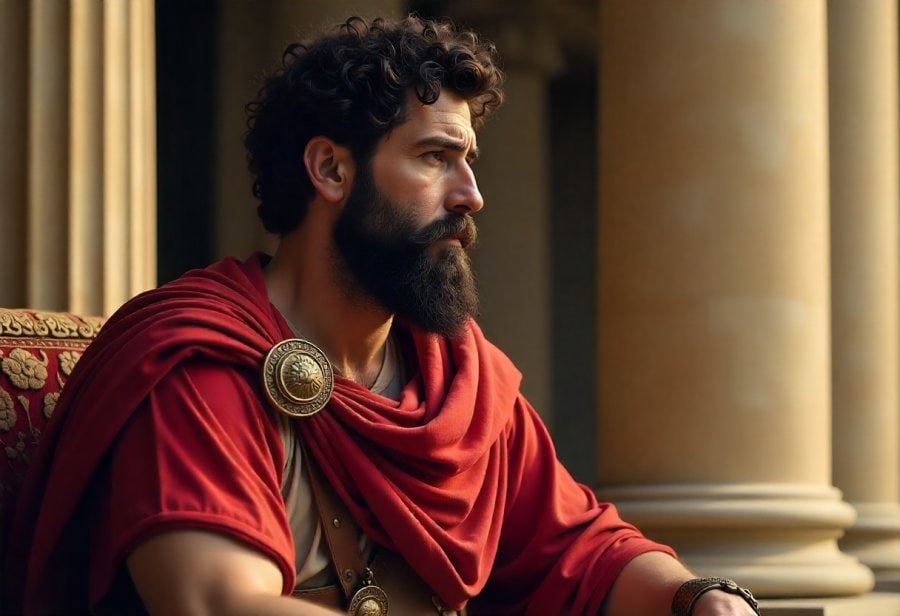
Unseen Power: The Quiet Strength of Inner Discipline
Inner discipline often remains unseen when we consider what truly makes someone strong. We tend to focus on external achievements—titles, material success, or visible victories—yet beneath those accomplishments lies a quieter force: the ability to master oneself. This form of strength isn’t about physical power or outward dominance; it’s about controlling impulses, maintaining focus on long-term goals, and staying mentally clear amid chaos. It’s a resilience that doesn’t shout but quietly sustains us through life’s inevitable ups and downs.
This inner strength is more than just willpower. It’s a way of being that remains steady regardless of external circumstances. Developing inner discipline creates a mental fortress, one that withstands setbacks and temptations while keeping our purpose intact. It’s about choosing how to respond rather than reacting impulsively—an act of deliberate agency that shapes how we face challenges. Over time, this approach transforms our reactions, enabling us to handle difficulties with calm and clarity instead of chaos and confusion.
Far from being a fleeting trait, inner discipline becomes a foundation for authentic leadership and personal growth. It’s built through daily routines—reflection, mindfulness, acceptance—that reinforce resilience and moral clarity. These small acts cultivate habits that help us stay present, respond thoughtfully, and maintain steadiness amidst external noise. As they accumulate, they reshape how we approach life’s obstacles, turning reactive reactions into mindful responses rooted in inner strength.
Looking at history, figures like Marcus Aurelius exemplify how this quiet form of strength can define a legacy. As a philosopher-king, he prioritized self-mastery above all else. Despite wars, plagues, and political turmoil, his writings reveal a man committed to cultivating inner discipline through reflection and moral inquiry. His calm demeanor and wise leadership stemmed from a deep inner reserve—an unshakeable resilience that came from mastering himself first, not conquering others.
This internal resilience is the true source of lasting strength. It’s not flashy or immediate but deeply rooted in self-awareness and moral clarity. When we develop inner discipline, we build a mental resilience that supports us through personal struggles and leadership challenges alike. It’s a steady, dependable force—less visible but far more powerful than external achievements—shaping who we are and how we face life’s uncertainties.
Stoic Resilience: Foundations of Inner Mastery in Ancient Rome
Stoicism originated in Greece around the early 3rd century BCE, founded by Zeno of Citium. It emphasized virtue, self-control, and resilience as the cornerstones of a good life. The core idea is that while external events are beyond our control, our reactions to them are entirely within our power. This philosophy gained traction in Rome, where it resonated deeply with leaders facing constant upheaval—wars, political intrigue, and social unrest. Roman Stoics believed that true strength stemmed from inner mastery, not external possessions or power.
Roman thinkers like Seneca, Epictetus, and Marcus Aurelius adapted Stoic principles to their unique context. They promoted virtues such as patience, humility, and wisdom, emphasizing that emotional resilience was essential for navigating the chaos of empire-building. Practicing daily reflection, mindfulness, and acceptance of what cannot be changed became tools to develop mental fortitude. These routines fostered a steady mindset capable of remaining calm amidst external turmoil. Such resilience was not about suppressing emotions but mastering them to act wisely and morally.
Marcus Aurelius exemplified these ideals profoundly. From a young age, he immersed himself in Stoic teachings, which guided his approach as emperor. His reign was marked by wars, plagues, and political unrest, yet he maintained a composed demeanor rooted in self-discipline. His personal writings in *Meditations* reveal a man committed to moral reflection and inner growth. Despite external chaos, he sought to govern with wisdom and humility, viewing challenges as opportunities for moral testing.
His leadership was less about asserting dominance and more about embodying virtue. Marcus often reminded himself that external events were outside his control, but his responses were within his power. This mindset allowed him to face crises with calmness and clarity, inspiring loyalty and trust. His ability to govern effectively while remaining true to his moral principles demonstrated that inner discipline was the true source of strength—more enduring than any external conquest.
The influence of Stoicism on Roman leadership extended beyond individual virtues. It provided a practical framework for resilience in the face of adversity. Rituals like journaling, reflection, and acceptance became daily habits that reinforced moral clarity and mental toughness. These practices transformed inner discipline from abstract philosophy into a tangible, lived experience—one that shaped not only personal character but also the stability of the empire.
In essence, Stoicism offered a blueprint for internal resilience that transcended its time. It taught that mastery over oneself is the highest form of power, especially when external circumstances are unpredictable. Marcus Aurelius’s life and writings exemplify how inner discipline can serve as the foundation for authentic leadership, inspiring generations to look inward for strength amid external chaos. This enduring philosophy continues to remind us that true power begins within.
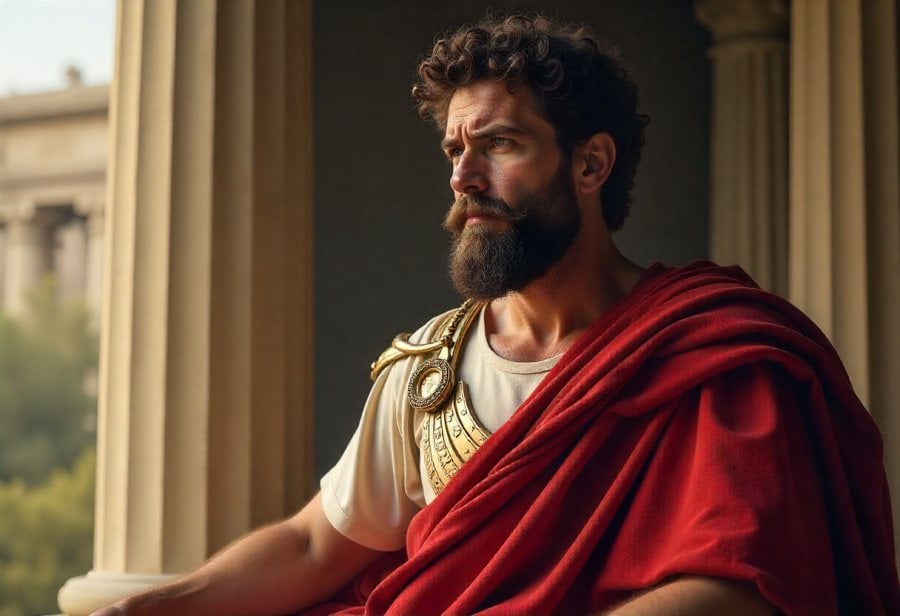
Inner Discipline: The True Source of Lasting Strength and Leadership
Inner discipline is the foundation of what we often think of as true strength. It involves cultivating habits of self-control, resilience, and moral clarity that remain steady even when external circumstances are unpredictable or chaotic. This kind of strength isn’t flashy or immediate; instead, it acts as a quiet anchor, allowing us to face adversity with calm and purpose. Leaders like Marcus Aurelius demonstrate how inner discipline enhances not only personal resilience but also our capacity to guide others with integrity and clarity.
When we develop inner discipline, we become less reactive and more deliberate. Instead of being tossed around by emotions or external chaos, we learn to pause and respond thoughtfully. This mental pause creates a fortress that withstands setbacks and temptations, offering resilience that doesn’t need to shout but quietly sustains us through life’s ups and downs. Such strength enables persistence without compromising our sense of purpose, even amid significant challenges.
This internal resilience directly influences leadership. Marcus Aurelius exemplified it through his daily routines of reflection, journaling, and philosophical practice. Despite wars, plagues, and political turmoil, he maintained a steady focus on virtues like wisdom, patience, and humility. His ability to govern with calm and moral clarity was rooted in mastery of his inner world. He understood that true power isn’t about external dominance but about the inner strength that keeps a leader grounded and morally upright, regardless of external chaos.
Inner discipline also sharpens our moral compass, helping us differentiate what truly matters from fleeting distractions. It aligns our actions with core virtues, enabling consistent, ethical decisions—even when faced with difficult choices or external pressures. Developing this clarity over time builds a resilient mindset that can absorb setbacks without sacrificing integrity. Routine practices like mindfulness, reflection, and acceptance reinforce this internal strength, gradually transforming how we handle life’s inevitable ups and downs.
Practicing these habits isn’t about perfection but persistent effort. Small routines—such as daily journaling or mental rehearsals—prepare us for real challenges, making calm and deliberate responses more natural over time. Each act of choosing patience over impulsiveness or calm over chaos strengthens our capacity for inner resilience. These repeated acts become second nature, shaping a disciplined mind capable of withstanding the storms of life and leadership alike. Inner discipline, built day by day, becomes the most reliable source of strength we can rely on.
Everyday Wisdom: Practical Steps to Cultivate Self-Mastery
Applying Stoic principles of self-mastery in daily life doesn’t require sweeping changes; small, consistent habits make a real difference over time. Starting with daily reflection or journaling is one of the simplest yet most effective practices. Spending just a few minutes each day writing down your thoughts, reactions, and feelings helps you become more aware of your patterns. This habit makes it easier to spot when you’re reacting impulsively versus responding thoughtfully, reinforcing your self-control.
Mindfulness plays a crucial role in cultivating inner discipline. By staying present in each moment, you create space between stimulus and response. When frustration or impatience rise, pausing—even briefly—gives you the chance to choose a calmer, more deliberate reaction. Over time, this simple act trains your mind to remain steady under pressure, gradually strengthening your inner resilience.
Another useful technique is negative visualization. Instead of obsessing over worst-case scenarios, it involves imagining potential setbacks or difficulties before they happen. This mental rehearsal prepares your mind to accept challenges with calmness and equanimity. When adversity strikes, you’re less likely to be overwhelmed because you’ve already considered and mentally prepared for it, reducing emotional reactivity.
Acceptance of what’s outside your control is at the heart of practical Stoicism. Recognizing that external events are beyond your influence frees you to focus on your reactions and choices. Practicing this mindset shift regularly diminishes frustration and cultivates patience, making it easier to handle setbacks gracefully. Over time, acceptance becomes second nature, bolstering your internal resilience.
Incorporating routines like mindful breathing, brief meditation, or mental rehearsals into your day can be surprisingly straightforward yet deeply impactful. Dedicating just five minutes in the morning to plan how you’ll respond to potential challenges sets a proactive tone. As these habits become habitual, they subtly reshape your mental landscape, making calm and thoughtful responses more natural.
Remember, cultivating inner discipline isn’t about perfection. It’s about persistent effort and increased self-awareness. Each time you choose patience over impulsiveness or calm over chaos, you reinforce your capacity for true strength. Marcus Aurelius’s daily practices of reflection and journaling serve as a powerful example of how consistent effort can turn philosophy into habit, resulting in a resilient mind capable of facing life’s unpredictability.
By weaving these small practices into your daily routine, you build a mental fortress that supports both personal growth and effective leadership. These habits reinforce the idea that inner discipline is a skill, one that strengthens with use. Over time, they lay a foundation of inner resilience that sustains you through challenges and helps you lead with wisdom and calm.
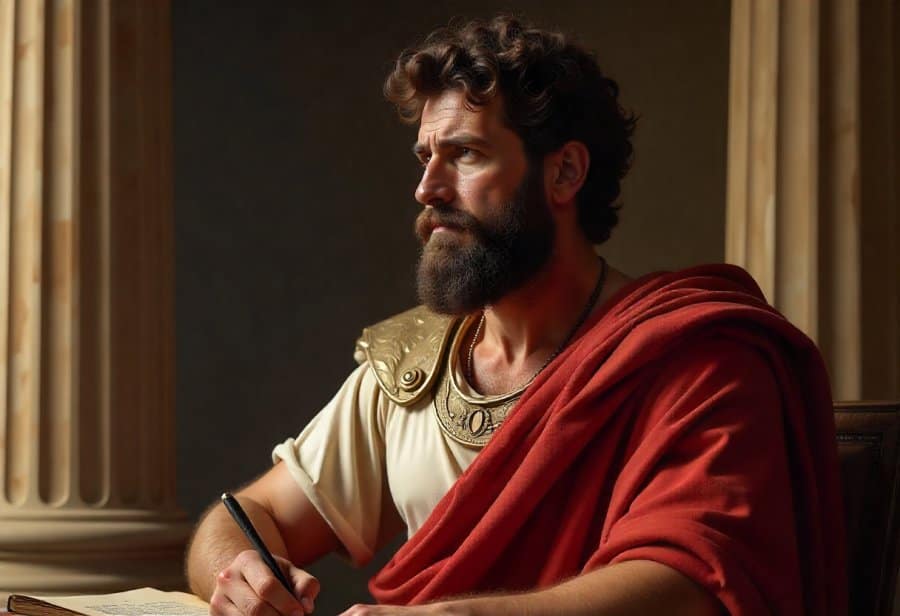
Shaping the Future: How Inner Strength Will Define Tomorrow’s Leaders
Looking ahead, the role of inner discipline in leadership and society is poised to become even more vital. As the world accelerates in complexity and pace, external markers of power—such as wealth, status, or dominance—may lose their grip on true influence. Instead, qualities rooted in resilience, self-awareness, and moral clarity will stand out as the real measures of strength. Leaders who prioritize these inner virtues can inspire trust and foster stability, guiding their communities through uncertainty with calm confidence and moral purpose.
We already see signs of this shift. Movements emphasizing mental health, emotional intelligence, and resilience highlight that genuine influence emerges from within. When organizations and institutions value virtues like patience, humility, and moral integrity over superficial achievements, they create environments where true leadership flourishes. Such environments attract followers not through fear or superficial charisma, but through authenticity and moral consistency—traits cultivated by inner discipline.
This evolution aligns with a broader societal understanding: authentic influence depends on moral resilience. Leaders who develop inner discipline are better equipped to handle misinformation, polarization, and rapid change. Their capacity to remain centered, think clearly, and respond thoughtfully becomes a model others aspire to emulate. As these qualities become more valued, they set the foundation for resilient communities that can adapt and thrive amid ongoing global challenges.
On a personal level, fostering inner discipline offers protection against the distractions and superficial pursuits that dominate modern life. Developing routines like meditation, reflection, and acceptance builds mental toughness, supporting both individual growth and societal well-being. When more people embrace these qualities, they contribute to a cultural shift—one that prizes patience, moral clarity, and resilience as essential virtues. This shift could redefine what it means to be a leader in the future, emphasizing character over conquest.
In the end, the future of leadership may hinge on how well individuals cultivate inner strength today. Inner discipline isn’t just a personal virtue; it’s a collective asset that can elevate entire societies. By investing in mental fortitude and moral resilience now, we lay the groundwork for a world where true strength is rooted in wisdom over conquest, and where the most influential leaders are those who govern themselves first. This is the legacy of Marcus Aurelius’s quiet reflection—an enduring blueprint for the leaders of tomorrow.