Imagine transforming your daily walks from chaotic tug-of-war to peaceful bonding moments with your dog—sounds ideal, but how do you achieve it? Mastering calm leash walking isn’t just about manners; it’s about building trust, communication, and mutual respect. This comprehensive guide offers insights into canine behavior, effective strategies, and practical tips for establishing a relaxed, focused routine. From choosing the right equipment to handling distractions and setbacks, every step is designed to deepen your bond and create joyful, stress-free outings. Will patience and consistency turn your walks into shared adventures filled with calm and connection? With each positive reinforcement and gentle correction, you’ll find that peaceful leash walking becomes second nature—not only improving your dog’s behavior but enriching your relationship. Are you ready to unlock this rewarding skill and turn everyday walks into moments of trust, joy, and harmony?
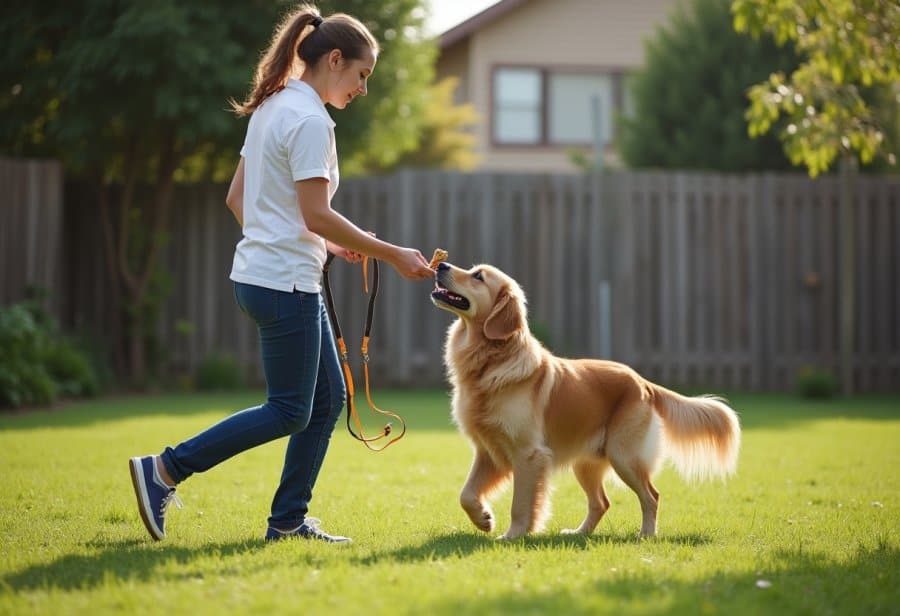
Transform Your Walks Into Moments of Peace and Connection
Mastering calm dog walking can truly transform everyday outings into peaceful, enjoyable moments for both you and your pet. When your dog learns to walk calmly at your side, it turns what used to be a source of frustration—pulling, lunging, and distraction—into an opportunity for connection and trust. A relaxed walk not only makes the experience more pleasant but also lays the foundation for better behavior in public and at home, reducing stress for everyone involved.
Beyond manners, calm leash walking helps prevent common behavioral issues and fosters confidence and attentiveness in your dog. When your dog feels secure and understands what’s expected, each walk becomes a shared moment of harmony and mutual respect. Developing this skill takes patience, but the rewards are well worth the effort, strengthening your bond and making training a positive, bonding experience rather than a chore.
The benefits extend beyond obedience. Peaceful walks nurture trust and improve communication, creating a deeper emotional connection. As you both enjoy these calm outings, you’ll find that your relationship becomes more resilient and joyful. In the end, mastering calm dog walking isn’t just about better behavior—it’s about turning daily routines into meaningful, shared experiences that enrich your life together.
Core Principles to Nail Calm Canine Leash Skills
Understanding canine behavior is essential for successful calm dog walking. Dogs are naturally guided by instincts rooted in their history as pack animals and hunters. They respond strongly to movement, scents, and sounds, which can easily trigger excitement or distraction during walks. Recognizing these tendencies allows you to anticipate reactions and respond calmly rather than reactively, setting the stage for better training and smoother outings.
Clear communication is just as vital. Using consistent commands like “heel,” “sit,” or “stay” creates predictability for your dog. When your cues are straightforward and repeated, your dog quickly learns what’s expected, reducing confusion and frustration. Reinforcing these commands with positive rewards encourages eager following and builds trust that calm behavior leads to good outcomes.
Positive reinforcement remains the backbone of gentle leash training. Treats, praise, or petting motivate your dog to stay focused and walk calmly. Rewarding good behavior immediately helps your dog associate calmness with positive experiences, making relaxed leash walking a natural habit over time. Patience and consistency are key, especially if your dog is easily distracted or energetic.
Remember, leash training is a gradual process. Dogs need time to learn new behaviors, and setbacks are normal. When your dog pulls or gets distracted, calmly redirect with your cues and rewards. Gentle, positive guidance builds trust and cooperation, making the journey smoother for both of you.
Step-by-Step Techniques for Peaceful Walks
To achieve calmness during walks, start by choosing a quiet, familiar environment where your dog can focus without constant distractions. This helps establish a calm baseline and makes initial training more manageable. Keep the leash short enough to maintain control; this naturally encourages your dog to stay close and attentive. When your dog walks calmly beside you, immediately offer praise or treats to reinforce that behavior.
If your dog pulls or gets distracted, stop walking and gently correct with a calm voice or a soft tug on the leash. Wait until your dog returns to your side before resuming movement. Consistency in these responses builds clear associations and trust. Regularly practice the “heel” command, rewarding your dog for walking at your side. Over time, gradually introduce more distractions, always rewarding calm, focused behavior.
Your own energy sets the tone—staying relaxed and patient helps your dog mirror that calmness. Short, frequent training sessions are more effective than long, exhausting walks, allowing your dog to learn that peaceful walking is the norm. As progress continues, slowly expose your dog to busier environments, redirecting their attention with cues like “look at me” and rewarding responses.
Remember, setbacks are normal. Patience and consistency are your best tools in helping your dog develop self-control. With steady practice, peaceful leash walking will become a natural, shared experience that deepens your bond and makes every outing enjoyable.
Real-World Tips to Practice Calm Dog Walking
Practicing calm dog walking in real-world settings requires patience and a steady approach. Start in familiar, low-distraction areas like your backyard or a quiet park, where your dog can focus on your cues without feeling overwhelmed. Keep the leash short enough to maintain control, which naturally encourages your dog to stay close and attentive. When your dog walks calmly, immediately reward with praise or treats to reinforce the behavior, making it clear that calmness pays off.
Gradually introduce more distractions as your dog becomes more comfortable. Once they’re steady in quiet settings, venture into busier environments, always rewarding calm, focused behavior. Your own relaxed demeanor sets the tone—dogs are highly perceptive and tend to mirror your energy. Short, frequent training sessions are more effective than long walks, helping your dog build confidence without fatigue or frustration. Consistency is key; stick to routines and cues to strengthen understanding.
If your dog pulls or gets distracted, calmly stop and redirect with a command like “look at me” or “focus,” rewarding their attention when they respond. Patience and gentle correction over harsh punishment foster trust and cooperation. Remember, setbacks are normal. Keep your tone positive, and celebrate small successes to motivate your dog. Over time, these practical steps turn training into a shared, enjoyable routine that deepens your bond.
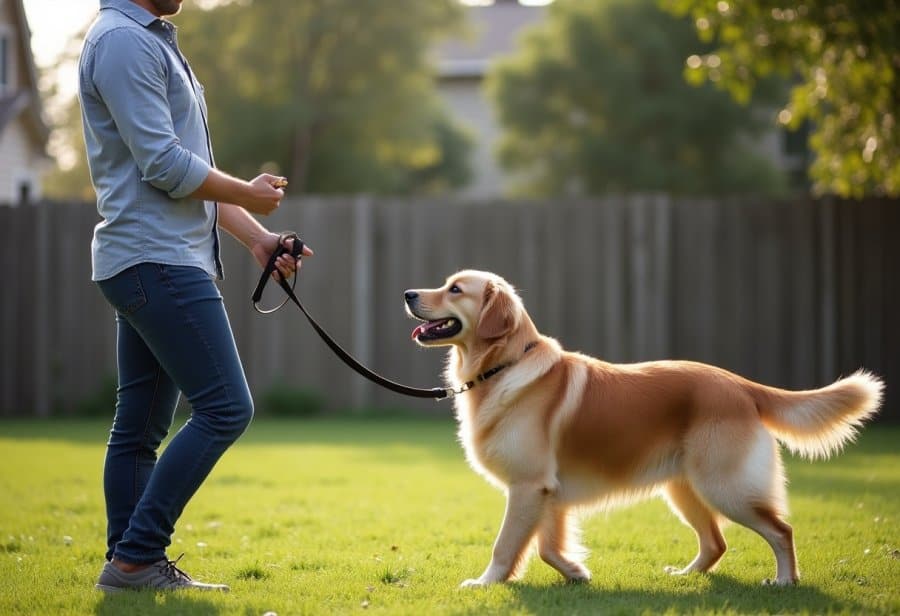
Budgeting for Successful Training: Costs and Value
Training your dog to walk calmly on a leash involves some investment, but understanding the costs helps you plan wisely. Basic equipment like a well-fitting harness or collar is affordable, typically ranging from $10 to $30. These tools are essential for comfortable, effective training and help maintain control without causing discomfort. Treats and training aids, such as clickers or treat pouches, are inexpensive—usually under $10—and are vital for consistent positive reinforcement.
If you opt for professional guidance, group classes generally cost between $50 and $150 per session, while private lessons can range from $100 to $250 per hour. While these expenses might seem steep initially, many owners find that investing in quality training accelerates progress and reduces long-term behavioral issues. Better manners and focus translate into fewer costly corrections or vet visits down the line.
Long-term savings also come from well-trained dogs that are less prone to problematic behaviors, which could lead to costly fixes later. Peaceful leash training reduces the risk of accidents or injuries in busy environments, saving you money on medical bills. Budgeting for training supplies and professional help doesn’t mean overspending—focus on quality tools and guidance that support your goals.
Small, consistent investments in the right equipment and techniques build a solid foundation for your dog’s behavioral success. Over time, these costs pay off through a happier, more cooperative pet and more enjoyable walks, making the effort well worth it.
Putting Your Calm Walk Plan Into Action
To start your peaceful leash training, set clear, achievable goals and prepare your environment. Choose a quiet, familiar spot like your backyard or a nearby park with minimal distractions. Gather all necessary tools—such as a comfortable harness, treats, and a clicker if you use one—and keep them within easy reach. Establish a consistent routine for training sessions, aiming for short, daily practice periods that build momentum without overwhelming your dog.
Begin with basic commands like “heel” and “sit,” rewarding your dog immediately when they respond calmly and correctly. Use positive reinforcement, such as treats or praise, to create a strong association between good behavior and rewards. Keep sessions upbeat and brief—around five to ten minutes—to maintain your dog’s focus and prevent frustration. If your dog pulls or becomes distracted, calmly correct with a gentle voice or a soft tug on the leash, then pause until they return to your side before resuming. Patience is key; don’t rush the process.
As your dog grows more comfortable, gradually introduce mild distractions to challenge their focus. Consistently reward calm, attentive behavior to reinforce your training. Remember that your own demeanor influences your dog’s reactions—staying relaxed and patient encourages your dog to mirror that calmness. Regular, deliberate practice will steadily turn peaceful leash walking into a natural and enjoyable routine for both of you.
Troubleshooting Common Challenges in Leash Training
Training a dog to walk calmly on a leash can come with its challenges, but knowing how to address common issues makes a big difference. Pulling on the leash is often driven by excitement or curiosity. When this happens, stopping immediately and gently correcting your dog’s behavior helps reinforce that pulling isn’t acceptable. Once they return to your side, reward generously to encourage the right habits. Consistency in responses is key, as dogs quickly learn that staying close results in positive outcomes.
Distractions like squirrels, other dogs, or loud noises can also disrupt progress. When your dog becomes overly engaged or distracted, redirect their attention with a command like “look at me” or “focus,” and reward when they respond. Gradually exposing your dog to busier environments while maintaining calmness helps develop self-control. Patience is essential—these behaviors take time to develop, and setbacks are normal.
Some dogs may experience anxiety or resistance during walks, especially if they’ve had negative past experiences. Gentle, positive reinforcement paired with a calm demeanor can help them feel more secure. If persistent issues arise, consulting a professional trainer can provide tailored strategies. Remember, patience and consistency build trust, making setbacks just part of the learning process.
Avoid harsh corrections, which can create anxiety or damage your bond. Instead, focus on gentle redirection and praise for calm behavior. This approach fosters cooperation and trust, helping your dog understand that walk time is safe and enjoyable. Overcoming challenges gradually turns training into a positive, shared experience.
Recognize that setbacks are part of growth. When your dog pulls or gets distracted, stay calm and persistent. Use these moments as opportunities to reinforce your training cues. Celebrate small victories to keep motivation high and build your dog’s confidence. With time, patience, and consistent effort, calm leash walking becomes an achievable and rewarding routine.
By approaching each challenge with understanding and gentle guidance, you strengthen your bond and set your dog up for success. Flexibility and patience are your best tools, ensuring that even difficult days lead to progress. Remember, every step forward is a step toward peaceful, joyful walks that both you and your dog will enjoy.
Deepen Your Bond Through Tranquil Walks
Building a calm, peaceful leash routine goes beyond just improving your dog’s behavior—it deepens the bond you share. When walks are relaxed and positive, your dog begins to trust your leadership and feels secure by your side. Gently guiding with consistent commands and offering praise reinforces this trust, encouraging your dog to focus on you rather than distractions. These shared moments of calm foster mutual respect and understanding, transforming training into a meaningful bonding experience rather than just a task.
Every peaceful walk becomes an opportunity to communicate affection and confidence. Maintaining a steady pace and rewarding attentive behavior help your dog see you as a reliable guide. Over time, these routines create a sense of security, making your dog more eager to cooperate and less prone to anxiety or overexcitement. This mutual trust forms the foundation for a harmonious relationship, built on positive reinforcement and patience.
Incorporating brief petting or play breaks during walks strengthens your emotional connection. These small acts of affection remind your dog that walks aren’t solely about obedience—they’re shared moments of joy. When your dog feels appreciated and understood, they’re more likely to stay calm and attentive, even in more stimulating environments.
Remaining calm yourself influences your dog’s behavior profoundly. Dogs are intuitive and quickly pick up on your energy; a relaxed, confident demeanor encourages your dog to mirror that calmness. This shared sense of trust and stability turns routine walks into peaceful, bonding adventures that enrich your relationship and foster lifelong harmony.
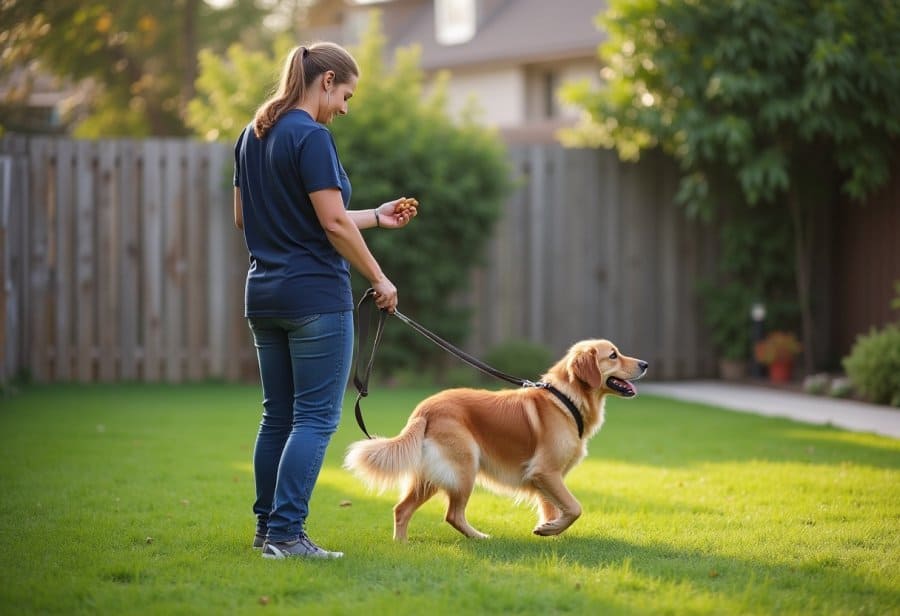
Keep Calm and Carry On: Mastering Peaceful Dog Walks
Consistently practicing calm dog walking turns these skills into lasting habits. The more you reinforce patience and focus during your outings, the more natural it becomes for your dog. Remember, each dog learns at their own pace, so patience remains essential. Celebrating small successes along the way boosts your dog’s confidence and keeps motivation high.
Using positive reinforcement every time your dog remains calm—through praise, treats, or gentle petting—strengthens their understanding that peaceful walks are rewarding. Over time, these behaviors will feel automatic, transforming walks from tense routines into moments of mutual enjoyment and connection. Gradually exposing your dog to busier environments helps them generalize calm behavior, making outings more manageable and enjoyable everywhere.
Your own calm demeanor plays a crucial role. Dogs are highly perceptive and tend to mirror your energy; staying relaxed encourages them to do the same. These shared moments of tranquility deepen your bond, turning routine walks into bonding experiences filled with trust and joy. The key is patience—every setback is just part of the learning process, not a failure.
Remember to set realistic goals and remain flexible. Some days will be better than others, but consistent effort and positive attitude will pay off. With time and persistence, calm leash walking will become second nature, enriching your relationship and making every walk a peaceful, shared adventure.