Probiotics are often celebrated as the key to a healthy gut, but are they truly necessary for everyone, or simply a temporary fix during times of imbalance? This insightful exploration reveals that while probiotics—live microorganisms found in foods like yogurt, kimchi, and supplements—can support digestion, immune function, and microbiome diversity, their benefits are often strain-specific and mild. The real question is: should we rely on daily supplements or focus on natural sources and lifestyle habits for long-term gut resilience? Especially after illness or antibiotics, targeted probiotic use over a few weeks can help restore balance, but overuse or poor quality products may cause discomfort without lasting gains. Ultimately, supporting gut health involves more than just popping pills—it’s about nourishing your microbiome with fermented foods, fiber-rich diets, and mindful habits. Are probiotics the magic solution or just a piece of the larger health puzzle?
Unlocking the Secrets of Gut Health and Probiotics
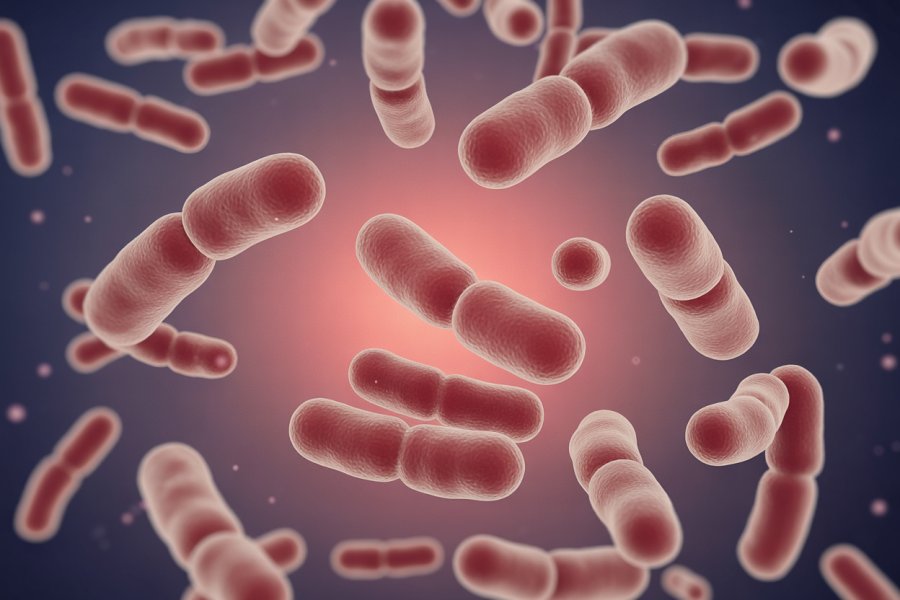
Our gut health is a cornerstone of overall well-being, influencing everything from digestion to immune defenses. At the heart of this is the gut microbiome—a bustling community of trillions of microorganisms, including bacteria, fungi, and viruses, that reside in our digestive tract. These tiny residents are more than passive passengers; they actively help break down food, produce essential nutrients, and fend off harmful invaders. When this ecosystem remains balanced, our digestion is smooth, and our bodies are better equipped to handle stress and illness.
Probiotics, often called “good bacteria,” are live microorganisms that we can introduce through supplements or fermented foods like yogurt, kefir, sauerkraut, and kimchi. Their primary role is to support or restore the beneficial bacteria in our gut, especially after disruptions caused by illness, antibiotics, or poor diet. While they can offer benefits such as improved digestion, reduced bloating, and immune support, these effects are often specific to certain strains and may not be long-lasting for everyone.
Science shows that probiotics can help replenish beneficial bacteria when the microbiome has been compromised. They compete with harmful bacteria for resources, produce substances that inhibit pathogens, and increase microbial diversity—an important factor for a resilient gut environment. Maintaining this diversity promotes better digestion, stronger immune responses, and overall gut stability. However, these benefits are most noticeable when the gut is out of balance, rather than serving as a permanent fix for those with already healthy microbiomes.
It’s worth noting that probiotics are not a one-size-fits-all solution. Their effects tend to be strain-specific and often mild or temporary, particularly for individuals with a balanced, healthy gut. Quality matters—products that are poorly manufactured or stored improperly can lose potency, reducing their effectiveness. For many, supporting gut health naturally through a fiber-rich diet and fermented foods can be just as beneficial, if not more so, than relying on supplements.
Using probiotics wisely involves understanding their limitations and focusing on targeted support during times of disruption. They can be especially helpful after illness or antibiotic treatment, when the microbiome needs reinforcement. Incorporating fermented foods into your diet can provide natural, ongoing support without the need for daily supplements. This approach fosters a resilient microbiome that can better withstand stress and dietary changes over time.
While probiotics can be a valuable tool, they aren’t a cure-all. Their benefits are most effective when combined with healthy lifestyle habits—like balanced eating, regular exercise, and stress management. Recognizing when probiotics are appropriate and how to use them effectively helps maximize their impact, turning them into a supportive part of your overall health strategy rather than a quick fix.
In the end, supporting your gut health is about more than just popping a pill. It involves nurturing your microbiome through thoughtful choices and sustainable habits. Probiotics serve as a helpful addition during specific needs, but long-term resilience comes from a balanced diet and a lifestyle that promotes overall wellness. When used appropriately, they can help your gut stay strong, adaptable, and ready to support your health in the years ahead.
Supporting Your Microbiome: How Probiotics Restore Balance and Boost Immunity
Probiotics play a key role in maintaining and restoring a healthy balance of bacteria within the gut. When the natural microbiome is disrupted—by antibiotics, illness, or dietary changes—introducing beneficial strains can help tip the scales back toward harmony. These live microorganisms compete with harmful bacteria for nutrients and space, making it harder for pathogens to establish themselves. They also produce substances like acids and antimicrobial compounds that inhibit or kill off dangerous bacteria, creating a safer and more resilient gut environment.
Different probiotic strains serve specific functions. Some are particularly effective at reducing diarrhea, especially after antibiotic use or during travel, while others support immune health by stimulating immune cells and strengthening the gut’s barrier. Certain strains can also help alleviate bloating or irregularity by improving digestion and promoting regular bowel movements. Because each strain offers unique benefits, choosing the right one depends on your individual needs, emphasizing the importance of understanding their specific roles.
Restoring diversity in the gut microbiome is crucial for overall health. When beneficial bacteria are wiped out or diminished, probiotics act as a quick fix to help rebuild this microbial community. A diverse microbiome enhances digestion, vitamin production, and defense against invaders. Reintroducing targeted strains after illness or antibiotic therapy helps create a resilient environment that supports long-term gut function and immune response, making your microbiome more adaptable to stress and dietary shifts.
Probiotics also influence immune health by supporting the gut’s barrier function and stimulating immune responses. A balanced microbiome trains the immune system to distinguish harmless substances from threats, reducing allergy and infection risks. Beneficial bacteria modulate inflammation, produce immune-boosting compounds, and enhance the gut’s ability to respond to pathogens. This interconnectedness highlights how vital a healthy microbiome is not just for digestion but for overall immune resilience.
Since probiotic effects are strain-specific and often temporary, their benefits are most noticeable during periods of imbalance or recovery. They work best when used thoughtfully—such as after antibiotics, during stress, or when digestive discomfort arises. Proper timing, like taking them on an empty stomach or just before meals, can improve their survival through stomach acid. Pairing probiotics with a fiber-rich diet and fermented foods encourages the growth of beneficial microbes, supporting a healthier, more resilient microbiome over time.
Targeted Strategies: Using Probiotics Effectively After Illness and Antibiotics
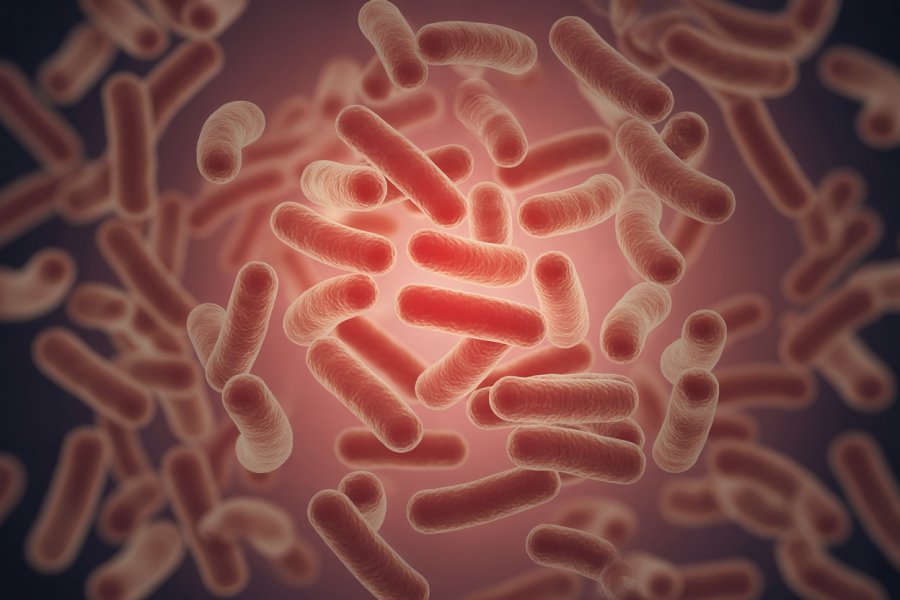
After illness or completing a course of antibiotics, adding probiotics can support your gut’s recovery process. The key is timing: starting probiotics within a few days after finishing medication or once symptoms improve helps replenish beneficial bacteria that antibiotics often wipe out. This early intervention can speed up restoring a balanced microbiome, making digestion smoother and boosting your immune defenses during recovery.
The duration of probiotic use varies based on individual needs. For most, taking a probiotic daily for two to four weeks after antibiotics or illness provides enough support to rebuild gut diversity. Once symptoms settle and digestion stabilizes, you can often reduce intake or switch to fermented foods like yogurt or sauerkraut to maintain the benefits. Those with ongoing digestive issues or weakened immune systems might need a longer course, so consulting a healthcare professional can help tailor the right plan.
Choosing the right strains makes a difference. Look for high-quality probiotics that specify strains such as Lactobacillus rhamnosus or Bifidobacterium bifidum—these are well-studied for post-antibiotic support. Check the CFU count, which indicates the number of live bacteria, and follow storage instructions carefully, often refrigeration, to keep the bacteria viable. Proper storage ensures your probiotics reach your gut alive and ready to do their job.
Timing your doses can improve their survival. Taking probiotics on an empty stomach or just before meals helps more bacteria withstand stomach acid and reach your intestines alive. Consistency is essential—daily use for at least a couple of weeks ensures your microbiome can recover effectively. Pairing probiotics with a fiber-rich diet, including fermented foods, further supports the growth of beneficial microbes and enhances overall gut resilience.
Probiotics are most effective when used during specific recovery windows. They are not meant for indefinite use but serve best as targeted support during times of imbalance. Once your digestion feels stable again, natural sources like yogurt or sauerkraut often suffice to maintain gut health. This approach promotes a resilient microbiome, better equipped to handle future disruptions and dietary changes.
Always consult a healthcare professional before starting probiotics after illness or antibiotics, especially if you have underlying health conditions. They can recommend strains, dosages, and durations tailored to your situation, ensuring you get the most benefit without unnecessary supplementation. With a strategic approach, probiotics can help your gut bounce back faster and stay healthier in the long run.
Practical Tips for Incorporating Probiotics and Nourishing Your Gut Daily
Probiotics aren’t just something you take in pill form; they can easily become part of your daily routine through simple, practical choices. Fermented foods like yogurt, kefir, sauerkraut, and kimchi naturally contain beneficial bacteria, making it easy to support your gut health without needing supplements. Incorporating these foods regularly can boost your microbiome naturally, often providing enough support for most healthy individuals.
When selecting probiotic supplements, look for reputable brands that clearly list the strains included and the CFU count—this indicates the number of live bacteria you’ll be consuming. Proper storage is just as important; many probiotics need refrigeration to keep bacteria viable until consumption. Taking them at the right time, such as on an empty stomach or just before a meal, can improve their survival through stomach acid, ensuring more bacteria reach your gut alive.
Timing your intake can make a difference. Taking probiotics on an empty stomach or just before meals helps bacteria survive stomach acid and reach your intestines alive. Consistency is key—aim to take them daily, especially during stressful periods, travel, or after illness, when your gut might need extra support. Pairing probiotic supplements with a fiber-rich diet, including fermented foods, nourishes your existing microbiome and encourages beneficial growth.
Incorporating fermented foods into your diet is a practical, cost-effective way to support gut health. Yogurt and kefir are versatile options that can be added to smoothies, cereal, or eaten plain. Sauerkraut and kimchi offer diverse bacteria and can be used as toppings or side dishes, adding flavor and nutrition. These foods provide natural probiotics along with fiber, vitamins, and antioxidants that nourish your microbiome over the long term.
For supplements, prioritize quality: choose brands that specify strains and CFU counts, and follow storage instructions carefully. Taking them consistently for a few weeks, especially during times of stress or recovery, maximizes benefits. Establishing a routine—such as taking them with breakfast or a snack—helps make this habit sustainable. Remember, natural sources like fermented foods can often do the job just as well, reducing the need for daily pills.
Supporting gut health isn’t solely about supplements; maintaining a balanced, fiber-rich diet feeds your microbiome naturally. Fruits, vegetables, and whole grains provide nutrients that encourage beneficial bacteria to thrive, creating a resilient environment over time. Combining dietary choices with mindful probiotic use helps you build a long-term foundation for gut stability and overall health.
Making small, deliberate choices—whether through diet or supplements—turns the science of gut health into practical habits. These habits help your microbiome stay resilient, aiding digestion and immune defenses during challenging times. Consistency, quality, and a focus on natural foods empower you to support your gut’s health effectively, fostering well-being that lasts well beyond the moment.
Making Informed Choices: Final Insights on Probiotics and Long-Term Gut Wellness
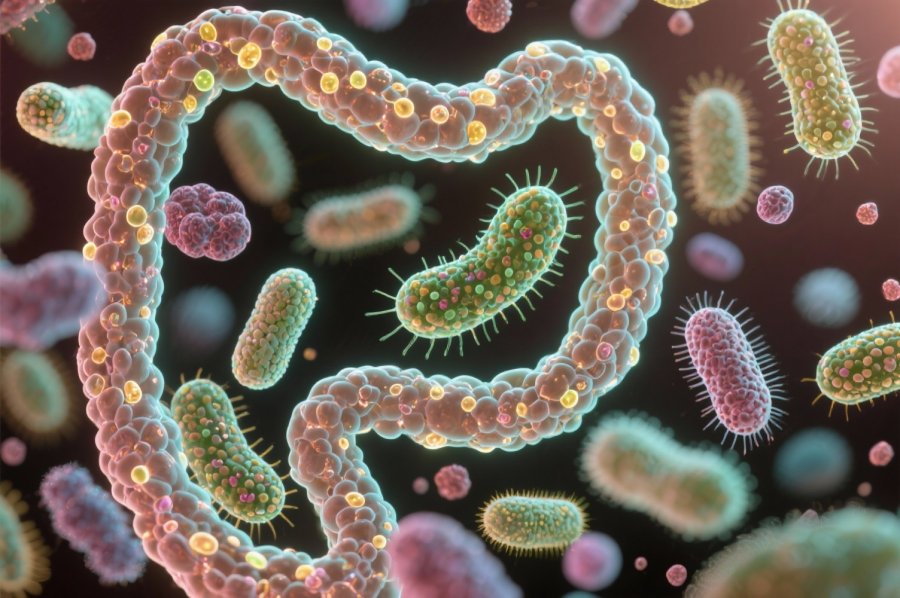
Probiotics can be a valuable ally during times of gut disruption, such as after illness, antibiotics, or periods of stress. Their main benefit is providing targeted support to help restore balance when the microbiome has been thrown off course. A short course—typically two to four weeks—of probiotic use, combined with a nutrient-rich diet, often speeds up recovery and helps your digestive system regain its resilience. Choosing the right strains, taking them consistently, and timing their use carefully can make a real difference in how quickly and effectively your gut bounces back.
However, probiotics aren’t a cure-all. Their benefits are often strain-specific and tend to be mild or temporary, especially for those with already healthy, balanced guts. For many, maintaining a diet rich in fermented foods and fiber can support gut health just as well, if not better, than daily supplementation. Relying on low-quality products or overdoing it with probiotics can lead to minor side effects like bloating or gas without delivering lasting benefits. That’s why selecting reputable brands with clear strain information and proper storage is essential to ensure you get what you pay for.
Natural foods such as yogurt, kefir, sauerkraut, and kimchi offer a practical, cost-effective way to support your microbiome. These foods provide diverse beneficial bacteria and essential nutrients, fostering a resilient gut environment over time. Pairing these with a diet filled with fruits, vegetables, and whole grains feeds your existing microbes, encouraging their growth and diversity. This approach creates a sustainable foundation for long-term gut health, reducing the need for continuous supplementation.
Using probiotics strategically during specific windows—like after antibiotics or during stressful periods—can help your microbiome recover faster. They work best when used intentionally rather than as a constant, lifelong fix. Once your digestion stabilizes, natural sources often suffice for maintaining your microbiome. Consistent habits, careful product selection, and an emphasis on whole foods strengthen your gut’s ability to handle future challenges, making probiotics a supportive tool rather than a crutch.
Supporting your gut health involves more than just popping pills; it’s about nurturing your microbiome through everyday choices. Incorporating fermented foods into your diet and focusing on a balanced, fiber-rich nutrition creates a resilient environment that sustains your overall well-being. When used thoughtfully, probiotics can help your gut stay adaptable and healthy, but they work best as part of a broader lifestyle that prioritizes long-term health. This balanced approach ensures your digestive system remains robust and ready to support you through whatever life throws your way.