Historically portrayed as a glamorous seductress, Cleopatra VII’s true legacy lies in her remarkable intellect, diplomatic skill, and strategic leadership. Far from Hollywood stereotypes, she was a multilingual scholar and a master of cultural diplomacy, leveraging her knowledge of Egyptian and Greek traditions to maintain Egypt’s independence amid Roman encroachment. Her political alliances with Julius Caesar and Mark Antony were carefully crafted strategies rooted in wisdom, not romance. Cleopatra’s patronage of Alexandria’s legendary library and her personal pursuits in philosophy, astronomy, and medicine cement her as a pioneer of knowledge and culture. Modern scholarship increasingly recognizes her as a resilient, intelligent leader who used her mind as her greatest weapon—challenging stereotypes of gender and power. As new insights emerge from archaeological and interdisciplinary research, her story continues to inspire, proving that true leadership is rooted in insight, resilience, and strategic influence, leaving a legacy far richer than superficial allure.
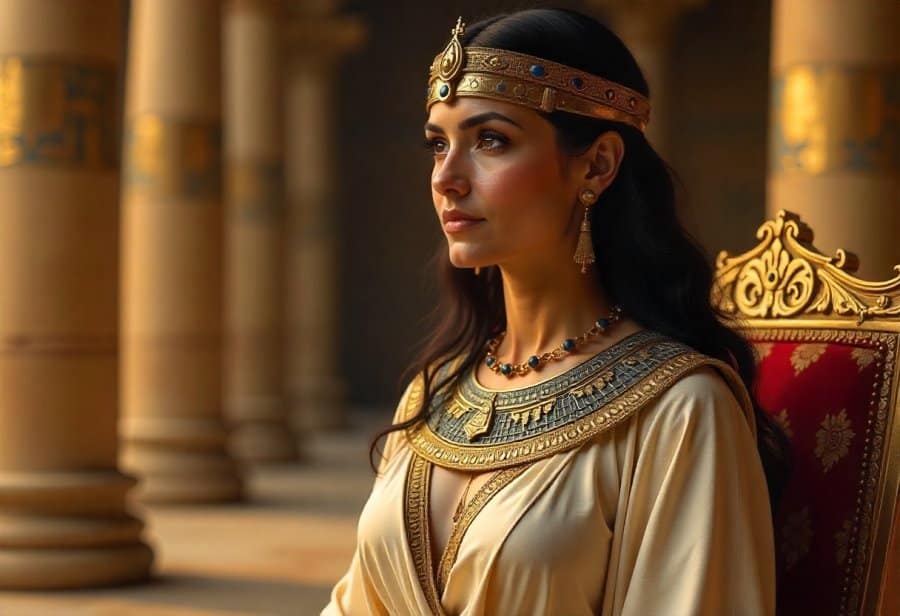
Unveiling Cleopatra’s True Power: Intelligence Over Glamour
Cleopatra VII is often remembered through images of Hollywood glamour—her beauty, exotic riches, and seductive allure. But beneath that legendary image lies a far more compelling story: one of a brilliant and strategic ruler whose true strength was her mind. As Egypt’s last pharaoh, Cleopatra’s legacy is rooted in her intelligence, political savvy, and mastery of diplomacy, not just her appearance. She understood that real power came from knowledge and strategic thinking, qualities she wielded with remarkable skill in a turbulent world.
What truly set Cleopatra apart was her sharp intellect. She was a scholar-queen who combined her education with a keen understanding of governance and culture. Fluent in multiple languages—Greek, Egyptian, Latin—she had the tools to communicate with diverse audiences and forge alliances across cultural boundaries. Her support for Alexandria’s legendary library and scholarly community reflected her belief that knowledge was a vital asset for leadership, not just a personal interest. She studied philosophy, astronomy, and medicine herself, turning her curiosity into a strategic advantage.
Her reputation as a formidable leader was built on her ability to think ahead and adapt quickly. Cleopatra mastered the art of cultural diplomacy, employing symbolism, religious authority, and clever alliances to reinforce her legitimacy. Her marriage to her brother Ptolemy XIII was a political move, but her real strength came from alliances with powerful figures like Julius Caesar and Mark Antony—carefully crafted strategies designed to secure Egypt’s independence and her own position.
Throughout her reign, Cleopatra balanced internal rivalries and external threats with finesse. She read political currents expertly, responding with resilience and resourcefulness. Her intelligence, combined with her deep understanding of Egyptian tradition and Greek culture, made her a master of both diplomacy and symbolism. Cleopatra knew that perception was just as important as reality in maintaining her authority, and she wielded her knowledge as her most powerful weapon.
This focus on her intellect over her glamour challenges the common myth and paints a nuanced picture of her leadership. Cleopatra’s legacy endures because she demonstrated that strength lies in wisdom, strategic thinking, and the ability to learn constantly. Her example reminds us that genuine leadership is rooted in understanding and insight—qualities that can leave a lasting mark, far beyond superficial appearances.
Navigating Turbulence: The Political Landscape of Cleopatra’s Reign
Cleopatra VII’s reign took place during one of Egypt’s most turbulent and transformative periods, from 51 BC until her death in 30 BC. She was a member of the Ptolemaic dynasty, a Greek family that took control of Egypt after the death of Alexander the Great, dividing his empire among his generals. Her Macedonian Greek heritage shaped much of her identity, but Cleopatra was also deeply rooted in Egyptian culture, language, and religious traditions. This duality allowed her to navigate a complex political landscape filled with internal rivalries and external threats with a unique blend of Greek sophistication and Egyptian tradition.
The Ptolemies had ruled Egypt for nearly three centuries by the time Cleopatra ascended the throne. To legitimize their authority, they adopted many Egyptian customs and religious practices, a strategy Cleopatra embraced fully. Her reign coincided with Egypt’s golden age of learning and commerce, centered around Alexandria, which housed the legendary Library of Alexandria. This city became a hub of scholarly activity, attracting thinkers, scientists, and artists from across the Mediterranean, helping Egypt maintain its reputation as a center of knowledge and culture.
Despite her Greek roots, Cleopatra sought to strengthen her legitimacy by immersing herself in Egyptian traditions. She was fluent in Egyptian, Greek, and Latin, and she promoted arts, sciences, and religious practices that resonated with her diverse subjects. Her scholarly upbringing was evident in her personal interests in philosophy, astronomy, and medicine. Her court’s support for Alexandria’s libraries and academies reflected her belief that knowledge was crucial for effective leadership, fostering a shared cultural identity among her people.
The political landscape of her time was dominated by the rising power of Rome, which was increasingly encroaching on Egyptian independence. Cleopatra’s diplomatic skill was tested as she navigated alliances, marriages, and negotiations to safeguard her throne and Egypt’s sovereignty. She masterfully balanced resistance and cooperation, forging strategic relationships with key Roman figures like Julius Caesar and Mark Antony. Her ability to adapt to shifting alliances was essential for her survival in a volatile world.
Internally, Cleopatra faced numerous challenges—court rivalries, succession disputes, and economic pressures. Her resilience and intelligence allowed her to manage her court’s factions with finesse. She understood that her authority depended not just on her inherited title but on her capacity to command respect through wise governance, religious authority, and cultural patronage. Her deep understanding of Greek and Egyptian traditions, combined with her education in philosophy and governance, made her a shrewd diplomat and a resilient leader who could adapt to changing circumstances.
Throughout her reign, Cleopatra’s mastery of geopolitics and her cultural diplomacy helped her sustain her power amid external threats and internal upheaval. Her ability to read political currents, forge alliances, and leverage her knowledge set her apart. Her leadership was rooted in resilience, strategic thinking, and a keen understanding of human nature—traits that ensured her legacy as a ruler who navigated chaos with intelligence and grace.
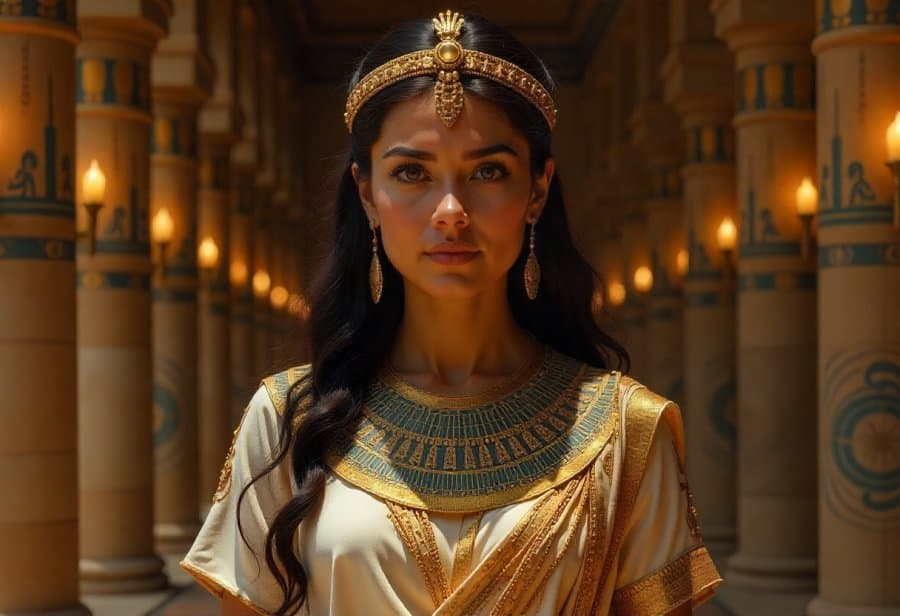
Mastering Diplomacy: Cleopatra’s Strategies for Maintaining Power
Cleopatra’s leadership was defined by her exceptional diplomatic skill and her talent for forging strategic alliances that ensured both her survival and Egypt’s stability. She understood early that power depended as much on perception and influence as on military might. To secure her throne, she employed marriage, negotiation, and cultural diplomacy, transforming potential threats into opportunities for alliance. Her marriage to her brother Ptolemy XIII was a calculated move to legitimize her claim, but her true mastery lay in cultivating alliances with figures like Julius Caesar and Mark Antony. These relationships weren’t based on personal affection alone; they were carefully crafted strategies designed to strengthen Egypt’s position and safeguard its independence.
Her approach to politics was multi-layered and shrewd. Cleopatra was adept at reading the shifting currents of power around her and adjusting her tactics accordingly. With Julius Caesar, she capitalized on her intelligence and persuasive skills to turn her exile into an opportunity, convincing him to support her claim and helping her regain her throne. Later, her alliance with Mark Antony followed a similar pattern—mutually beneficial, rooted in political calculation rather than romance. These partnerships extended beyond military support; they were about cultural influence, symbolism, and projecting strength through her understanding of perception and reputation.
Managing her court’s inner factions with finesse was another key aspect of her leadership. Cleopatra rewarded loyalty, kept rivals close, and used appointments and ceremonies to reinforce her authority. Every move was a calculated effort to maintain respect and stability. Her legitimacy was rooted not just in her inherited title but in her ability to govern wisely and embody divine authority through religious and cultural symbolism. Her court became a finely tuned machine, where each decision contributed to her resilience and influence.
Her Macedonian Greek heritage provided her with a foundation of strategic resilience and resilience, but her education in philosophy, languages, and sciences made her adaptable. She knew that a ruler’s strength came from assessing risks and opportunities quickly, using her knowledge and cultural diplomacy as tools. Her mastery of statecraft turned complex geopolitical challenges into opportunities for Egypt’s benefit, often transforming threats into strategic advantages.
Cultural diplomacy was central to her strategy. Cleopatra aligned herself with Egyptian gods and traditions, using religious symbolism and public rituals to reinforce her divine right to rule. She integrated Greek and Egyptian elements in her public image, creating a shared identity that united her diverse subjects and projected Egypt’s strength and sophistication outward. This blending of cultures helped her maintain social cohesion and loyalty, even amid external threats.
Throughout her reign, Cleopatra demonstrated that leadership rooted in knowledge and strategic influence could withstand external upheavals and internal rivalries. Her alliances with Rome’s powerful figures were crafted with precision, understanding that personal relationships could serve broader political goals. Her capacity to adapt, read her environment, and leverage her intelligence as her primary weapon made her a formidable ruler in a male-dominated world.
Her political maneuvers were aimed not just at immediate survival but at creating a lasting legacy. Every alliance, every diplomatic move, was part of a broader strategy to uphold her sovereignty and elevate Egypt’s stature. Her ability to turn internal disputes into sources of strength and external threats into opportunities shows a leader who prioritized wisdom over brute force, leaving a legacy rooted in strategic influence and cultural savvy.
Beyond the Throne: Cleopatra’s Cultural Renaissance and Scholarly Patronage
Cleopatra’s influence extended far beyond her political and diplomatic achievements; she played a pivotal role in shaping Egypt’s cultural landscape and reinforcing Alexandria’s reputation as a beacon of learning and innovation. Under her leadership, the city’s legendary Library of Alexandria continued to flourish, attracting scholars, scientists, poets, and philosophers from across the Mediterranean. Her patronage helped transform Alexandria into a vibrant hub where ideas, arts, and sciences intermingled, fostering an environment of curiosity and intellectual exchange.
Her support for Alexandria’s scholarly community was both strategic and genuine. Cleopatra understood that a thriving intellectual scene bolstered Egypt’s prestige and long-term stability. She championed the collection, translation, and dissemination of texts, creating a space where scientific research, philosophy, and literature could thrive. Her encouragement of astronomical and medical studies made Alexandria a magnet for innovation, reinforcing Egypt’s reputation as a center of knowledge and progress.
The queen’s personal passions for philosophy, astronomy, and literature were intertwined with her leadership style. She studied these disciplines herself and engaged directly with scholars, recognizing that knowledge was a vital tool for effective governance. Her court became a lively center of arts and sciences, inspiring her advisors and courtiers to prioritize education and scholarly pursuits. This dedication helped elevate Alexandria’s cultural standing, leaving a legacy that resonated long after her reign.
Cultural diplomacy was woven into Cleopatra’s leadership. She aligned herself with Egyptian gods and traditions, using religious symbolism and public ceremonies to reinforce her divine authority. Her seamless blending of Greek and Egyptian elements in rituals and art fostered social cohesion among her diverse subjects, uniting them through shared symbols of power and faith. This cultural fusion not only strengthened internal loyalty but also projected Egypt’s sophistication and resilience to outsiders.
Cleopatra’s legacy as a patron of knowledge is rooted in her recognition that culture and scholarship are vital sources of power. Her efforts transformed Alexandria into a symbol of enlightenment and progress, inspiring generations of thinkers and leaders. By valuing learning and fostering an environment of inquiry, she built a city whose influence extended well beyond her lifetime, establishing Egypt as a lasting center of scientific and cultural excellence.
Her impact endures as a testament to how leadership rooted in cultural stewardship and intellectual curiosity can shape history. Cleopatra proved that true power lies not only in political alliances or military might but also in the ability to inspire, nurture, and sustain a legacy of knowledge. Her example continues to remind us that fostering culture and scholarship is a strategic act of leadership that leaves an indelible mark on civilization.
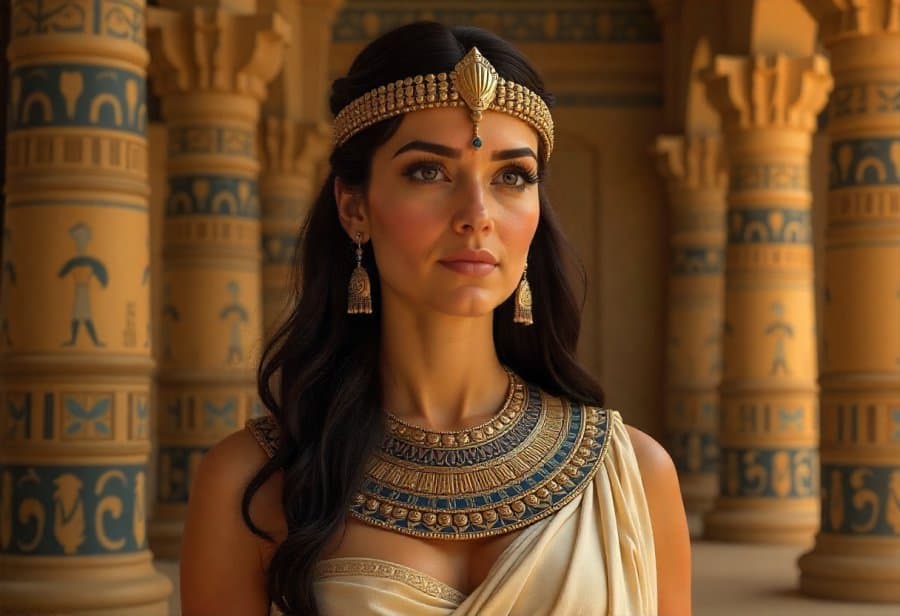
Reevaluating a Legend: Modern Perspectives on Cleopatra’s Intellectual Legacy
Modern scholars are increasingly challenging the traditional image of Cleopatra as a glamorous seductress, instead highlighting her as a highly strategic and intelligent leader. Recent research emphasizes her linguistic skills, diplomatic finesse, and dedication to learning, painting her as a ruler who relied on her intellect to navigate a complex geopolitical landscape. This shift in perspective moves away from Hollywood stereotypes, revealing her as a master of diplomacy and cultural influence whose true power stemmed from her mind rather than her appearance.
Contemporary historians are also delving deeper into her scholarly pursuits, emphasizing her role as a patron of Alexandria’s legendary library and scientific community. Cleopatra’s personal interest in philosophy, astronomy, and medicine underscores her belief that knowledge was essential for effective leadership. Her active engagement with scholars and scientists of her time reinforces her legacy as a ruler who valued education and innovation, transforming Egypt into a hub of intellectual excellence. This broader view celebrates her as a leader who used her intellectual strength to maintain her sovereignty and elevate her nation’s cultural prestige.
Her story has become a powerful symbol in ongoing discussions about women’s leadership. Cleopatra’s ability to wield intelligence, resilience, and diplomatic skill in a male-dominated world demonstrates that leadership depends on capability and strategic vision, not gender. Recognizing her as a pioneering female ruler challenges stereotypes and highlights the importance of diverse leadership styles, inspiring contemporary conversations about gender equality and women’s empowerment in positions of power.
Resilience continues to be a central theme in modern reassessments. Cleopatra’s skill in adapting her tactics to shifting alliances and external threats proves her capacity for strategic flexibility. Her alliances with Rome’s key figures, like Julius Caesar and Mark Antony, were rooted in careful calculation and broader political goals, not personal desire. These relationships exemplify her mastery of geopolitical diplomacy, her ability to turn threats into opportunities, and her enduring legacy as a leader who thrived through intelligence and adaptability.
As research advances, scholars anticipate uncovering new insights into her personal writings, correspondence, and archaeological remains. These discoveries promise to deepen our understanding of her inner thoughts, leadership philosophy, and scholarly pursuits. By integrating interdisciplinary approaches—combining history, gender studies, linguistics, and archaeology—future work will continue to challenge simplistic narratives, offering a nuanced portrait of Cleopatra as a ruler whose greatest strength was her mind. Her legacy endures as a testament to the power of intelligence, resilience, and strategic influence.