Dive into the electrifying world of underground street racing, where night-time battles unfold in shadowy urban landscapes fueled by adrenaline, loyalty, and relentless pursuit of speed. This culture transforms ordinary city streets into clandestine arenas of fierce competition and unwavering brotherhood, where trust and shared history forge bonds deeper than mere racing. From its humble roots rooted in spontaneous meets to a global phenomenon amplified by media and social platforms, the scene embodies rebellion, craftsmanship, and resilience. Cars are more than machines—they are symbols of identity and allegiance, each modification echoing pride and community. As authorities intensify their crackdown and technology advances, the scene evolves—embracing electric vehicles, digital diagnostics, and sanctioned events—balancing risk and safety. Despite these shifts, the core spirit persists: a relentless drive for freedom, self-expression, and kinship that sustains underground racing’s unbreakable culture into the future.
Discover the Hidden World of Underground Street Racing
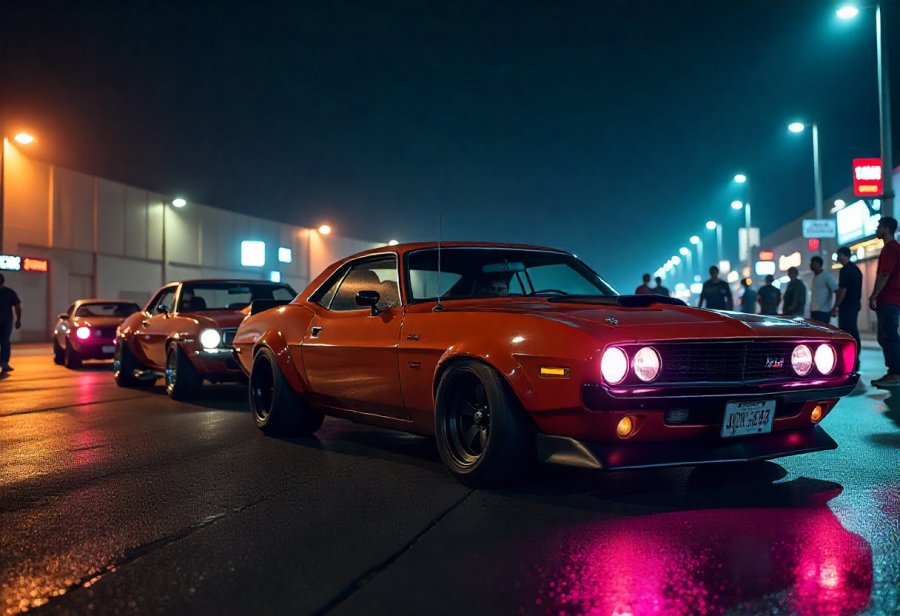
Underground street racing is a hidden world that exists quietly within the bustling fabric of city life. It’s where car enthusiasts gather after dark, transforming quiet streets and abandoned lots into clandestine racing arenas. These races happen away from the watchful eyes of law enforcement, often in industrial zones, parking garages, or deserted neighborhoods. The scene is driven by adrenaline, rebellion, and a desire to push both car and driver to their limits in real-world conditions that official tracks can’t replicate.
What makes this culture particularly compelling is how it turns everyday urban spaces into sites of intense competition and camaraderie. For many participants, it’s not just about speed—it’s about belonging to a community that shares their passion. These racers form tight-knit crews, built on trust and loyalty, where every member’s reputation is on the line. Their cars serve as more than transportation; they’re symbols of identity, painstakingly tuned and customized to stand out and perform.
Races are quick, fierce, and often organized on the fly, adding a layer of unpredictability. Drivers line up side by side, engines revving in anticipation, ready to launch into a high-speed burst that lasts mere seconds. Racing at night helps avoid police detection but also fosters an air of mystery and danger. The environment crackles with energy—engine roars, tires squeal, and the glow from modified headlights cuts through the darkness, creating a visual spectacle of speed and rebellion.
This scene isn’t just about raw power; it’s a form of cultural expression rooted in creativity and craftsmanship. Participants take pride in their car modifications—performance upgrades, custom paint jobs, decals, and unique details—each telling a story of effort and identity. Winning a race or having a well-tuned vehicle earns respect within the community, but the true reward lies in the sense of connection and status that comes with being part of this underground brotherhood.
Despite its risks, underground street racing continues to thrive because of its resilience and adaptability. It reflects a desire among urban youth to break free from conformity, channeling their energy into something that feels authentic and empowering. Even as authorities crack down and safety concerns grow, the scene persists through secret gatherings, shifting locations, and an unbreakable spirit of rebellion.
At its core, underground street racing is more than just a race—it’s a culture rooted in loyalty, creativity, and defiance. It transforms city streets into arenas of self-expression, where bonds formed in the shadows run deeper than speed. For many, it’s a way of life that embodies the thrill of competition and the unshakeable sense of kinship that keeps this underground community alive.
Tracing the Roots and Evolution of Street Racing
Underground street racing didn’t just appear out of nowhere; it has roots that stretch back several decades. In its earliest days, it was a spontaneous gathering of young car enthusiasts seeking the thrill of speed in hidden spots around the city—parking lots, quiet streets, or abandoned industrial sites. These meetups were informal, often organized through word of mouth or small crews, driven by curiosity and the desire for recognition among peers. There was no official oversight, just a shared passion for pushing limits in a raw, unregulated environment.
As the scene grew, so did the importance of car modification. Racers started tuning their vehicles—adding turbochargers, custom exhausts, suspension upgrades, and lightweight parts—to gain an edge. These modifications became symbols of craftsmanship and personal expression, turning cars into moving works of art that reflected their owners’ identity and skill. Custom paint jobs, decals, and unique touches transformed each vehicle into a badge of loyalty, fostering pride within the community.
Media played a significant role in shaping the mythos of street racing. Films like the Fast and Furious franchise glamorized the underground scene, portraying it as a rebellious world of speed, camaraderie, and defiance. Social media platforms amplified these stories, allowing racers to share videos of their runs, showcase their cars, and connect globally. Viral clips of night races and custom builds elevated street racing from a local pastime to an international phenomenon, blurring the lines between passion and entertainment.
With growth came increased scrutiny. Authorities cracked down harder, making spontaneous races riskier and pushing many events further into secrecy. Racers adapted by organizing more clandestine gatherings in remote locations—using encrypted communications and hidden meetups—to avoid detection. Despite these challenges, the community persisted, evolving from reckless meetups into semi-organized events with safety measures, reflecting a resilient spirit that refuses to be silenced.
Over time, the culture shifted from spontaneous meets to more organized clandestine events, often with a focus on safety and secrecy. This evolution allowed the scene to retain its rebellious core while attempting to reduce dangers. Some racers advocate for sanctioned street races held in controlled environments, blending the thrill of competition with a safer experience. This balance between rebellion and responsibility helps keep the scene alive and relevant.
Technological advances continue to influence the scene’s evolution. Smartphone apps for tuning and diagnostics make modifications more accessible, while electric vehicles introduce new possibilities for performance upgrades. These innovations are reshaping what it means to modify a street car, driving the scene toward a future where high-tech and rebellion coexist, challenging traditional notions of speed and identity.
Despite increasing legal pressures and safety concerns, underground street racing remains deeply rooted in its history of rebellion and innovation. The community’s ability to adapt—whether through secret meets, digital coordination, or semi-legitimate events—ensures its resilience. The roots of this culture are embedded in a desire for freedom, self-expression, and brotherhood, making it a lasting symbol of urban youth’s defiance and passion for speed.
Unveiling the Bonds That Forge the Racing Brotherhood
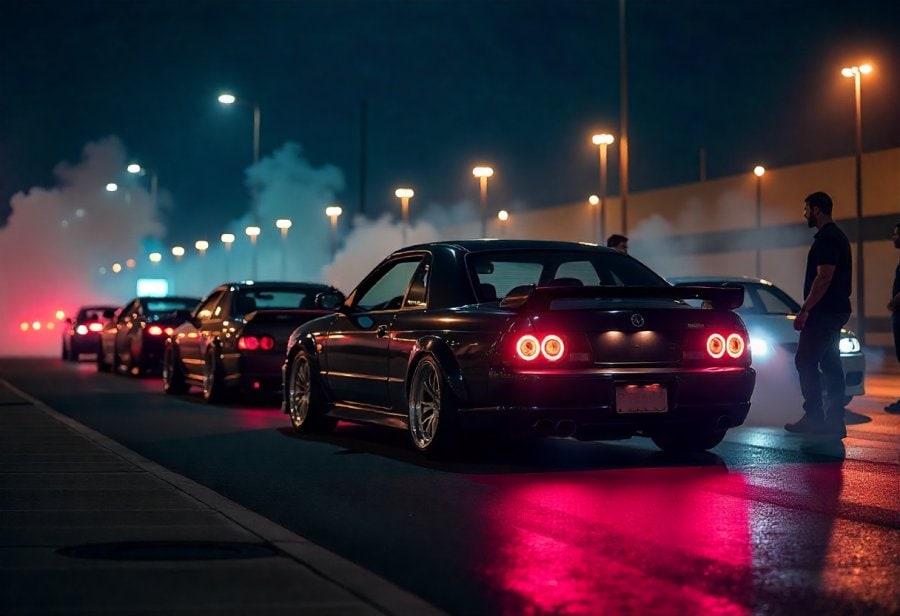
At the core of underground street racing is a bond that runs far deeper than the thrill of speed. These communities are built on trust and loyalty, forming a kinship that feels more like family than just a group of drivers. When racers line up for a night run, they’re placing their safety and reputation in each other’s hands. That mutual reliance creates a brotherhood rooted in shared courage, where every race becomes a testament to loyalty.
This sense of kinship is reinforced through countless shared experiences—pushing cars to their limits, navigating risky locations, and weathering close calls together. These moments forge bonds that can last a lifetime, transforming fleeting adrenaline into a solid foundation of trust. Drivers know they’re risking a lot, and that trust becomes the glue that keeps the community tight, even in the face of danger.
Unwritten rules shape interactions within the scene, fostering respect and protecting the community’s secrecy. Racers learn to guard each other’s secrets, respect the locations they race in, and look out for one another during events. These customs aren’t formal policies but passed down through stories, creating a shared understanding that reinforces loyalty. This culture of discretion helps keep the scene alive and connected despite external threats.
Cars are more than just vehicles; they are symbols of allegiance. Custom paint jobs, decals, and personalized touches aren’t purely aesthetic—they’re badges of loyalty and pride. When a vehicle bears a crew’s insignia or unique design, it signals belonging and collective effort. These cars tell stories of craftsmanship and shared identity, turning machines into moving symbols of brotherhood.
Night races deepen these bonds, as darkness fosters a trust that’s built on support and shared risk. Crews cheer from the sidelines and support each other through the adrenaline rush, turning individual efforts into a collective experience. These moments forge a sense of unity that sustains the scene, even amid legal threats and safety concerns.
Loyalty isn’t just a value; it’s the foundation that keeps the underground racing community strong. It fuels a culture where friendship and mutual support matter as much as the race itself. This unbreakable kinship transforms fleeting moments of speed into lifelong bonds, creating a resilient brotherhood that endures beyond the streets.
Living the Culture: Personal Stories and Community Insights
Many racers see underground street racing as more than just a thrill—it’s a way of life that shapes their identity and sense of belonging. For some, it’s about proving their skill and pushing their cars’ limits, turning hours of tuning and customization into personal achievements. Others describe racing as an escape from routine, a space where they can feel free and in control. These stories reveal that the scene is driven not only by speed but also by a deep desire for recognition and self-expression. The camaraderie built during late-night meets and high-stakes races often becomes a core part of their lives, forging friendships that go beyond the streets and last for years.
Personal accounts highlight how much the culture impacts individual confidence and growth. Drivers often recall moments when a tough race or a successful modification gave them a sense of pride they couldn’t find elsewhere. Many share stories of nights spent tinkering in garages, learning from crew members, and celebrating small victories. These experiences foster a deep connection to their cars and crews, creating a shared sense of achievement. The bonds formed through these shared efforts often turn into lifelong friendships rooted in loyalty and mutual respect, turning the scene into a surrogate family.
For many participants, street racing is also about community. Racers frequently talk about the support they get from their crews—whether it’s helping with repairs, sharing tips, or just cheering each other on during races. These moments of unity generate a sense of belonging that’s often missing in other social settings. Even when legal threats or accidents arise, the community’s loyalty keeps them connected, providing a safety net that extends beyond the race itself. This support system helps racers stay committed, knowing they’re part of something bigger than just the next race.
The scene’s visual language of modifications plays a big role in shaping personal identities. Custom paint jobs, decals, and personalized touches become symbols of loyalty and pride. Each car becomes a moving story—showcasing effort, dedication, and the collective effort of crews. When a vehicle bears a crew’s insignia or unique design, it’s more than just a machine; it’s a badge of brotherhood. These vehicles serve as symbols of shared effort, craftsmanship, and trust, reinforcing the deep bonds that keep the community strong.
Despite the risks and the illegal nature of many activities, racers emphasize that their involvement is about more than just speed. It’s about the relationships they’ve built, the skills they’ve gained, and the sense of family that keeps them returning night after night. Their stories show a culture rooted in loyalty, resilience, and shared passion. For those involved, underground street racing isn’t just a hobby—it’s an essential part of who they are, a community that supports and sustains them through the highs and lows of urban life.
The Road Ahead: Challenges and Opportunities for Underground Racing
The future of underground street racing is poised for significant change, driven by technological innovation and mounting legal pressures. New tools like smartphone apps for tuning and diagnostics are making it easier for racers to push their cars further, blending performance upgrades with convenience. Electric vehicles are starting to make their mark in the scene, offering fresh opportunities for modification and high-speed performance that challenge traditional combustion engines. These advancements could reshape how cars are customized and raced, attracting a new generation of enthusiasts eager to experiment with cutting-edge tech while staying connected to the culture’s roots.
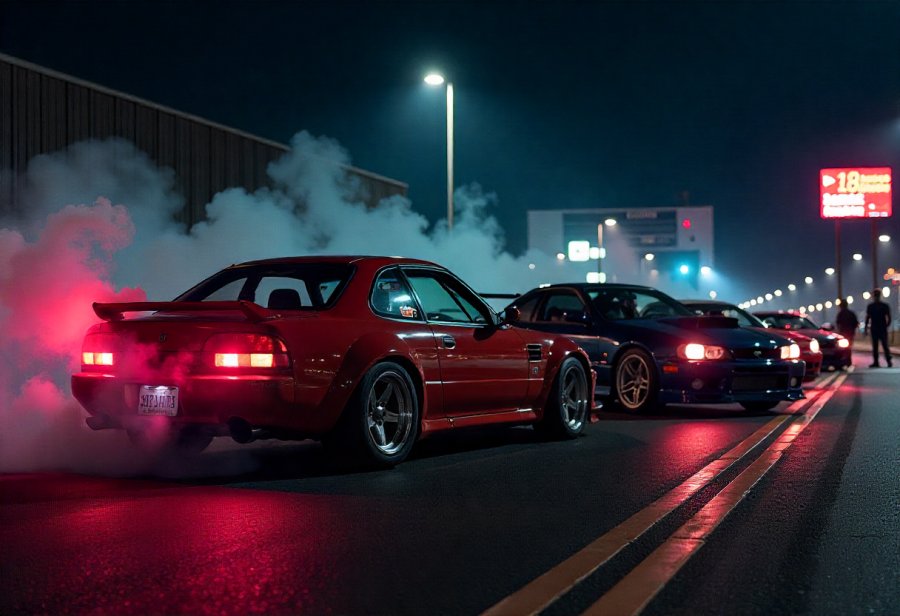
At the same time, authorities are intensifying their efforts to curb illegal racing, tightening regulations and deploying more sophisticated enforcement. This creates a constant game of cat and mouse, pushing many underground events into even more secretive locations and prompting racers to develop encrypted communication channels and hidden meetups. While these pressures threaten the visibility of the scene, they also foster a sense of resilience and ingenuity among participants, who adapt their organization methods to keep the culture alive behind the scenes.
Some racers see the evolution as an opportunity to shift toward safer, semi-legitimate events. Organizing sanctioned street races or controlled gatherings could maintain the thrill and camaraderie while reducing dangers and legal risks. These events might serve as stepping stones, allowing the community to preserve its core values of brotherhood and competition in a more responsible framework. Such changes could broaden the scene’s appeal, inviting newcomers who seek excitement without the shadow of danger hanging over every race.
Emerging technologies like digital telemetry and augmented reality displays are beginning to influence how racers compete and connect. These tools enhance driver awareness and safety, making clandestine racing more precise and controlled. Electric and hybrid cars bring new performance possibilities, enticing enthusiasts to innovate while still honoring the scene’s tradition of customization and loyalty. This blending of old-school rebellion with new tech creates a hybrid landscape that honors the past while embracing the future.
However, these shifts also bring internal divisions. Some will gravitate toward safer, more organized events, while others will double down on secrecy, using encrypted networks to keep their races hidden. This duality could lead to a scene that coexists in both legal and illegal spaces, each feeding off the energy and passion of the other. The resilience of underground racing will depend on how well it balances the desire for freedom with the need for safety and legality, shaping a new identity that still values loyalty, brotherhood, and innovation.
Despite the challenges, the core spirit of underground street racing remains strong. It’s rooted in a deep desire for self-expression, rebellion, and community—values that continue to resonate across generations. As long as the culture evolves without losing sight of these fundamentals, underground racing will persist, driven by the unwavering bonds of kinship and the relentless pursuit of speed. In this way, the scene will continue to adapt and thrive, forging new chapters while holding tightly to its rebellious heart.