Step back into the roaring golden age of American muscle cars with the 1970 Chevelle SS 454, an icon of raw power and bold style. This beast on wheels was more than transportation; it was a statement of rebellion, freedom, and daring, embodying a period when horsepower reigned supreme. From its aggressive stance and striking Hugger Orange paint to the thunderous roar of its 454 V8 engine, every detail exudes performance and attitude. Yet, beyond its eye-catching design, the Chevelle SS 454 became a cultural symbol, inspiring nostalgia and admiration that persist today. Its legacy influences modern restorations and performance cars, blending vintage aesthetics with contemporary technology. As enthusiasts continue to preserve and celebrate this legend, one question remains: can any modern muscle car match the enduring spirit and excitement that made the Chevelle SS 454 a true American icon?
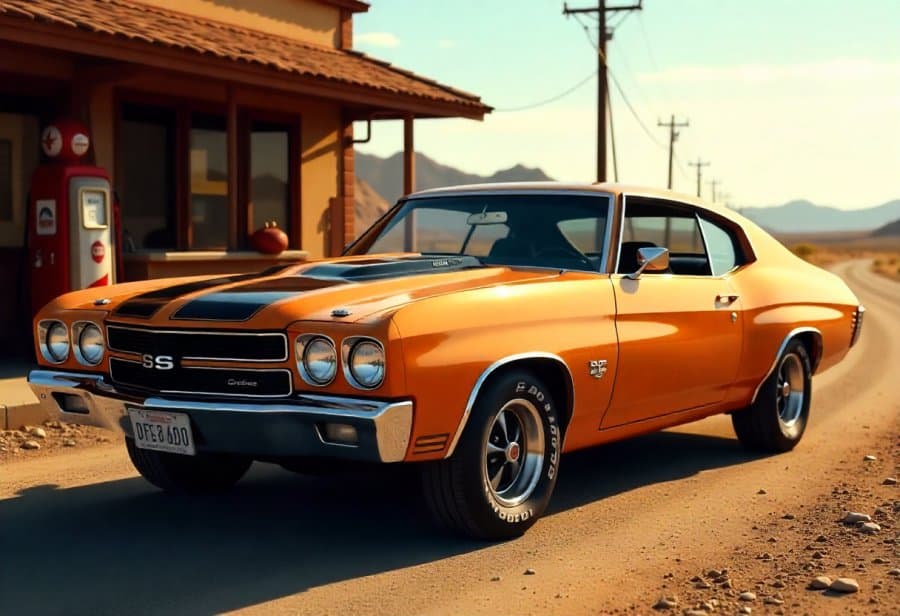
The Iconic Presence of the 1970 Chevelle SS 454: Power and Style Unleashed
The 1970 Chevelle SS 454 stands as a standout icon of American muscle car history, capturing the spirit of an era defined by raw power and bold design. Its presence on the street wasn’t just about getting from point A to B; it was a statement of attitude and dominance. With its muscular lines, aggressive stance, and signature cowl-induction hood, the car exuded an unapologetic swagger that demanded attention. Bright colors like Hugger Orange and racing stripes made sure it was impossible to overlook, whether cruising the highway or parked at a car show.
Underneath its striking exterior, this machine was built to thrill. The 454 cubic inch (7.4-liter) V8 engine produced around 360 horsepower and over 500 pound-feet of torque—enough to turn heads and shake windows. The thunderous roar of its engine wasn’t just noise; it was a visceral experience that embodied power and performance. Paired with a heavy-duty transmission and performance suspension, the Chevelle SS 454 delivered an adrenaline rush that went beyond straight-line speed, offering a driving experience packed with excitement.
Design-wise, the Chevelle SS 454 embodies the rebellion of muscle cars. Its muscular contours, wide stance, and black accents evoke a sense of purpose and strength. The cowl-induction hood isn’t just a styling feature; it improves airflow to the engine, helping it breathe better and perform at its peak. Every detail, from badging to chrome trim, signals its high-performance pedigree. This was a car designed not only to look aggressive but to deliver on the promise of high-speed performance.
More than just a car, the Chevelle SS 454 became a cultural symbol of freedom and daring. During a time when American roads were open and possibilities endless, this muscle car embodied youthful energy and a desire to push limits. It captured the imagination of enthusiasts and casual observers alike, representing a period when horsepower was king and roads were the stage for daring adventures. Today, it remains a treasured piece of American muscle car heritage, inspiring restorations and admiration worldwide.
Decades later, the legacy of the 1970 Chevelle SS 454 still roars to life. Its iconic look and legendary engine continue to inspire car enthusiasts, collectors, and builders. Whether in restored form or as a modern homage, this muscle car’s spirit endures. It’s more than just a vintage vehicle; it’s a symbol of American ingenuity, rebellion, and the pursuit of raw performance—and it shows no signs of fading into the background.
Muscle Car Nostalgia: How the Chevelle SS Became an American Legend
The 1970s Chevrolet SS didn’t just turn heads on the street; it became a powerful symbol of American muscle car culture and nostalgia that still resonates today. Its thunderous engine, aggressive styling, and rebellious attitude evoke a sense of freedom and individuality that enthusiasts continue to chase. For many, owning or simply observing a vintage Chevelle SS transports them back to an era when cars weren’t just transportation but statements of daring and personal expression.
This period marked a time when muscle cars embodied youthful energy and a desire to stand out. The sound of a big-block V8 roaring, the gleam of racing stripes, and the muscular stance of these cars helped forge a collective identity rooted in rebellion and daring. The Chevelle SS, with its legendary engine and striking design, became a staple in pop culture, movies, and music that celebrated freedom and attitude, embedding itself into the fabric of American iconography.
Nostalgia plays a significant role in maintaining the car’s cultural impact. For enthusiasts and collectors, owning or seeing a vintage Chevelle SS is like reconnecting with a golden age of automotive daring. The roar of its engine, the shine of polished chrome, and the vibrant paint jobs evoke memories of street races, weekend car meets, and a vibrant community built around muscle cars. This shared passion keeps the spirit of the era alive, transforming these vehicles into treasured collectibles that grow more valuable over time.
Beyond nostalgia, the Chevelle SS’s influence extends into modern design and customization. Restorers and builders often incorporate its bold aesthetics—like the cowl-induction hood and racing stripes—into contemporary projects. These elements have become visual shorthand for power and rebellion, ensuring the legacy of the muscle car’s golden age endures. Automakers, too, draw inspiration from its muscular lines, blending vintage cues with modern performance to keep the spirit alive.
Media and popular culture continue to reinforce its legendary status. Movies, TV shows, and music often feature these cars as symbols of rebellion, freedom, and daring. Car shows and collector markets celebrate meticulously restored models, with high-value sales reflecting their enduring desirability. Enthusiast communities and restoration efforts play a vital role in preserving this heritage, ensuring these machines aren’t just static relics but living symbols of American automotive daring.
Restorations and community dedication have kept the Chevelle SS relevant. They breathe new life into these classics, often adding modern upgrades while maintaining vintage charm. This ongoing effort fosters a sense of continuity, inspiring new generations to appreciate its history and performance. The car’s cultural footprint continues to grow, fueled by passionate collectors and enthusiasts who see it as more than just a vehicle—it’s a legacy of American ingenuity and daring.
Despite the passing decades, the 1970s Chevrolet SS remains a potent symbol of muscle car nostalgia. Its design, sound, and performance continue to inspire, reminding us of a time when horsepower and rebellion reigned supreme. As the stories and stories surrounding these cars expand, so does their legend—ensuring that the roar of the Chevelle SS will echo through the automotive world for many years to come.
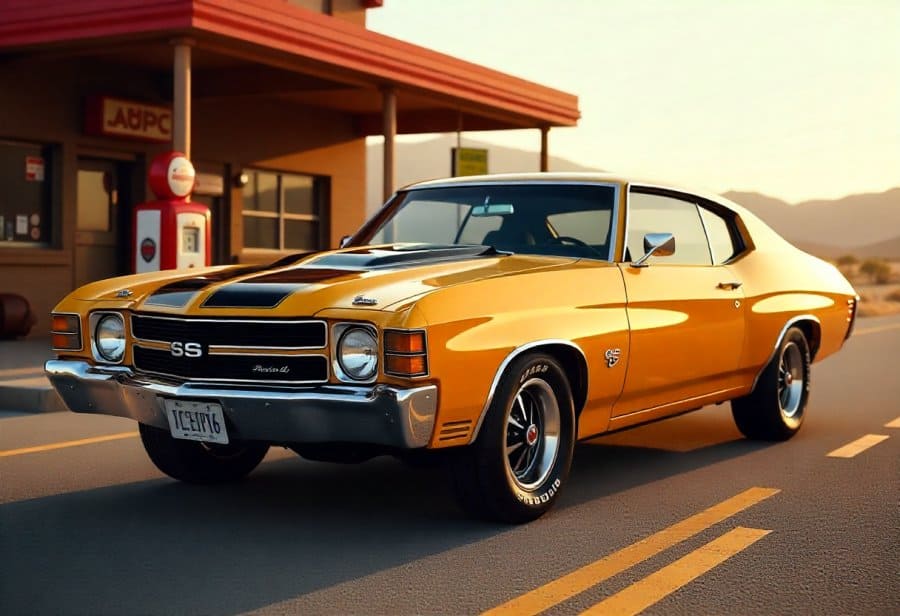
The Golden Age of Muscle Cars: Fuel, Fury, and Freedom
The golden age of muscle cars in the 1960s and early 1970s was driven by a unique mix of cultural enthusiasm and economic prosperity that created the perfect environment for these powerful machines to flourish. During this time, a youthful spirit of rebellion and freedom swept across America, inspiring a generation to seek personal expression through speed, style, and performance. Automakers responded by pushing engineering boundaries, turning everyday cars into bold statements of daring and individuality. The streets became battlegrounds for horsepower wars, with models that weren’t just transportation but icons of attitude.
At the same time, a booming economy made high-performance vehicles more accessible to a broader audience. More Americans could afford to buy these raw powerhouses, fueling a market fueled by the thrill of speed, status, and personal identity. Muscle cars like the Pontiac GTO, Ford Mustang, and Chevrolet Camaro emerged as symbols of youthful energy and daring. Their aggressive looks and thunderous engines captured the imagination of millions, turning roads into stages for daring escapades and weekend races. This era’s enthusiasm was fueled by media coverage, movies, and music that celebrated freedom, rebellion, and the pursuit of adrenaline.
Fierce competition among automakers spurred rapid innovation. Each brand sought to outdo the others with bigger engines, sleeker designs, and innovative features. The Chevrolet Chevelle SS 454 exemplified this drive, boasting a massive 454-cubic-inch engine and an unapologetically muscular silhouette. These cars balanced brute strength with style, embodying the spirit of American ingenuity and daring. While some models leaned into flashiness, others, like the Chevelle, prioritized straightforward performance, resonating deeply with enthusiasts seeking pure, unfiltered power.
However, by the early 1970s, the muscle car boom faced significant challenges. Stricter emissions regulations, rising fuel prices, and higher insurance costs started to curb their appeal. Consumer tastes shifted toward more practical, fuel-efficient vehicles, signaling a decline in muscle car dominance. Yet, the impact of this era persisted, shaping future automotive design and fueling a passionate community of restorers and collectors. The legacy of the muscle car era remains a testament to American daring and innovation, inspiring new generations to appreciate the raw power and bold style that defined it.
Despite the setbacks, the cultural significance of muscle cars endured. They became more than just vehicles—they embodied a rebellious attitude and a desire for freedom that resonated across generations. Their legendary roar and muscular lines continue to symbolize a time when performance and personal expression went hand in hand. The golden age of muscle cars remains a high point in automotive history, a period when cars were about making a statement as much as they were about getting from one place to another. Their legacy lives on, inspiring enthusiasts and shaping the future of American muscle.
Modern Influence: How the 1970 Chevelle SS Shaped Today’s Car Culture
The influence of the 1970 Chevelle SS extends far beyond its original era, shaping modern car culture and design in subtle yet powerful ways. Its bold, muscular aesthetic continues to inspire restorations and custom builds, with enthusiasts blending vintage styling cues like the cowl-induction hood and racing stripes into contemporary projects. These elements have become staples in today’s muscle car scene, serving as visual shorthand for raw power and rebellious spirit. Car owners and builders often seek to preserve or recreate its iconic look, ensuring that its legacy remains alive in every new interpretation.
Beyond aesthetics, the Chevelle SS’s legacy influences engineering and performance standards in today’s high-performance vehicles. Its emphasis on combining style with power set a benchmark that modern muscle cars still aspire to. The raw, straightforward power of its big-block engine and its no-nonsense attitude continue to resonate with enthusiasts, inspiring cars that prioritize muscle, sound, and presence. Today’s performance machines often draw inspiration from this era, blending vintage cues with contemporary technology to evoke the same daring spirit.
Car shows, collector markets, and media often celebrate the Chevelle SS as a cornerstone of American automotive history. Restored models, maintained meticulously and frequently upgraded, demonstrate how its design and ethos adapt to modern standards. The rising interest in reproduction parts and restoration kits reflects a dedicated community committed to authenticity. Their work keeps the car’s story relevant, allowing new generations to experience its power and style firsthand. This ongoing passion fuels a vibrant market and a shared cultural appreciation for the car’s enduring appeal.
The iconic look of the Chevelle SS also influences branding and marketing within the automotive industry. Its muscular stance, racing stripes, and cowl-induction hood have become benchmarks for muscle car aesthetics. Automakers often evoke its legacy when designing new models or limited editions, knowing that the nostalgic power of this classic still commands attention. This reverence helps keep the spirit of the muscle car era alive, bridging past and present in a seamless celebration of American performance.
Restoration trends and high-value sales underline the Chevelle SS’s lasting significance. Well-preserved or expertly restored models continue to fetch premium prices, reflecting their cultural and performance importance. As new enthusiasts discover its raw power and bold style, the car’s legend only grows. Its influence isn’t confined to the garage or showroom; it shapes the way modern muscle cars are imagined, built, and loved. The 1970 Chevelle SS remains a symbol of American daring, inspiring a new generation to embrace the same fearless pursuit of performance and style.
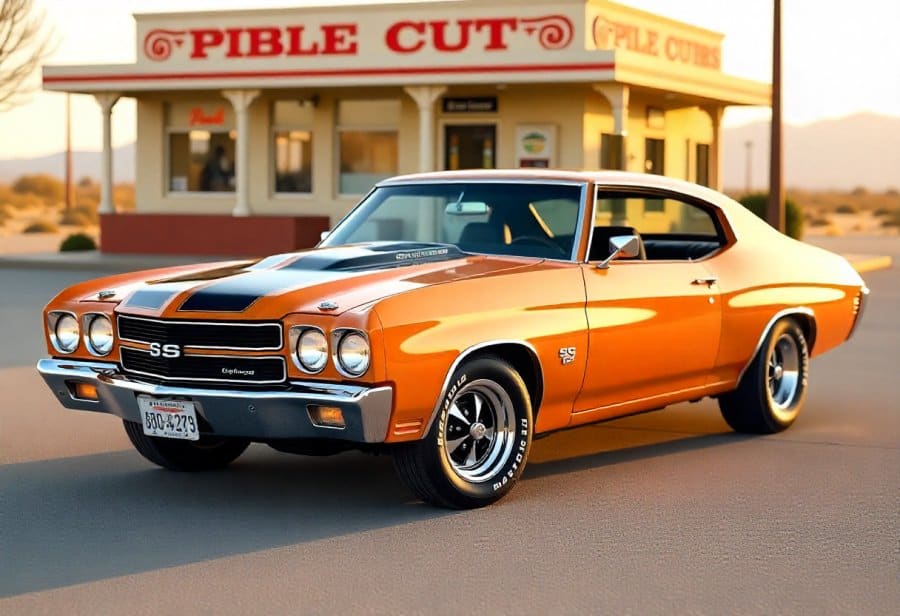
The Enduring Power of the 1970 Chevelle SS: A Timeless Symbol of American Daring
The 1970 Chevelle SS 454 remains a powerful symbol of American muscle car culture, transcending its original era to continue inspiring enthusiasts today. Its bold design and thunderous engine capture the daring spirit of a time when cars were more than mere transportation—they were expressions of freedom, attitude, and individuality. This enduring appeal keeps its legacy alive, fueling admiration at car shows, in private collections, and within the broader automotive community.
What makes the Chevelle SS truly timeless is its ability to evoke deep emotions. The visceral sound of its big-block V8, combined with its muscular stance and eye-catching aesthetics, creates an experience that still resonates strongly. For many, owning or simply recalling this car offers a nostalgic connection to a period when horsepower and rebellion reigned supreme. Its presence in movies, music, and pop culture cements its status as more than just a vehicle—it’s an icon that embodies American daring and innovation.
Restorations and community efforts have played a vital role in preserving the Chevelle SS’s relevance. Enthusiasts dedicate time and resources to bring these cars back to life, often blending modern upgrades with vintage authenticity. This passion ensures that the legend continues to thrive, inspiring new generations to appreciate the raw power and bold style that define the muscle car era. Each restored model adds to the tapestry of its story, keeping its spirit vibrant and accessible.
The influence of the Chevelle SS extends into contemporary automotive design and marketing. Its iconic elements—such as the racing stripes, cowl-induction hood, and muscular lines—have become benchmarks in the muscle car aesthetic. Automakers frequently draw from its legacy, creating new models that evoke its daring attitude while incorporating modern technology. This blending of old and new sustains the cultural relevance and emotional appeal of the muscle car.
Market interest and collector enthusiasm further underscore the Chevelle SS’s lasting significance. High-quality restorations and well-maintained originals fetch premium prices, reflecting both their performance pedigree and cultural importance. These vehicles are more than collectibles; they are symbols of American ingenuity, daring, and the pursuit of adrenaline. As new fans discover their power and style, the legend of the Chevelle SS continues to grow, inspiring future generations.
In the end, the 1970 Chevelle SS’s power lies not just in its engine but in its ability to embody a rebellious attitude that endures. It stands as a testament to American daring, innovation, and the timeless appeal of muscle cars. Its roar, style, and spirit remain relevant, ensuring that this icon’s influence will echo in the automotive world for years to come. The legacy of the Chevelle SS is alive—an unfiltered, unstoppable force that continues to inspire and excite.