In an era where reliable communication underpins competitive success, the evolution of business phone services is reshaping how companies connect and thrive. Is traditional landline technology still relevant, or are modern VoIP and cloud-based platforms the true drivers of efficiency and professionalism? This compelling shift offers unprecedented cost savings, scalability, and seamless integration with remote and hybrid work models. Advanced features such as auto-attendants, smart call routing, and mobile connectivity enhance customer experience and internal collaboration, fostering a resilient, professional image. But as technology advances rapidly, how will future innovations like AI, 5G, and enhanced security redefine the landscape? Will organizations that embrace these changes gain a strategic edge in an increasingly digital marketplace, or risk falling behind? This evolving landscape promises smarter, more agile communication ecosystems—yet the challenge remains: how to leverage these tools without compromising security, simplicity, or service quality.
Enhance Your Business Communication with Reliable Phone Service for Business in Canada
Looking for top-notch phone service for business in Canada? FiberConX Communications specializes in VoIP and IP business phone services designed to streamline your company’s communication needs. Our solutions feature advanced functionalities such as voicemail, IVR (Interactive Voice Response), Ring Groups, and voicemail-to-mail, ensuring you stay connected and professional at all times. Whether you’re managing customer inquiries or internal calls, our services provide flexibility and reliability. For more information or to get started, contact us at [email protected] or call 1.416.945.9210. Elevate your business communication today with FiberConX!
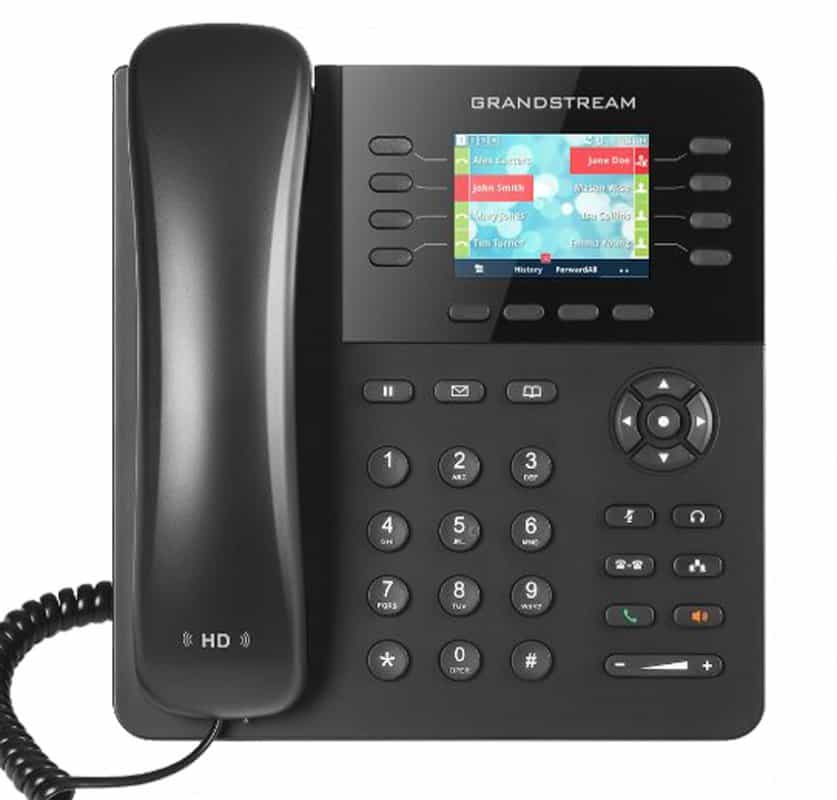
Connecting Business Success: The Power of Reliable Communication Technologies
In today’s fast-moving business landscape, staying connected isn’t just a convenience—it’s a necessity. Reliable communication channels ensure smooth operations, whether it’s serving customers, coordinating teams, or managing logistics. When communication breaks down, the consequences can be costly: missed opportunities, frustrated clients, and even revenue losses. Investing in dependable systems isn’t just a technical upgrade; it’s a strategic move to keep your business competitive.
Over the years, the way companies communicate has shifted dramatically. Traditional landline phones, once the backbone of business contact, served well enough but had clear limitations. They lacked flexibility, scalability, and integration with modern tools. As businesses expanded, relying on complex PBX systems that depended on physical hardware became increasingly cumbersome and expensive. These older systems simply couldn’t keep pace with the demands of today’s dynamic environment.
The rise of internet-based communication, especially Voice over Internet Protocol (VoIP), revolutionized the landscape. VoIP converts voice calls into digital data that travels over the internet, offering a solution that’s more adaptable and cost-effective. Features like voicemail-to-email, call forwarding, video conferencing, and mobile app integration make it easier for teams to stay connected from anywhere. This shift has made remote and hybrid work not just possible, but seamless.
Modern business phone services also elevate professionalism. Features like auto-attendants and smart call routing create a polished experience for callers, projecting a credible, established image. This consistency builds trust and enhances customer satisfaction—crucial factors in today’s competitive market. Plus, cloud-based systems allow for effortless scalability, enabling businesses to add or remove lines as needed without costly hardware updates.
With the increasing adoption of remote work, flexible communication solutions have become essential. Cloud platforms empower employees to connect from any location, maintaining high-quality communication whether they’re in the office, at home, or on the road. As networks like 5G expand, the speed and reliability of these connections will only improve, further embedding these tools into everyday business operations. In this evolving landscape, reliable communication remains at the core of business success.
Unlocking Growth: The Benefits of Modern Business Phone Systems
Modern business phone services deliver clear, tangible advantages that can significantly transform daily operations. One of the most immediate benefits is cost savings. Switching to VoIP and cloud-based systems cuts down on expensive hardware and ongoing maintenance costs. Calls made over the internet, especially long-distance and international ones, tend to be much cheaper than traditional landlines, freeing up budget for growth initiatives like marketing or product development.
Scalability is another major advantage. As your business expands or experiences seasonal fluctuations, adjusting communication lines and features becomes quick and effortless. Unlike traditional setups that require physical hardware upgrades, cloud-based platforms let you add or remove lines with just a few clicks. This flexibility allows your company to respond swiftly to market changes without the hassle or expense of overhauling your entire system.
Security is critical, particularly for organizations that handle sensitive data. Modern phone systems often include encryption, secure data storage, and multi-factor authentication, making it easier to meet industry regulations and protect customer trust. These features help prevent breaches and legal issues, giving you peace of mind that your communication infrastructure is secure and compliant.
Professionalism is elevated through features like auto-attendants and smart call routing. These tools ensure callers are greeted with a polished message and directed efficiently to the right person or department. Such seamless experiences not only enhance your brand image but also improve customer satisfaction and loyalty. Even small businesses can project the appearance of a larger, more established organization by leveraging these sophisticated features.
The integration of mobile technology further boosts value. Employees can stay connected via smartphone apps or remote desk phones, enabling seamless communication from anywhere. This mobility supports remote work and quick responses, fostering collaboration and productivity across dispersed teams without compromising on service quality. It’s a vital advantage in today’s flexible work environment.
Cloud-based platforms also strengthen disaster recovery and business continuity. If hardware fails or an office becomes inaccessible, calls and data can automatically reroute to mobile devices or backup locations. This resilience minimizes downtime, ensuring that your critical communication channels remain open and your operations stay on track, regardless of unforeseen disruptions.
In summary, modern business phone services are far more than just call management tools. They create a secure, scalable, and professional communication ecosystem that helps organizations operate more efficiently, serve customers better, and adapt to changing needs. Investing in these systems is a strategic move toward long-term growth and resilience in an increasingly competitive landscape.

Transforming Engagement: The Current Landscape of Business Communication
Today’s business landscape is increasingly shaped by the rapid adoption of modern communication systems. More companies than ever are replacing traditional landlines with VoIP and cloud-based platforms, driven by the promise of lower costs, greater flexibility, and easier management. This shift isn’t just a trend; it’s becoming the standard across industries, supporting features that enhance both customer service and internal collaboration.
The move toward remote and hybrid work models has accelerated this transition. Cloud-based systems enable employees to connect from anywhere—whether at home, on the road, or in the office—without sacrificing call quality or responsiveness. This flexibility is vital in today’s fast-paced environment, allowing teams to stay connected and productive regardless of their physical location.
Integration plays a key role in the current landscape. Many providers offer plug-and-play solutions that seamlessly connect with existing tools like CRM or ERP systems. This interoperability streamlines workflows, giving teams a unified view of customer interactions and enabling faster, more personalized service. Managing communications from a single dashboard simplifies operations and boosts efficiency across the board.
Security remains a top priority for organizations adopting these new systems. Modern platforms incorporate encryption, secure data storage, and multi-factor authentication, ensuring that sensitive information stays protected. For sectors such as healthcare, finance, and legal services, these features are essential for compliance and maintaining client trust. They provide peace of mind without adding complexity or hindering performance.
Innovation continues to drive the evolution of business phone services. Features like auto-attendants, intelligent call routing, mobile apps, and unified communication tools are now commonplace. Emerging technologies such as AI-powered analytics and virtual assistants further enhance these platforms, making interactions smarter, more proactive, and more responsive to customer needs.
Overall, the current market reflects a clear shift toward more agile, resilient, and customer-centric communication strategies. Companies that leverage these advanced systems not only improve internal workflows but also create a more professional and reliable image for their customers. As technology advances, these tools will become even more integrated and vital, shaping the future of how businesses connect in an increasingly digital world.
For organizations looking to elevate their communication infrastructure, exploring reliable options like a business phone service can be a game-changer. By integrating such services, companies can ensure seamless connectivity, improved scalability, and enhanced customer experiences, keeping them competitive in today’s digital landscape.
From Theory to Practice: Real-World Applications of Communication Innovations
Modern business communication features like auto-attendants, call routing, and mobile integration translate directly into tangible improvements in daily operations. Auto-attendants efficiently handle high call volumes by greeting customers with a professional message and directing them to the right department, reducing wait times and enhancing the overall customer experience. This seamless flow not only builds trust but also encourages loyalty, as clients appreciate quick, accurate responses. Call routing ensures inquiries reach the appropriate team members swiftly, minimizing delays and missed opportunities, which in turn boosts internal efficiency and staff productivity.
Mobile integration transforms how teams work by enabling employees to stay connected through smartphone apps or remote desk phones, no matter where they are. This flexibility supports remote and hybrid work models, allowing staff to respond promptly to customer needs without sacrificing professionalism. As a result, collaboration across dispersed teams becomes smoother, and service quality remains high even outside traditional office settings. These features collectively help businesses maintain a competitive edge by fostering agility and responsiveness.
Automation and intelligent call management also reduce the workload on reception and support staff, freeing them to focus on higher-value tasks. For example, automated call distribution ensures calls are directed accurately without manual intervention, preventing bottlenecks during busy periods. The ability to reconfigure call flows on the fly allows organizations to adapt quickly to changing priorities or unexpected disruptions, maintaining operational continuity with minimal effort. This adaptability is crucial in today’s fast-changing market landscape.
Security and compliance are integral to these systems. Modern platforms incorporate encryption, secure data storage, and multi-factor authentication, safeguarding sensitive information and helping organizations meet strict regulatory standards. Industries handling confidential data, such as healthcare or finance, rely heavily on these features to protect client trust and avoid legal penalties. With these security measures in place, businesses can confidently utilize their communication tools without fear of data breaches or compliance issues.
Overall, these technological capabilities translate into practical benefits that support growth, professionalism, and resilience. They enable organizations to deliver better customer service, operate more efficiently, and adapt swiftly to new challenges. By leveraging advanced communication features, businesses can create a more responsive and reliable ecosystem—one that not only reduces costs but also elevates their competitive position in an increasingly digital marketplace.

Shaping the Future: Trends and Outlook in Business Communication
The future of business communication is poised to be both exciting and transformative. Advances in AI, machine learning, and automation will create smarter systems that handle routine tasks, such as answering common inquiries or scheduling appointments, freeing up human agents for more complex, value-added interactions. These technologies will enable businesses to deliver more personalized, efficient service, responding faster and more accurately to customer needs. As a result, organizations will be better equipped to build stronger relationships and foster loyalty in an increasingly competitive landscape.
Remote and hybrid work models are here to stay, pushing the boundaries of traditional communication tools. The ongoing rollout of faster, more reliable networks like 5G will enhance the quality of video calls, data sharing, and instant messaging, making distance less of a barrier. This technological push will facilitate seamless collaboration across dispersed teams, allowing businesses to scale more easily and adapt swiftly to changing circumstances. Those who embrace these innovations early will gain a strategic edge, maintaining agility in a rapidly evolving environment.
Security concerns will continue to shape future developments in business communication. As platforms become more integrated and reliant on cloud infrastructure, protecting sensitive data will be paramount. Advanced encryption methods, biometric authentication, and blockchain technology are likely to become standard features, ensuring compliance with industry regulations and safeguarding trust. Investing in robust security measures now will be crucial for organizations aiming to innovate without exposing themselves to unnecessary risks.
Despite the rapid pace of technological change, the core objective remains clear: maintaining clear, reliable, and responsive communication. Future systems will be designed to be intuitive and user-friendly, enabling organizations to leverage new tools without adding complexity. By viewing these advancements as strategic assets, companies can create resilient communication ecosystems that support growth, enhance customer experiences, and withstand disruptions. The emphasis will be on integration, intelligence, and agility, allowing businesses to adapt proactively to an ever-changing digital landscape.
Staying attuned to emerging trends and continuously refining communication strategies will be essential for long-term success. Those who invest in future-ready solutions and foster a culture of innovation will be best positioned to thrive. As technology becomes more sophisticated, it will serve as a catalyst for stronger relationships, smarter decision-making, and sustained competitive advantage. The next chapter in business communication promises to be dynamic—driven by innovation, security, and a relentless focus on connection.