Imagine transforming urban landscapes into resilient, flood-resistant havens—permeable pavers make this possible by allowing rainwater to naturally seep into the soil. But how effective are these eco-friendly surfaces in combating increasing stormwater challenges? They do more than prevent street flooding; they support groundwater recharge, filter pollutants, and beautify cities with diverse designs. As climate change intensifies rainfall, can cities rely solely on traditional infrastructure, or must they embrace sustainable solutions like permeable paving? These innovative surfaces ease the burden on municipal systems and promote healthier ecosystems, yet their success hinges on proper installation and maintenance. The promise is clear: greener neighborhoods, safer streets, and more sustainable urban growth. Will widespread adoption reshape city planning, and how soon can communities start reaping these benefits? This guide explores how permeable pavers are paving the way toward smarter, more resilient cities—are you ready to join the movement?
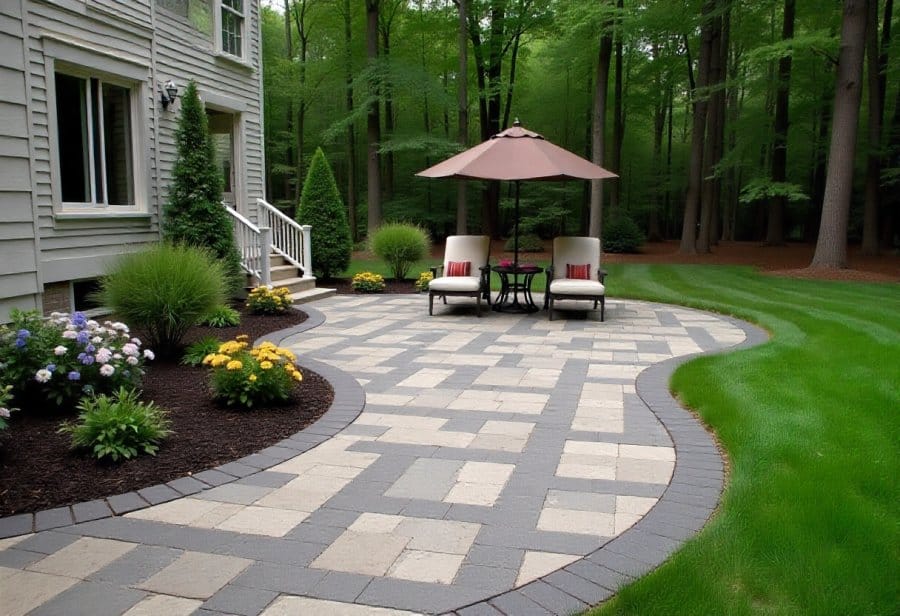
Revolutionizing Urban Landscapes with Eco-Friendly Pavers
Permeable pavers are transforming urban landscapes by offering a smart, eco-friendly alternative to traditional paving materials like concrete and asphalt. Unlike these conventional surfaces, permeable pavers are designed to allow rainwater to naturally seep through their surfaces and into the ground below. This key feature helps cities manage stormwater more effectively, reducing the risk of flooding and water pooling on streets and sidewalks during heavy rains.
The significance of permeable pavers extends beyond flood prevention. Their ability to facilitate water infiltration supports groundwater recharge and natural water filtration. As rainwater passes through the porous materials, it is naturally filtered, removing dirt, oils, and heavy metals before reaching underground aquifers. This process not only improves water quality but also helps restore depleted groundwater levels in urban areas with extensive paved surfaces.
In addition to environmental benefits, permeable pavers contribute to urban resilience and aesthetic appeal. They ease pressure on municipal stormwater systems by absorbing and slowing down runoff, which prevents overwhelming drains and reduces the likelihood of street flooding. Their versatility in design allows for a variety of colors and textures, making them suitable for sidewalks, plazas, parking lots, and other public spaces that can be both functional and visually attractive.
Adopting permeable pavers aligns with modern sustainable urban planning goals. As cities face increasing challenges from urban sprawl and climate change, these surfaces offer a practical solution to manage heavy rainfall more sustainably. They help cities become more resilient, healthier, and more inviting, turning practical infrastructure into opportunities for community beautification and ecological stewardship.
Implementing permeable paving requires careful planning, including site assessment and proper installation techniques. Ensuring a well-prepared base, avoiding over-compaction, and selecting the right materials are crucial steps. Regular maintenance, such as cleaning debris and inspecting for clogging, keeps these surfaces functioning efficiently over time. As awareness and technology grow, permeable pavers stand out as a reliable, innovative tool in building flood-resistant, environmentally friendly cities.
Unlocking the Advantages of Permeable Pavers Over Traditional Surfaces
Permeable pavers offer a significant upgrade over traditional paving materials like concrete and asphalt, especially when it comes to managing urban flooding risks. Their ability to let rainwater naturally seep into the soil reduces surface runoff, which is a primary cause of street flooding during heavy rains. By working with nature rather than against it, permeable pavers help keep streets and sidewalks safer and drier, easing the burden on overwhelmed stormwater systems.
One of their most notable benefits is supporting groundwater recharge and water filtration. As rainwater passes through the porous surfaces, it undergoes natural filtering, removing dirt, oils, and pollutants before reaching underground aquifers. This process results in cleaner water entering our water table, supporting healthier waterways and helping to restore groundwater levels that urban development often depletes.
Permeable pavers also lessen the strain on municipal infrastructure. Unlike conventional surfaces that channel large volumes of water directly into drains—often causing backups and flooding—these surfaces absorb and slow down water flow on-site. This not only reduces the risk of street flooding but also extends the lifespan of existing stormwater infrastructure by lessening its load, ultimately saving cities money on maintenance and repairs.
Beyond their functional advantages, permeable pavers enhance the visual appeal of urban spaces. Their versatility in colors, textures, and design allows for creative, attractive installations in sidewalks, plazas, and parking lots. This aesthetic flexibility encourages communities to develop greener, more inviting neighborhoods that foster outdoor activity and social interaction, turning practical infrastructure into vibrant public spaces.
While the benefits are clear, adopting permeable pavers requires some planning. Proper installation—such as preparing a stable base and avoiding over-compaction—is crucial to maintain permeability and durability. Regular maintenance, like clearing debris and inspecting for clogging, ensures these surfaces continue to perform effectively over time. Advances in materials and installation techniques are making permeable paving solutions more accessible and long-lasting, addressing earlier concerns about durability.
Overall, permeable pavers provide a smart, sustainable way to manage stormwater, reduce flooding risks, and promote healthier urban environments. Their ability to naturally filter and infiltrate rainwater makes them an effective tool in building resilient cities that can better withstand climate challenges. Choosing permeable paving is a step toward smarter, greener urban planning that benefits communities and ecosystems alike.
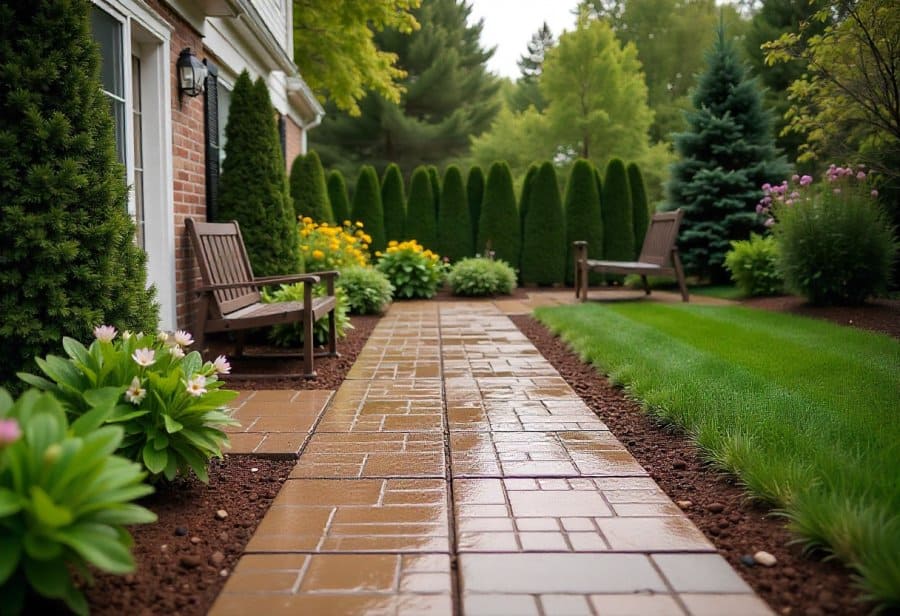
Transforming Cities: Practical Impact and Environmental Benefits of Permeable Paving
Cities worldwide are increasingly turning to permeable pavers as a practical way to combat urban flooding. Many neighborhoods have already experienced noticeable reductions in surface runoff during heavy rains, which keeps streets drier and safer. By absorbing water on-site, permeable surfaces lessen the strain on municipal stormwater systems, preventing backups and street flooding. These tangible results demonstrate how integrating permeable pavers into urban planning creates more resilient, manageable environments that can better withstand extreme weather.
Beyond flood control, permeable pavers significantly improve environmental health. Their capacity to filter pollutants like dirt, oils, and heavy metals before water reaches underground aquifers leads to cleaner water entering our groundwater supplies. This natural filtration supports healthier waterways and helps restore depleted groundwater levels often caused by dense paving in urban areas. As cities seek sustainable growth, these ecological benefits align with broader goals of climate resilience and water quality improvement.
Adoption isn’t without hurdles. The upfront costs for permeable pavers tend to be higher than traditional options, which can slow their widespread use. Proper installation is essential; a stable base and avoiding over-compaction are critical to maintaining permeability over time. Regular maintenance, such as clearing debris and inspecting for clogging, is necessary to keep the surfaces functioning effectively. Fortunately, advances in materials and installation methods are making permeable paving more durable and easier to maintain, easing some of these concerns.
Emerging innovations are pushing permeable paving solutions toward greater practicality. New materials like stronger porous concrete and modular designs simplify installation and extend lifespan. Some cities are experimenting with sensor-equipped systems that monitor water flow and permeability in real time, optimizing performance and identifying issues early. These technological strides help address earlier durability and maintenance challenges, making permeable pavers a more reliable choice for urban infrastructure.
The environmental impact extends beyond flood prevention. Reduced runoff promotes healthier waterways and supports aquatic ecosystems. The natural infiltration process encourages plant and tree growth, which improves air quality and adds aesthetic value to neighborhoods. Public spaces built with permeable pavers tend to be more inviting, fostering community interaction and outdoor activity. In this way, these surfaces do more than manage water—they contribute to creating greener, more vibrant urban environments.
Implementing permeable pavers requires thoughtful planning. Assessing site conditions—soil type, drainage capacity, and rainfall patterns—guides the selection of suitable materials and designs. Proper installation involves preparing a stable base, avoiding over-compaction, and ensuring correct joint filling to preserve permeability. Regular upkeep, including debris removal and inspections, keeps the system functioning efficiently and extends its lifespan.
Engaging local authorities and understanding policies can smooth the adoption process. Many municipalities now offer incentives or grants for green infrastructure projects, including permeable paving. Working with experienced professionals ensures the design aligns with site-specific conditions and urban objectives. Educating communities about the benefits and maintenance of permeable surfaces builds support, making widespread adoption a shared effort toward resilient, sustainable cities.
As cities continue to prioritize sustainable infrastructure, understanding the environmental advantages of permeable paving becomes increasingly important. These surfaces not only help manage stormwater but also support groundwater recharge, which is vital for maintaining healthy water cycles. For those interested in the broader ecological benefits, exploring how permeable pavers promote groundwater recharge and water filtration can provide valuable insights into their role in sustainable urban development.
Step-by-Step Guide to Successfully Incorporate Permeable Pavers
To successfully incorporate permeable pavers into urban projects, start with a thorough site assessment. Understanding the soil type, drainage capacity, and typical rainfall patterns helps determine the most suitable permeable system. For example, sandy soils generally support a wider range of permeable materials, while clay-heavy soils may require additional base layers or drainage solutions. This initial step ensures the design aligns with the site’s natural conditions, optimizing performance and durability from the outset.
Selecting the right type of permeable paver is crucial. Options include porous concrete, interlocking gravel pavers, and permeable brick systems, each suited to different applications and aesthetic goals. For high-traffic areas like parking lots, durable porous concrete offers longevity, while permeable bricks can add visual interest in sidewalks or plazas. Matching the material to the project’s needs enhances both functionality and appearance, creating a seamless blend of practicality and design.
Proper installation is key to ensuring long-term effectiveness. A stable, well-compacted base—often consisting of crushed gravel or coarse aggregate—supports the pavers and allows water to flow freely. During installation, avoid over-compacting the porous layers, as this can reduce permeability. Edge restraints help maintain the pavers’ position, preventing shifting over time. Filling joints with fine sand or small gravel further stabilizes the surface and preserves permeability, ensuring the system functions as intended.
Once installed, maintenance becomes essential. Regularly clearing debris, leaves, and sediment from the surface prevents clogging of the pores. Gentle pressure washing can remove stubborn dirt without damaging the pavers. Periodic inspections help identify any shifting or settling that could impair drainage. Re-sanding joints or applying compatible sealants can extend the lifespan of the permeable surface, keeping it performing at its best for years to come.
Engaging with local authorities and understanding relevant policies can streamline adoption. Many municipalities now offer incentives, grants, or regulatory support for green infrastructure projects, including permeable paving. Working with planning departments and environmental agencies ensures compliance and can facilitate funding opportunities. Proper documentation and adherence to standards help smooth approval processes, making implementation more straightforward.
Collaborating with experienced professionals—such as engineers, landscape architects, and contractors familiar with permeable paving—ensures the project meets technical standards. Their expertise helps navigate site-specific challenges, from soil stability to drainage needs, and ensures the design aligns with broader urban resilience goals. Partnering with specialists also allows for tailored solutions that maximize performance and lifespan, turning planning into lasting impact.
Transform Your Toronto Outdoor Space with Expert Landscape Design
Looking to enhance your Toronto property? Toronto Landscape & Design specializes in creating stunning outdoor environments using natural stone, water gardens, irrigation systems, and retaining walls. Our award-winning designers take everything into consideration to craft a beautiful retreat that meets your unique needs. Whether you’re aiming to reduce backyard flooding or establish a captivating garden, our team provides professional landscaping solutions tailored to Toronto’s climate. Trust Toronto Landscape & Design to turn your vision into reality with expert craftsmanship and personalized service. Contact us at https://TorontoLandscapeDesign.com or call 1.416.644.0499 to start transforming your outdoor space today.
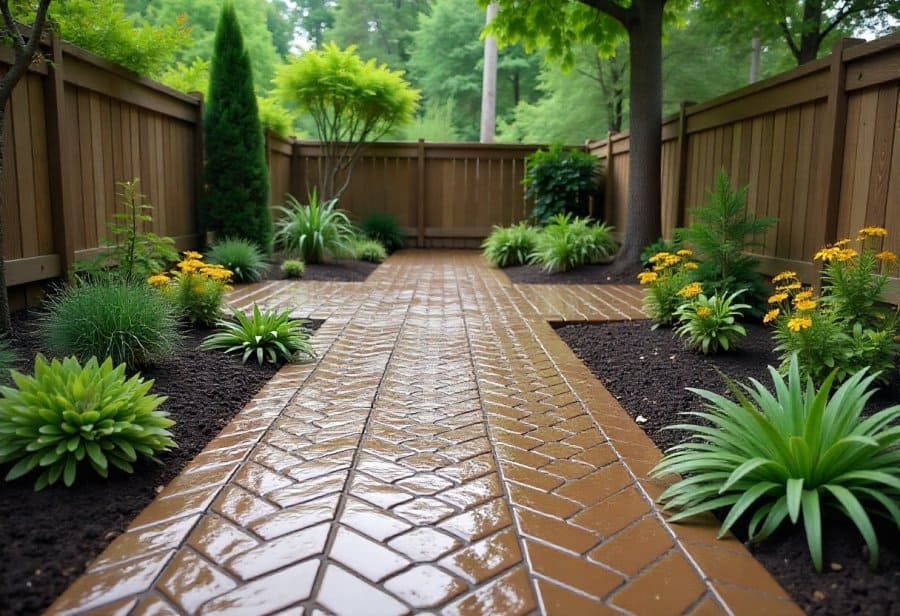
Seizing the Future: Embrace Permeable Pavers to Combat Flooding and Build Resilient Cities
Implementing permeable pavers offers a practical and effective way to reduce urban flooding while fostering more resilient communities. Their ability to let rainwater naturally seep into the soil eases the pressure on stormwater systems, preventing streets and sidewalks from flooding during heavy rains. This not only keeps neighborhoods safer but also supports groundwater recharge and water filtration, which benefits local ecosystems and improves water quality.
As cities grow and climate patterns become more unpredictable, the advantages of permeable pavers grow even more vital. Incorporating these surfaces into urban infrastructure can help manage intense rainfall more effectively, reducing flood risks and supporting healthier, greener neighborhoods. Their flexibility in design allows them to be used in sidewalks, parking lots, and public plazas, transforming functional spaces into inviting areas that encourage outdoor activity and community connection.
Encouraging widespread adoption involves more than just installing permeable pavers. Policymakers, developers, and residents all play a role in championing these solutions. Demonstrating how permeable paving reduces flood risks, improves water quality, and enhances urban livability can motivate stakeholders to prioritize sustainable infrastructure. Sharing successful projects and providing clear guidance on implementation helps build confidence and momentum for this shift.
While initial costs and installation details pose challenges, the long-term benefits—such as lowered flood damage, reduced maintenance expenses, and ecological health—make permeable pavers a smart investment. Advances in materials and installation techniques continue to improve durability and ease of use, expanding their accessibility for a variety of projects. As awareness spreads, more communities will recognize permeable paving as a key component of resilient, sustainable urban development.
Supporting permeable pavers is about more than infrastructure; it’s about shaping a future where cities are safer, more sustainable, and better connected to natural processes. Every project that incorporates these surfaces contributes to building climate resilience, protecting waterways, and creating vibrant, inviting public spaces. Collectively, these efforts can transform urban landscapes into healthier environments for generations to come.
The time to act is now. By choosing permeable pavers, we take a meaningful step toward reducing flood risks, supporting ecological health, and fostering thriving neighborhoods. Everyone—city officials, developers, and residents alike—has a role in promoting smarter, greener urban growth. Investing in these solutions today ensures we’re better prepared for future climate challenges and helps build a legacy of resilience and sustainability for the communities we cherish.