Learning to ride a bike embodies more than just mastering a skill; it is a pivotal moment of courage, family bonding, and emotional growth. As children wobble, fall, and rise, they discover resilience, independence, and trust—values that extend far beyond the handlebars. The journey highlights the delicate balance between fear and thrill, showcasing how support and patience transform setbacks into stepping stones. But does the fear of falling outweigh the joy of independence? This compelling narrative explores how safe environments, community programs, and technological innovations foster confidence and perseverance. Could these lessons from early cycling experiences shape resilient, adventurous adults? The future promises safer, more inclusive spaces and exciting advances in learning tools that will make riding accessible for all children. Ultimately, this shared rite of passage not only cultivates physical skill but also nurtures a mindset of perseverance and self-trust—traits essential for facing life’s many challenges with optimism and grit.
Celebrating the Milestone: Learning to Ride as a Journey of Courage and Connection
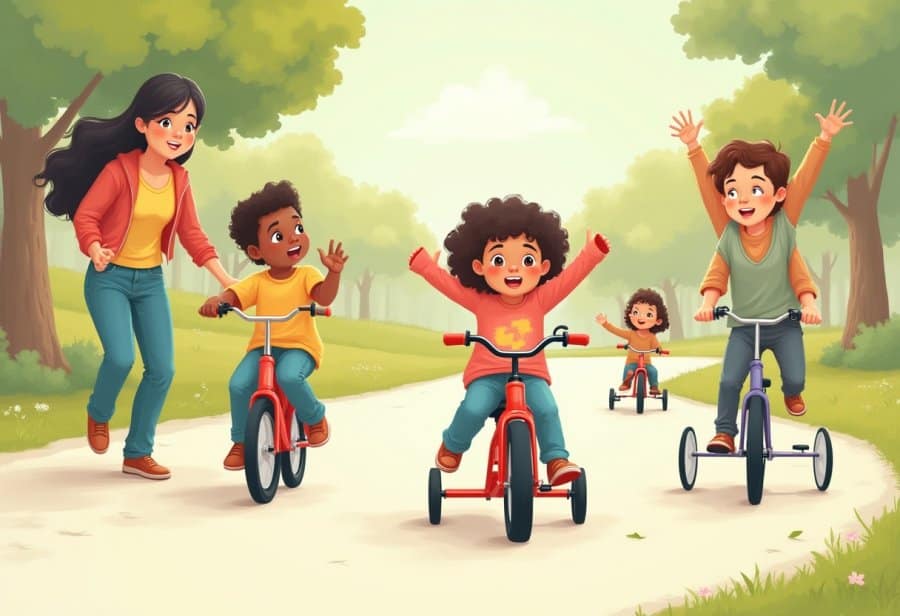
Learning to ride a bike is more than just mastering a new skill; it’s a milestone that captures the essence of growth, bravery, and connection. For many children, those first wobbly pedals mark a turning point—an achievement wrapped in family support and shared excitement. It’s a moment where effort meets joy, and small steps lead to a sense of independence that feels monumental.
This process is often a cherished family memory, woven into the fabric of bonds that grow stronger with each attempt. Parents and siblings stand by, offering steadying hands or encouraging words, transforming a simple act into a shared adventure. These moments of persistence and triumph foster trust, patience, and resilience—qualities that extend far beyond the bike itself.
Learning to ride also symbolizes freedom. As children gain control and balance, they start to experience the thrill of moving forward on their own. That feeling of independence—whether riding down the street or across the park—becomes a powerful motivator, pushing kids to overcome their fears and try again. It’s a delicate dance of courage and support, where every small victory fuels further progress.
The emotional journey is just as vital as the physical one. Kids often face fears of falling or wobbling, which can make them hesitant to try. Supportive adults help ease these anxieties, emphasizing safety gear and creating safe environments on grass or smooth pathways. Reminding children that tumbles are part of learning helps them see setbacks as temporary, not failures, encouraging them to keep trying.
Patience plays a crucial role. Some children need multiple attempts before they feel confident pedaling alone or steering steadily. Celebrating small milestones—like balancing a little longer or taking a few pedal strokes—reinforces their belief in themselves. By allowing kids to set their own pace, they develop perseverance and a sense of achievement that lasts well beyond the first ride.
As their skills improve, so does their confidence. Wobbles become fewer, rides smoother, and independence grows. These early experiences teach children that setbacks are normal and manageable, fostering resilience and a positive attitude toward future challenges. The act of learning to ride becomes a lesson in patience, persistence, and trusting in their abilities, shaping resilient individuals ready to face the world.
Building Foundations: The Essential Concepts of Learning to Ride
Learning to ride a bike involves more than just mastering the physical act of pedaling; it’s a journey that blends skill development with emotional growth. The first big hurdle for many children is learning to balance—staying upright without wobbling or falling. Using balance bikes or training wheels can provide a gentle starting point, helping kids feel steady and in control. Building this foundation is crucial because it boosts confidence and coordination, making the next steps of steering and pedaling feel less overwhelming.
Once balance is secure, pedaling introduces a new set of challenges. Coordinating legs, eyes, and hands takes practice and patience. Support from parents or caregivers makes all the difference—whether by holding the bike steady or offering encouragement after each attempt. Wobbles and near-falls are normal parts of this phase, teaching children resilience and persistence. Celebrating small successes, like a few steady pedal strokes, reinforces their progress and keeps motivation high.
Emotionally, learning to ride can stir up fears—especially the fear of falling. Kids often worry about getting hurt, which can lead to hesitation or resistance. Adults play a vital role here by emphasizing safety gear and creating a safe environment, such as soft surfaces like grass or smooth pavement. When children understand that tumbles are part of learning, they view setbacks as temporary rather than failures. This perspective encourages them to keep trying, even after falls.
Building confidence takes time and patience. Some children need multiple attempts before they feel comfortable riding independently or steering confidently. Letting them set their own pace, rather than rushing, helps foster perseverance. Celebrating every milestone—like balancing a little longer or taking a few pedal strokes without wobbling—builds their belief in their abilities and teaches that effort, not perfection, leads to progress.
As children improve, their emotional resilience grows alongside their physical skills. Fewer wobbles, longer rides, and greater independence are signs of developing confidence. These early experiences also teach that setbacks are normal and manageable, fostering a mindset of patience and persistence. Learning to ride becomes more than a physical skill; it’s a lesson in trusting oneself and overcoming fears.
Ultimately, mastering the basics of riding a bike lays the groundwork for a lifetime of resilience and independence. The emotional and physical challenges faced along the way help children develop patience, grit, and confidence—traits that extend far beyond cycling. This process not only prepares them for future adventures but also nurtures a mindset that values perseverance and self-trust in all areas of life.
Beyond the Physical: The Emotional and Developmental Power of Learning to Ride
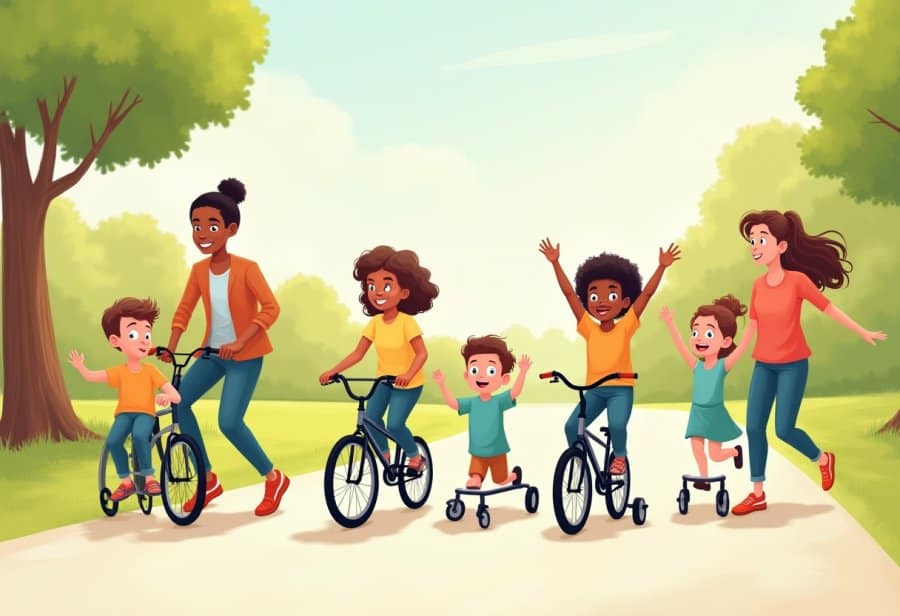
Learning to ride a bike offers more than just physical coordination; it’s a powerful catalyst for emotional and developmental growth. Each small victory—like balancing a little longer or pedaling without wobbling—strengthens a child’s belief in their abilities. These moments come after facing fears, such as wobbling or falling, and teach kids that setbacks are a normal part of learning. Supporting children through these challenges helps them see failure not as a defeat but as a stepping stone, fostering mental toughness that benefits them well beyond cycling.
This process also nurtures emotional resilience. Every wobble or tumble provides an opportunity to practice patience and perseverance. When adults cheer them on or help them get back up, children learn that failure isn’t final. Instead, it’s a chance to try again, building a mindset that setbacks are temporary and manageable. This resilience, cultivated during early bike rides, becomes a foundation for handling future obstacles with confidence and persistence.
Beyond personal growth, learning to ride enhances social bonds and family connections. When parents or siblings celebrate small milestones, it creates a shared sense of achievement. These moments of encouragement turn a simple skill into a meaningful experience, strengthening trust and teamwork. Children internalize that they are supported and valued, which boosts their emotional security and motivates them to keep trying, even when progress feels slow.
Research supports these observations, showing that children who learn to ride early tend to develop higher self-esteem and better risk assessment skills later on. Navigating their environment on two wheels gives them a sense of control and independence, encouraging a positive attitude toward new challenges. The emotional growth from overcoming fears and celebrating progress on the bike not only makes them more confident but also prepares them to face life’s hurdles with resilience and optimism.
Learning to ride also stimulates cognitive development. Coordinating movements—balancing, steering, pedaling—strengthens motor skills and spatial awareness, essential for many other physical activities. These skills require focus and practice, laying a foundation for problem-solving and critical thinking that benefits children beyond their first bike ride. The process of mastering these complex tasks teaches patience, discipline, and adaptability.
Ultimately, the emotional and developmental benefits of learning to ride extend far beyond the physical act. Facing fears, overcoming setbacks, and celebrating progress foster qualities like perseverance, self-trust, and resilience. These traits shape children into confident individuals ready to embrace future challenges. The journey of learning to ride is not just about mastering a skill; it’s about building a resilient mindset that will serve them throughout life.
From Learning to Life: Applying Cycling Lessons to Real-World Growth and Community Support
Applying the lessons of learning to ride a bike in everyday life means creating environments that support children as they build confidence and independence through cycling. Schools and community organizations play a crucial role by offering beginner-friendly bike classes, safety workshops, and group rides. These programs give kids a safe space to practice, helping them overcome fears while enjoying social interaction. When children participate in such activities, cycling transforms from a simple skill into a shared experience that fosters resilience, teamwork, and a sense of achievement.
Community infrastructure is just as vital. Parks, bike trails, and dedicated cycling lanes make it easier and safer for families to ride together. When children see accessible, well-designed spaces for biking, they’re more encouraged to explore and develop their skills. These environments foster a sense of independence, making it natural for kids to practice regularly and gain confidence on two wheels. Safe, inviting spaces help reinforce that cycling is a normal part of childhood, not just a skill to learn but a lifestyle to embrace.
Stories from families highlight how patience and encouragement turn initial fears into milestones. For example, a child hesitant to ride without training wheels gradually gains confidence through gentle practice on soft surfaces. Each small success, whether balancing longer or pedaling farther, shows that consistent support from parents and community programs makes a real difference. Celebrating these wins helps children see their progress, reinforcing that effort and perseverance lead to independence.
Addressing common fears like falling is key. Adults can help by creating a calm, reassuring atmosphere, using soft surfaces and safety gear to reduce anxiety. When kids understand that tumbles are part of learning, they’re more willing to keep trying. Supporting them through setbacks teaches patience and persistence—traits that extend beyond cycling into many areas of life. Making sure children feel safe and supported encourages them to take risks and push past their comfort zones.
Parents and instructors are central to translating these lessons into real-world confidence. Whether holding the bike during early rides or offering kind praise after a fall, their support helps children feel secure enough to try again. Celebrating even small achievements, like staying upright longer or pedaling a bit farther, reinforces that effort matters more than perfection. This steady encouragement helps kids internalize that progress comes through perseverance and self-trust.
Community activities such as family cycling days and organized group rides foster a sense of belonging and shared success. Seeing peers ride confidently inspires children to push past their fears and try new challenges. These experiences turn cycling into a meaningful family tradition, strengthening bonds and creating lasting memories. By making cycling an accessible part of everyday life, communities help nurture resilient, confident kids ready to face whatever challenges come next.
Looking Ahead: The Bright Future of Childhood Development Through Cycling
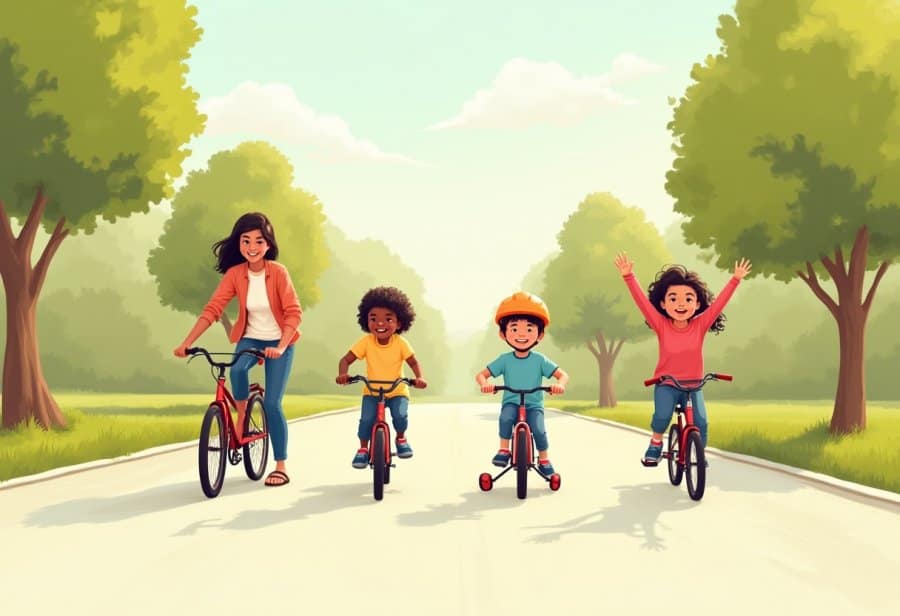
As we look ahead, the future of childhood development through cycling is full of promise. Advances in safety gear, like lightweight helmets and impact-absorbing pads, are making learning to ride less daunting and more accessible for kids everywhere. Cities are investing in dedicated bike lanes, safe trails, and traffic-calming measures, creating environments where children can practice and enjoy cycling with greater confidence. These improvements not only support individual growth but also foster a culture that sees riding as a natural, healthy part of childhood.
Emerging technologies are poised to transform how kids learn to ride. Interactive apps, virtual reality training modules, and smart helmets can make the process more engaging and less intimidating. These tools help children develop balance, coordination, and road safety skills in playful, controlled settings, easing their transition into real-world riding. Meanwhile, community programs are expanding, offering more inclusive access to bicycles and safe spaces, ensuring that more kids can experience the independence and joy that come with cycling.
As these innovations become widespread, the emphasis on resilience and independence remains central. Cycling is shifting from a simple physical activity to a vital pathway for cultivating confidence, risk-taking, and self-reliance. Kids learn that setbacks—like wobbling or falling—are part of growth, and overcoming them builds mental toughness. These lessons extend beyond the bike, helping children approach future challenges with a sense of adventure and trust in their abilities.
Looking further into the future, the integration of sustainable transportation and active living will likely make cycling an even more integral part of everyday childhood experiences. With more bike-friendly urban planning and community initiatives, children will have abundant opportunities to explore their neighborhoods safely and independently. This ongoing momentum encourages a shift in how we view childhood growth—as a journey rooted in exploration, resilience, and shared joy.
The combination of infrastructure, technology, and community engagement promises a world where every child has the chance to experience the thrill of riding. This not only nurtures physical health but also builds emotional strength, confidence, and resilience—traits crucial for navigating life’s hurdles. As more children take their first pedal strokes, they carry forward a legacy of perseverance, independence, and joyful discovery.
Supporting their journey through safe, welcoming environments helps instill a lifelong love of active living. The skills and mindset developed during those early rides—facing fears, celebrating progress, and embracing setbacks—lay the foundation for resilient, capable individuals. By fostering a culture that values movement and perseverance, we prepare children to meet the future with confidence and curiosity.
In the end, the future of childhood development through cycling is bright. It’s a path paved with innovation, community support, and the timeless joy of movement. As we continue to nurture these experiences, we help shape a generation that values resilience, independence, and the simple pleasure of riding—traits that will serve them well in all their adventures ahead.