In an era dominated by screens and digital connections, could the simple act of tending a garden together unlock deeper bonds and foster emotional healing? ‘Digging for Joy’ explores how shared outdoor activities transcend routine chores, transforming them into powerful rituals of patience, trust, and love. From personal stories of couples reconnecting through gardening to community efforts that dissolve social barriers, this work highlights the timeless power of nurturing both plants and relationships. Historical and cultural perspectives reveal gardens as sanctuaries of social cohesion and resilience across civilizations, while modern practices demonstrate gardening’s evolving role in supporting mental health and community building. Emerging technologies and urban initiatives promise to make garden-based connection more accessible than ever, suggesting a future where tending the earth becomes a vital pathway to emotional well-being. Could this age-old activity be the secret to healing in a fractured world?
Cultivating Emotional Bonds: How Shared Gardening Fosters Healing and Connection
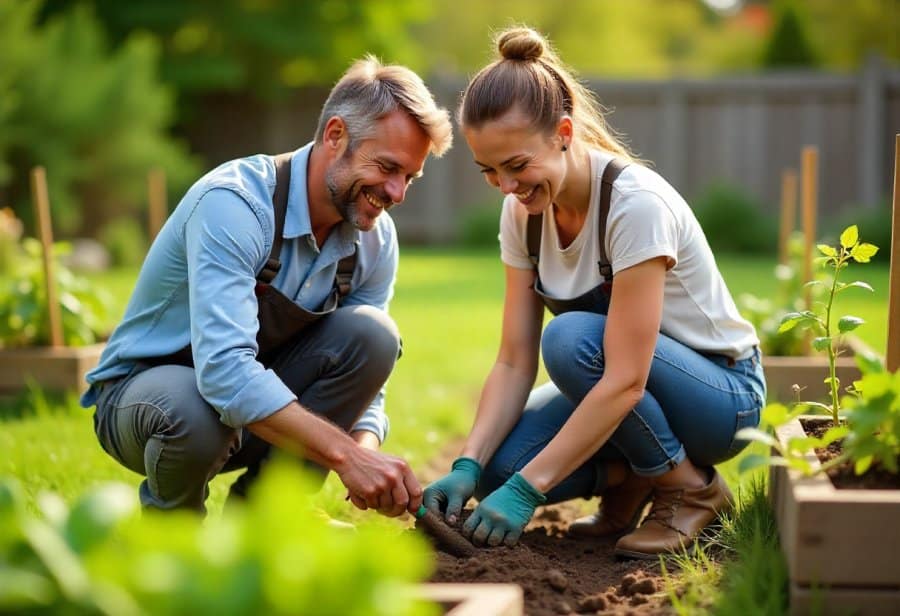
Gardening together goes beyond simply planting and watering; it creates a space where genuine emotional connections can flourish. When people work side by side in a shared outdoor setting, they naturally engage in conversations, practice patience, and build trust. These qualities often develop quietly as individuals focus on common goals, like nurturing seedlings or harvesting crops, transforming routine chores into meaningful rituals of care and cooperation. Over time, this shared effort fosters a sense of achievement and deepens bonds that can extend well beyond the garden itself.
In today’s fast-paced, digital world, many people feel disconnected from nature and from each other. Gardening offers a grounding escape—an opportunity to slow down, engage the senses, and reconnect with the natural environment. When done together, these moments become even more powerful, turning simple outdoor activities into pathways for emotional healing. The physical act of working with soil, smelling fresh herbs, or listening to birdsong not only calms the mind but also creates a shared space where communication and understanding can grow.
Sharing the work of tending a garden encourages vulnerability and joy. Celebrating small victories, like the first sprout or ripe tomato, fosters a sense of collective pride and resilience. These moments of growth—both in the garden and in relationships—remind us that patience, care, and teamwork can lead to lasting emotional rewards. Gardening becomes a gentle form of therapy, helping individuals overcome emotional hurdles through nurturing and collaboration, whether among family, friends, or partners.
Tending to a garden side by side also builds a foundation of trust and open dialogue. As plants flourish, so do the relationships involved. People find themselves sharing stories, supporting each other through challenges, and discovering new depths of understanding. This process creates a safe space for emotional expression, which is increasingly valuable in a world where digital interactions often lack intimacy. In this way, gardening serves as a powerful tool for nurturing both the earth and human bonds.
Even small urban gardens or balcony planters can become intimate sites for connection and growth. The act of caring for a few potted plants or herbs can spark conversations, strengthen teamwork, and foster a shared sense of purpose. These simple acts demonstrate that meaningful bonding isn’t about the size of the space but about the presence and intention invested in the act. Gardening, in any form, reminds us that patience, care, and shared effort can nurture relationships as much as they nurture plants.
Ultimately, working together in a garden nurtures more than just greenery; it nurtures relationships. It shows us that in a world increasingly dominated by screens and digital interactions, there’s profound healing and connection to be found in the soil. Gardening becomes a gentle reminder that patience, empathy, and shared effort are powerful tools for emotional growth and resilience—an accessible, timeless way to strengthen bonds and find healing in the natural world.
Gardens of the Past: Exploring Cultural and Historical Roots of Social Healing
Throughout history, gardens have served as more than just sources of food or beauty—they’ve been vital spaces for social bonding and emotional resilience. Ancient civilizations like Egypt, Greece, and Rome used communal gardens not only for sustenance but also as gathering spots for rituals, celebrations, and daily social life. These shared spaces fostered a sense of community, reinforcing bonds through collective effort and mutual support. In many cultures, planting and tending gardens were woven into spiritual practices and rites of passage, making them integral to both individual identity and collective well-being.
In traditional societies worldwide, gardens often played a central role in strengthening social ties. In Egypt, for instance, communal gardens became places where families harvested and shared food, cultivating cooperation and a sense of belonging. Similarly, medieval European monastic gardens weren’t just for spiritual reflection—they also brought monks and local villagers together through shared horticultural work. Indigenous communities across the globe developed planting rituals that marked seasons or life events, creating cultural continuity and emotional connection. These enduring practices highlight how gardens have historically been spaces for nurturing relationships and resilience.
As societies evolved, so did the ways people engaged with their gardens. The shift from communal plots to individual or family gardens—like backyard vegetable patches or balcony herb pots—mirrored modern lifestyles. Yet, the importance of shared gardening experiences persisted, fueling the rise of community gardens and therapeutic horticulture programs today. These initiatives echo centuries-old traditions, emphasizing collaboration and emotional support. They remind us that working with the earth remains a powerful way to reconnect with others and foster emotional healing, even amid rapid societal change.
Urbanization and technological progress transformed garden spaces but did not diminish their social significance. Cities now feature rooftop farms, vertical gardens, and urban green spaces that serve as vibrant hubs for community interaction. Virtual gardening communities and online platforms connect enthusiasts across distances, nurturing bonds that transcend physical barriers. These innovations make it easier for diverse populations to partake in shared efforts, turning concrete environments into places of connection and collective healing. Gardens, whether physical or digital, continue to serve as vital links for emotional well-being.
Cultural traditions around gardening often reflect a deeper understanding of its healing power. Rituals, stories, and collective efforts around plant care forge emotional ties that span generations. Many communities see gardening as a form of spiritual or emotional therapy—an act of nurturing that mirrors personal growth and recovery. These practices reinforce the idea that tending to plants is more than a task; it’s a meaningful activity that sustains cultural identity, strengthens social bonds, and promotes collective resilience.
Looking ahead, the historical and cultural roots of gardening as a social and healing activity provide a foundation for future innovations. As technology advances and urban spaces expand, new ways to foster connection through gardening will emerge—whether through virtual reality, mobile projects, or eco-initiatives. Rooted in centuries of tradition, these evolving practices continue to demonstrate that gardens remain powerful spaces for healing, community, and emotional renewal, proving that even in a modern, digital world, the timeless act of tending plants can nurture our shared human spirit.
Modern Roots: How Today’s Gardening Practices Strengthen Relationships and Foster Growth
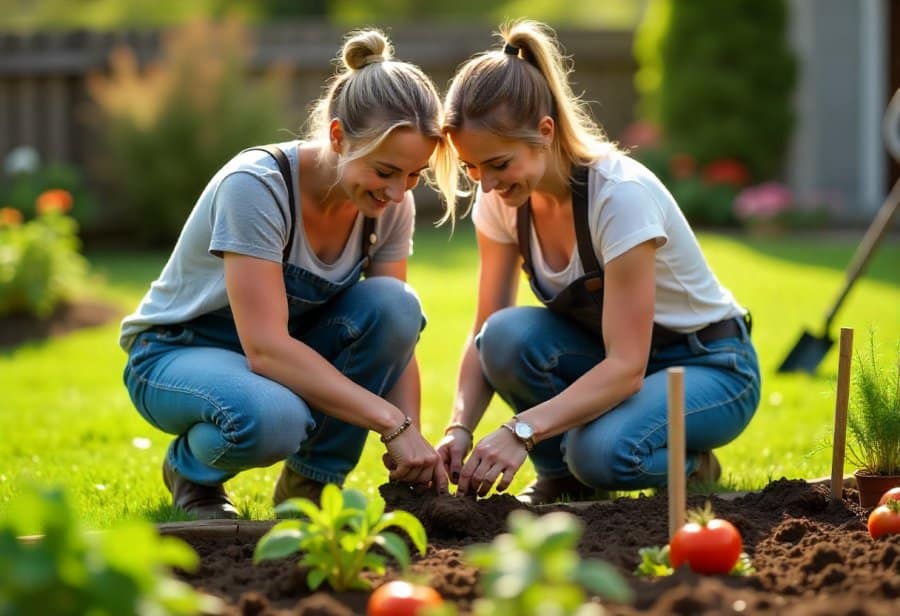
Modern gardening practices have become powerful tools for strengthening emotional bonds and supporting personal healing. Community gardens, in particular, serve as lively hubs where neighbors come together to grow food, share stories, and foster a sense of belonging. These shared spaces encourage cooperation and create opportunities for genuine interaction beyond the act of planting. Likewise, therapeutic horticulture programs are increasingly integrated into mental health settings, helping individuals process emotions and rebuild confidence through hands-on engagement with plants. Working side by side with greenery promotes emotional resilience and provides a tangible sense of accomplishment.
Family gardening projects have also gained popularity as a way to boost communication and teamwork. Parents and children collaborating on vegetable patches or flower beds learn patience, responsibility, and cooperation. Watching their plants grow and caring for them together creates lasting memories and deepens emotional connections. Urban initiatives like rooftop farms and balcony gardens demonstrate how adaptable gardening is in city environments, reconnecting urban dwellers with nature and offering shared spaces for social bonding. These projects turn concrete jungles into vibrant community spots, emphasizing collective effort and shared purpose.
Recent innovations focus on inclusivity and accessibility. Therapeutic gardening programs tailored to support mental health often provide calm, nurturing environments where participants can express feelings and build confidence. Community gardens act as inclusive spaces that bridge cultural differences, fostering understanding through shared effort. Even small-scale activities like plant swaps or container gardening can spark conversations and strengthen neighborhood ties. These efforts demonstrate that meaningful connection does not depend on large or elaborate setups but on the presence and intention behind the activity.
The rise of digital tools has expanded gardening’s potential to foster relationships. Apps for garden planning, online forums, and virtual communities connect enthusiasts across distances, creating a sense of global belonging. Virtual reality experiences are emerging to simulate outdoor environments for those unable to access traditional gardens, offering immersive ways to connect with nature and each other. These technological advances help break down barriers—geographical, physical, or emotional—making gardening a more inclusive and engaging activity for all.
Participating in these modern approaches yields clear emotional benefits. Working together in shared spaces promotes open communication, trust, and collaboration. The act of nurturing plants becomes a metaphor for caring for one another, fostering empathy and resilience. Observing growth and progress in the garden provides hope and a sense of achievement, often translating into personal development. These activities can reduce stress, combat loneliness, and foster community spirit, showing that even in our busy, digital age, tending to a garden remains a powerful way to nurture relationships.
As these contemporary practices continue to evolve, their capacity to deepen connections only grows. Innovative tools and inclusive programs make it easier than ever for people to turn outdoor spaces into places of healing and bonding. Whether through small personal projects or large community initiatives, gardening remains a timeless activity that nurtures both plants and human relationships. Embracing these new approaches allows us to harness the enduring power of nature to build stronger, more resilient communities and enrich our emotional lives.
Stories in the Soil: Personal Experiences Demonstrate Gardening’s Power to Heal and Connect
Personal stories vividly illustrate how shared gardening can spark real emotional change. Take a couple who had been drifting apart; they started working together in their backyard, planting vegetables and herbs. Over time, watching their tomatoes ripen and sharing simple tasks like watering and weeding helped them reconnect. The garden became a space where they could slow down, communicate more openly, and rebuild trust through mutual effort. These quiet moments in the soil often open channels of conversation that might otherwise stay closed, showing how tending to plants side by side can nurture both growth and healing.
Community gardens tell equally powerful stories of connection. In an urban neighborhood, diverse residents came together to create a shared space for herbs, flowers, and vegetables. As they collaborated on planting and maintenance, barriers of language and background dissolved, replaced by a shared sense of purpose. Neighbors who had never spoken started exchanging recipes and life stories, forging bonds that extended well beyond the garden beds. Such experiences prove that shared gardening can break down social divides, fostering genuine relationships rooted in cooperation and care.
Therapeutic horticulture programs further demonstrate gardening’s healing potential. In mental health clinics and rehabilitation centers, participants engage in structured planting activities designed to process emotions and rebuild confidence. Many report feeling calmer, more hopeful, and more in control after just a few sessions. One individual recovering from trauma described how caring for a small flowering plant helped ground her emotions. These programs show that even gentle, accessible outdoor activities can serve as a powerful form of therapy, helping people work through difficult feelings while nurturing new growth.
Stories from families highlight how gardening fosters stronger bonds. Parents and children working together to grow a vegetable garden often find new ways to communicate and support each other. One mother and daughter, after facing a tough period, started a small patch of tomatoes and herbs. Watching their plants grow and sharing daily routines created moments of joy and trust. For them, the garden became a meaningful ritual that went beyond planting—it became a symbol of resilience and connection, transforming everyday tasks into shared experiences that deepen emotional ties. For more on this topic, the Mayo Clinic highlights how gardening can support health, reduce stress, and connect us with nature. Click here to read the full article.
Across these examples, the common thread is clear: tending to plants together creates a space for authentic emotional connection. Whether through personal stories, community projects, or therapeutic settings, these experiences show that gardening isn’t just about cultivating soil—it’s about fostering human resilience, empathy, and understanding. The tangible results—stronger relationships, reduced stress, and renewed hope—highlight how the simple act of working in the garden can lead to profound personal and collective healing.
Looking Forward: Embracing Innovation and Sustainability to Enhance Connection and Healing Through Gardening
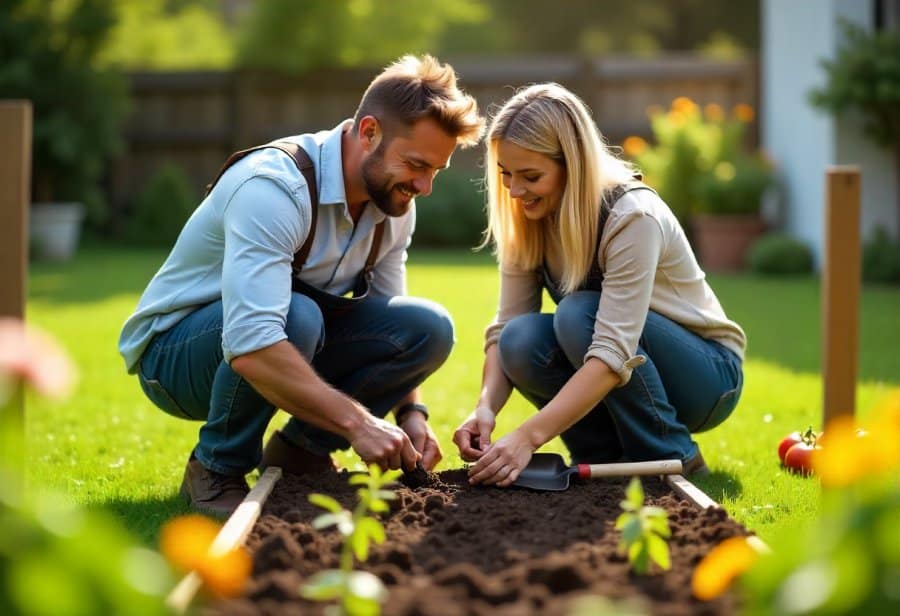
Emerging trends suggest that gardening’s role in fostering connection and healing will become even more innovative and inclusive. Advances in digital technology, like virtual garden planning apps and online communities, are making it easier for people worldwide to collaborate on projects regardless of physical distance or mobility. These platforms enable idea-sharing, progress tracking, and peer support, building a sense of global community rooted in shared passion. Meanwhile, virtual reality is beginning to offer immersive outdoor experiences, allowing those with limited access or physical constraints to connect with nature and each other through simulated environments. This opens new pathways for emotional healing, making garden-based activities accessible to a broader audience.
Cities are transforming as urban agriculture and rooftop gardens grow in popularity, turning dense concrete jungles into vibrant green hubs. These spaces not only improve urban environments but also serve as communal gathering spots that encourage social interaction. Vertical gardens and eco-friendly urban farms foster shared effort and pride, making nature a central part of everyday city life. As urban landscapes expand upward, these green spaces become vital for strengthening community bonds, reminding us that collective effort in tending to nature can unify neighborhoods amid the hustle and bustle.
The increasing awareness of gardening’s mental health benefits is prompting organizations to incorporate outdoor therapy and horticultural programs into broader health and educational services. Schools, workplaces, and healthcare providers recognize that engaging with plants reduces stress, boosts mood, and builds resilience. Innovative approaches like mobile gardens or adaptable gardening kits aim to make these benefits accessible for diverse populations, including those with limited mobility or in underserved areas. These initiatives extend the reach of garden-based healing, positioning gardening as a practical, everyday tool for emotional well-being.
Technology’s integration with traditional gardening practices is also creating exciting possibilities. Smart systems that monitor soil health and automate watering or fertilizing make gardening more approachable for beginners and those unfamiliar with outdoor work. When paired with community workshops or social events, these tools foster shared learning and success stories that deepen bonds. As such technologies become more user-friendly and affordable, they lower barriers, encouraging more people to experience the joy and emotional rewards that come with tending a garden.
Looking ahead, sustainability and environmental stewardship will strengthen the connection between gardening and community resilience. Initiatives focused on ecological restoration and local food production often require collective effort, forging social bonds while addressing climate challenges. Gardening can evolve into an act of activism—empowering individuals and groups to contribute to their communities through shared projects. These efforts not only nurture the planet but also reinforce social ties, demonstrating that tending to the earth is inherently linked to healing and uniting communities.
In essence, the future of gardening as a tool for connection and healing is rich with potential. As new technologies and innovative practices emerge, they will continue to make garden-based activities more accessible and meaningful. Whether through virtual platforms, urban green spaces, or community-led projects, tending to plants will remain a powerful way to foster empathy, resilience, and collective well-being. This ongoing evolution promises a more connected world, where the simple act of caring for a garden can nurture not just plants, but the human spirit as well.