
Embark on a hilarious journey into the chaotic world of DIY computer upgrades, where tangled cables, incompatible parts, and confusing manuals turn a simple task into a comedy of errors. While the thrill of breathing new life into your machine is undeniable, surprises—like misaligned components or missing tools—often lead to frustration and laughter alike. Do these mishaps derail your progress or build your resilience? This story reveals how embracing the mess fosters patience, problem-solving skills, and creativity, transforming setbacks into valuable lessons. With each tangled wire and unexpected glitch, you gain confidence and a deeper understanding of your tech. Are you ready to navigate this unpredictable terrain, knowing that the chaos is part of the adventure—and that, in the end, it makes the triumphs even sweeter? Dive into the humorous, unpredictable, and rewarding world of DIY upgrades, where every mistake is just a step toward mastery.

The Thrill and Chaos of DIY Computer Upgrades
Upgrading your computer yourself is one of those experiences that many tech enthusiasts and casual users can relate to—it’s equal parts exciting and a little bit chaotic. There’s a certain thrill in opening up your machine, peering inside at the tiny, intricate components, and making changes that can breathe new life into an aging system. It’s a hands-on way to feel more connected to your tech and gain a sense of accomplishment, knowing you’re the one handling the process. That initial sense of control is often what draws people in, eager to DIY their way to faster speeds or better graphics.
But let’s be honest: things rarely go as smoothly as the glossy tutorials suggest. The moment you start pulling out screws or disconnecting cables, chaos tends to follow. Cables seem to multiply like rabbits, twisting and tangling into knots that look more like a spaghetti dinner gone wrong. Instead of neat, organized wiring, you’re left with a web of chaos that makes troubleshooting feel like trying to solve a puzzle in complete darkness. Finding the right cable or connector can be a patience-testing exercise, especially when labels have rubbed off or the connectors look nearly identical.
Hardware mishaps are almost inevitable once you get into the nitty-gritty of DIY upgrades. Sometimes, a new graphics card is just a few millimeters too long for your case, forcing you to rethink your entire setup. Other times, you discover that the RAM you bought isn’t compatible with your motherboard—even after double-checking the specs online. Trying to force a connector into the wrong socket or bending delicate pins can cause real damage, turning what should be a quick swap into a frustrating game of trial and error. These small failures often become funny stories later, reminding you that even seasoned DIYers hit snags.
Manuals and guides can add their own layer of comedy. Many come written in dense technical language, assuming a level of familiarity that beginners just don’t have. Holding a manual upside down, flipping between guides, or trying to decode confusing diagrams can turn straightforward steps into a puzzle. Using the wrong tool or misreading instructions can strip screws, bend pins, or cause hardware to malfunction. It’s easy to feel like you’re assembling some alien machinery, with every step testing your patience and sense of humor.
Tools are another source of potential chaos. Many manuals don’t specify exactly which screwdriver or anti-static wristband you need, so you end up rummaging through drawers, trying multiple tools before finding the right one. Using the wrong screwdriver can strip screws or damage sensitive parts, adding to your frustration. Sometimes, you’re holding a manual upside down or bouncing between instructions, trying to figure out what’s supposed to happen next. It’s like trying to speak a foreign language without a translator, and every step feels like a small obstacle.
When things go sideways, panic often sets in. It’s common to realize that a component is dislodged or a cable is unplugged at the worst possible moment. Eyes widen, fingers fumble, and suddenly your carefully planned upgrade feels more like a slapstick comedy. Searching frantically for a dropped screw or trying to fish out a lost part becomes a mini adventure filled with exasperation and laughs. Despite the stress, these moments tend to become some of the funniest stories to share later, proof that nobody’s perfect in the world of DIY tech.
In the end, the chaos of DIY upgrades is part of what makes the process memorable. Every tangled cable, incompatible part, or accidental mishap helps build patience and problem-solving skills. These moments of chaos are lessons in disguise—reminding us that mistakes are just stepping stones. Embracing the mess makes the experience more rewarding, transforming frustration into a sense of achievement and a good story to tell. It’s all part of the journey toward becoming more confident in handling your own tech.
Humorous Chaos Unveiled During Tech Makeovers
When you start poking around inside your computer, chaos tends to follow. Cables seem to multiply overnight, twisting and tangling into knots that look more like a spaghetti dinner gone wrong. Instead of neat wiring, you’re left with a web of chaos that makes troubleshooting feel like trying to solve a puzzle in complete darkness. Finding the right cable or connector becomes a patience-testing exercise, especially when labels have rubbed off or the connectors look nearly identical. It’s easy to pull on a cable only to discover it’s caught on something or that you’ve accidentally unplugged a vital component.
This tangled mess often leads to moments of frustration, mixed with a good dose of humor. You might spend ages trying to untangle a cluster of wires, only to realize you’ve created an even bigger knot in the process. Hardware mishaps become almost inevitable—perhaps a graphics card is just a few millimeters too long for your case, or you discover that the RAM you bought isn’t compatible with your motherboard. These little setbacks turn routine upgrades into frustrating puzzles, but they also become funny stories you’ll laugh about later.
Manuals and guides can add to the comedy, especially when they’re dense with technical jargon or poorly translated diagrams. Holding a manual upside down or flipping between multiple guides can turn even simple steps into a guessing game. Using the wrong tool or misreading instructions often results in stripped screws, bent pins, or hardware that simply refuses to cooperate. It’s like trying to assemble alien machinery with instructions written in a language you don’t speak, each step testing your patience and sense of humor.
Tools are another source of chaos. Many manuals don’t specify exactly which screwdriver or anti-static wristband you need, so you end up rummaging through drawers, trying multiple options before finding the right one. Using the wrong screwdriver can strip screws or damage delicate components, adding to the frustration. Sometimes, you’re bouncing between instructions with a manual in one hand and a tool in the other, each step feeling more like a test of agility and patience.
When things go wrong, panic often kicks in. You might realize a component has shifted or a cable isn’t plugged in correctly at the worst possible moment. Fingers fumble, eyes widen, and suddenly your carefully planned upgrade turns into a slapstick scene. Searching for a dropped screw or trying to fish out a tiny part from inside the case becomes a mini adventure—exasperating in the moment but hilarious in hindsight. These mishaps remind you that even pros hit snags, and that’s part of the fun.
Unexpected glitches or quirks after an upgrade only add to the chaos. Maybe your new graphics card causes strange visual artifacts, or a misaligned component makes fans spin at odd speeds. These surprises, while frustrating, inject humor into the process and turn a routine upgrade into a memorable story. They serve as a reminder that technology isn’t always predictable, but each hiccup is a chance to learn and adapt.
In the end, the chaos of DIY upgrades is what makes the journey memorable. Every tangled cable, incompatible part, or small mishap helps build patience and problem-solving skills. Embracing the mess turns frustration into a badge of honor and makes the experience more rewarding. After all, it’s not just about upgrading your machine—it’s about learning to roll with the punches, laugh at the chaos, and come out the other side a little wiser and a lot more prepared.
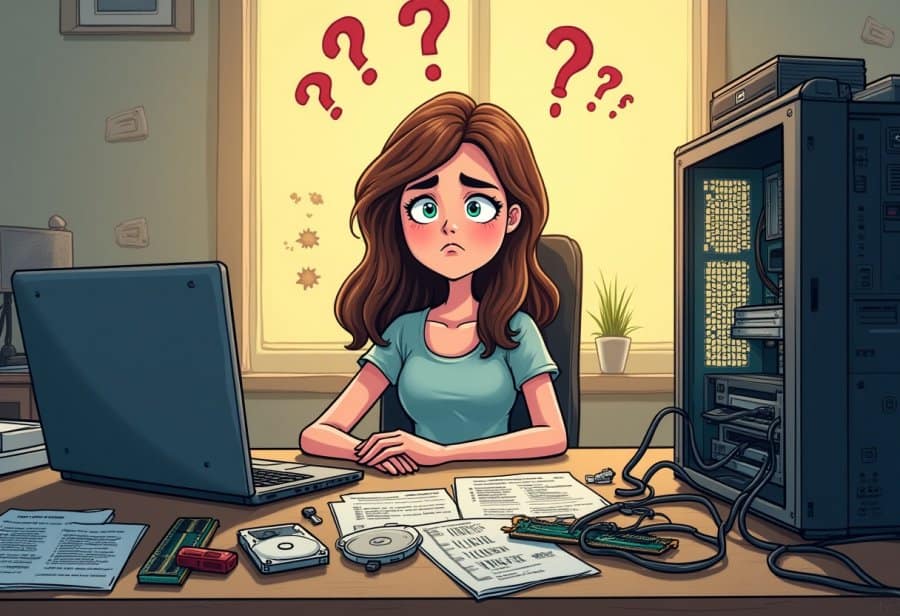
Why Compatibility and Inexperience Fuel Upgrade Disasters
When you dive into a DIY upgrade, one of the biggest sources of chaos is hardware incompatibility. No matter how much research you do, surprises still pop up—like a new graphics card that’s just a few millimeters too long for your case or RAM modules that aren’t supported by your motherboard. These mismatches turn what should be a quick swap into a frustrating puzzle, forcing you to rethink your entire setup or scramble for workaround solutions. It’s a reminder that even with careful planning, hardware and compatibility issues can derail your plans in the blink of an eye.
Lack of experience also plays a major role in turning upgrades into comedy of errors. Many people jump into DIY projects without fully understanding their hardware or troubleshooting basics. This often leads to simple mistakes, like installing components in the wrong sockets or misreading voltage requirements. Overlooking grounding precautions or mishandling sensitive parts can cause damage or malfunctions, adding layers of frustration. These slip-ups slow down progress and often become funny stories later—proof that learning as you go can be messy but part of the process.
Manuals and guides, often written in dense technical language, can add to the chaos rather than clarify it. Holding a manual upside down, flipping between multiple guides, or misinterpreting diagrams quickly turns straightforward steps into guessing games. Using the wrong tools or rushing through instructions can strip screws, bend delicate pins, or damage parts altogether. It’s like trying to assemble alien machinery with instructions in a foreign language, each step testing your patience and sense of humor.
Tools—or the lack of the right ones—compound the problem. Many manuals don’t specify which screwdriver or anti-static wristband you need, forcing you to rummage through drawers to find something suitable. Using the wrong screwdriver can strip screws or damage sensitive components, making the task even more frustrating. Bouncing between instructions and tools, trying to keep everything straight, often feels like a test of agility and patience, especially when you’re already tired.
When things go wrong, panic can set in fast. You might realize a component has shifted or a cable isn’t plugged in correctly at the worst possible moment. Fingers fumble, eyes widen, and your carefully planned upgrade turns into a slapstick scene. Searching for a dropped screw or trying to fish out a tiny part from inside the case becomes a mini adventure filled with exasperation and laughs. These moments, while frustrating in the moment, often become funny stories you’ll tell later—proof that nobody’s immune to the chaos of DIY tech work.
Unexpected glitches or quirks after an upgrade only add to the chaos. Maybe your new graphics card causes strange visual artifacts, or a misaligned component makes fans spin at odd speeds. These surprises, though irritating, inject humor into the process and turn a routine upgrade into a memorable story. They remind us that technology isn’t always predictable, but each hiccup is an opportunity to learn, adapt, and maybe even chuckle at the unexpected twists along the way.
In the end, a lot of the chaos stems from the simple reality that hardware doesn’t always cooperate. Whether it’s incompatible parts, missing tools, or overlooked details, these issues are part of the journey. They force you to think creatively, stay patient, and sometimes accept that perfection isn’t the goal—progress is. Each problem you solve builds resilience and adds to your growing confidence, transforming frustration into a badge of experience.
The unpredictability of DIY upgrades underscores that this process isn’t just about hardware—it’s about patience, problem-solving, and a sense of humor. Embracing the mess, rather than fighting against it, makes the whole experience more rewarding. Every mistake becomes a lesson, and every surprise a story worth sharing. In the end, it’s these chaotic moments that make upgrading your own tech memorable, fun, and genuinely rewarding.
Navigating the Wild Ride of DIY Tech Challenges
The chaos that comes with DIY upgrades might seem overwhelming at first, but it actually plays a crucial role in the learning process. Every tangled cable, misplaced component, or unexpected glitch becomes a stepping stone toward greater understanding. Instead of viewing mistakes as setbacks, seeing them as opportunities to learn helps build patience and confidence. Over time, these small frustrations transform into valuable skills—each problem you solve makes the next one easier to handle. Embracing the mess turns the process into a journey of growth rather than a tedious chore.
This chaos also injects a sense of fun into what might otherwise feel like a frustrating task. When you accept that errors and surprises are part of the experience, the process becomes more like an adventure. Troubleshooting a stubborn cable or fixing a misaligned part sparks creativity and resourcefulness. These moments push you to think on your feet and adapt quickly, teaching skills that extend beyond just upgrading your computer. Instead of dreading the mess, you start to see it as integral to the process, making each success even sweeter.
Leaning into the chaos helps you stay motivated, even during setbacks. When things don’t go smoothly, it’s easy to get discouraged, but shifting your mindset makes a difference. Recognizing that mistakes are normal and part of the learning curve makes the journey less daunting. Each time you untangle a wire or figure out why a part isn’t fitting, you gain confidence. These small victories reinforce the idea that you’re capable of handling challenges, no matter how chaotic they seem at first glance.
The unpredictability of DIY upgrades encourages resilience. Every problem—whether it’s a dropped screw or a stubborn connector—tests your patience and problem-solving skills. Overcoming these hurdles boosts your confidence and prepares you for future projects. It’s a reminder that progress often comes through trial and error, and that setbacks are just part of the process. The chaos becomes a badge of growth, proof that you’re learning to navigate the unpredictable world of tech.
Furthermore, the messiness fosters creativity. Sometimes, a component needs a different slot, or a cable isn’t long enough, forcing you to improvise. These moments of improvisation not only solve immediate issues but also develop your ability to think outside the box. Each hurdle you face through resourcefulness and adaptability adds to your sense of achievement. It shows that in tech—and in life—flexibility and problem-solving lead to success, even amid chaos.
The stories that emerge from these chaotic moments are what make the experience memorable. A misstep like installing a component upside down or discovering a screw in the case becomes a funny story you’ll laugh about later. Sharing these tales fosters a sense of community and relatability, reminding everyone that even seasoned DIYers encounter surprises. These stories turn frustration into humor and mishaps into memories, making the whole process more human and approachable.
Finally, embracing the chaos transforms what might seem like disasters into valuable lessons. Each mistake or unexpected challenge deepens your understanding and patience. It’s about accepting that perfection isn’t the goal—progress is. This mindset makes the journey enjoyable, even during the most frustrating moments. The chaos, once seen as a hurdle, becomes an essential part of the learning adventure—one that’s both rewarding and fun.

Embracing the Mess: Lessons and Laughter in Upgrading Your PC
Looking back at your DIY upgrade adventures, it’s clear that the chaos wasn’t just a headache—it became a vital part of the learning process. Every tangled wire, misplaced component, or unexpected glitch turned into a lesson in patience and problem-solving. Over time, these moments of chaos built your confidence, proving that mistakes aren’t setbacks but stepping stones. Embracing the mess made the entire experience more rewarding, transforming frustration into a sense of achievement and stories worth sharing.
The humor that arises from these mishaps isn’t just about laughs; it shifts your perspective. Accepting that errors are inevitable lightens the mood and makes the process feel less intimidating. A screw dropping into the case or a cable plugged into the wrong port quickly become stories of perseverance and humor—reminders that perfection isn’t the goal, progress is. These moments help demystify the tech world, making it more approachable and less daunting for anyone taking on their own upgrades.
As you navigate these challenges, you develop resilience. Each problem you solve—whether it’s untangling a stubborn cable or figuring out why a component isn’t compatible—boosts your confidence. This resilience turns upgrades from intimidating tasks into opportunities for growth. The chaos, while sometimes overwhelming, becomes a badge of experience, proof that you can handle surprises and adapt on the fly. It’s a reminder that in tech and in life, flexibility and perseverance lead to success.
The unpredictable twists and turns along the way also highlight the importance of staying creative. Sometimes, a component needs a different slot, or a cable isn’t long enough—improvisation becomes part of the process. These moments of quick thinking and resourcefulness not only solve immediate issues but also strengthen your problem-solving skills. Each hurdle you overcome through adaptability adds to your sense of achievement and confidence that you’re capable of handling whatever comes next.
These chaotic moments forge stories that stay with you long after the upgrade is complete. A misstep like installing a component upside down or fishing out a tiny screw inside the case becomes a funny memory to share. They remind us all that even experienced DIYers face surprises—sometimes frustrating, sometimes hilarious—but always part of the adventure. These stories make the journey more human, more relatable, and more memorable.
In the end, embracing the chaos transforms what could be seen as disasters into valuable lessons. Each mistake, each surprise, deepens your understanding and patience. It’s about accepting imperfection as part of the process—seeing setbacks not as failures but as opportunities to learn and grow. This mindset keeps the journey enjoyable, turning frustration into fun and mishaps into stories that celebrate your resilience. The chaos becomes not just a hurdle but a signature of your progress, proof that the best upgrades come with a little mess—and a lot of laughs.