Step into the sacred space of the backyard garage, where passion, craftsmanship, and patience converge to breathe new life into vintage machines. This hidden sanctuary isn’t just a workshop; it’s a reflection of personal dedication, resourcefulness, and a love for mechanical artistry. As enthusiasts disassemble, restore, and fine-tune relics of automotive history, they transform rusted remnants into shining symbols of perseverance. But what secrets lie behind this ritual of revival? How does a humble garage evolve into a community of shared knowledge and tradition, passing down skills through generations? With modern tools, online communities, and inventive spirit, backyard mechanics are redefining restoration—blending heritage with innovation. This ongoing movement isn’t merely about fixing cars; it’s about preserving stories, embracing resilience, and inspiring a new wave of creators. Can the quiet magic of these personal workshops continue to ignite passion and revive history in an ever-changing world?
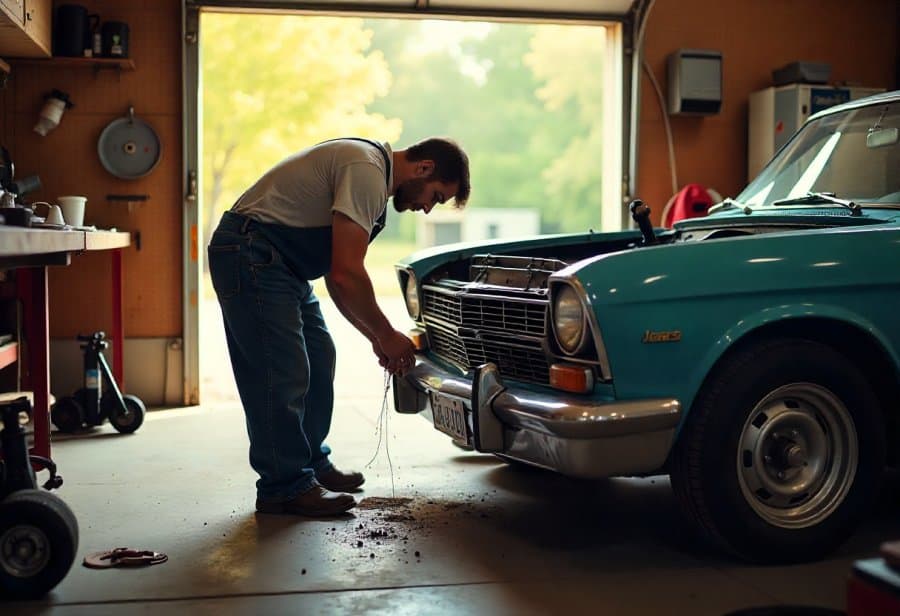
Discover the Sanctuary of Passion in Your Backyard Garage
There’s something uniquely satisfying about working in a backyard garage. It’s more than just a space filled with tools and car parts; it’s a personal sanctuary where craftsmanship and passion come together. These garages often become retreats for enthusiasts, a quiet corner where hours slip by as they tune engines, restore vintage vehicles, or simply tinker in peace. It’s in these moments of focus that patience pays off—whether it’s the satisfying click of a bolt or the roar of a freshly revived engine. For many backyard mechanics, this space reflects their dedication and deep love for machines, transforming everyday surroundings into workshops of creativity and care.
A backyard garage isn’t just about storing cars or tools—it’s a reflection of personality. Walls are lined with pegboards holding wrenches, screwdrivers, and essentials, all within easy reach. The floor, often stained with oil and scattered nuts and bolts, tells stories of countless hours spent under the hood. This isn’t a professional shop; it’s a personal haven where focus and imagination flourish without distraction. It’s a space built for tinkering, experimenting, and restoring—where a simple shed becomes a craftsman’s retreat.
Restoring vintage cars in this setting is about more than fixing mechanical parts; it’s a personal ritual. Each disassembly, cleaning, and reassembly feels like a dance of patience and precision. Enthusiasts develop a bond with their projects, breathing new life into battered frames and engines that carry stories from the past. This process becomes a journey of transformation, where every bolt turned and gasket fitted is a small victory. It’s a hands-on act of preservation, turning rusted relics into shining examples of craftsmanship.
The passion that drives this work is rooted in a long-standing tradition of self-reliance. For decades, backyard mechanics have turned modest garages into workshops that preserve automotive history—one project at a time. This grassroots approach embodies independence, creativity, and a love for vintage machines. Over the years, the garage has become more than a workspace; it’s a symbol of perseverance and ingenuity, inspiring communities and keeping the craft alive despite modern challenges.
This space also fosters a community of shared knowledge. Many mechanics learn through trial and error, online tutorials, and local meetups, passing down tips and stories that keep the tradition thriving. Restoring a vintage vehicle connects generations, transforming a solitary hobby into a collective effort. These stories highlight that the backyard garage isn’t just a workshop—it’s a cultural hub where patience, resourcefulness, and passion create a lasting legacy.
How Backyard Mechanics Preserve Automotive History and Culture
The tradition of backyard mechanics runs deep in many communities, embodying a spirit of independence and hands-on craftsmanship that has stood the test of time. For decades, enthusiasts have transformed simple garages and driveways into personal workshops, playing a vital role in preserving automotive history one project at a time. This grassroots approach to car repair is more than just fixing vehicles; it’s a mindset rooted in problem-solving, resourcefulness, and a genuine passion for vintage machines. Over the years, the backyard mechanic has become a cultural icon representing perseverance and ingenuity, especially as professional repair shops and mass-produced vehicles became more dominant.
This DIY spirit has roots in a time when owning and maintaining your own vehicle was a source of pride. Before the rise of specialized garages, many car owners relied on neighborhood mechanics or their own skills to keep their rides running. As interest in vintage cars grew, so did the desire to restore and preserve these machines. Today, accessible tools, online tutorials, and thriving communities make it easier than ever for enthusiasts to learn, share, and carry on this tradition. Many backyard garages are personalized spaces filled with handmade signs, vintage posters, and a mix of old and new tools, each telling a story of individual passion.
Milestones in automotive history helped shape this hobby, especially during the mid-20th century. The availability of affordable tools empowered amateurs to undertake complex repairs, turning garages into full-fledged workshops. The surge in vintage car rallies and restoration shows in the 60s and 70s further fueled enthusiasm, inspiring hobbyists to pursue authentic restorations. In recent decades, the internet has democratized access to parts, tutorials, and expert advice from around the world, allowing even beginners to achieve professional-looking results from their own driveways.
Influential figures and media have also played a significant role in maintaining this movement. Vintage car collectors and DIY advocates have demonstrated that restoring old machines is both feasible and deeply rewarding. Online forums, social media channels, and local meetups foster a vibrant community that shares tips, successes, and setbacks. This collective effort strengthens the cultural significance of backyard restoration, blending history with modern ingenuity, and keeping the craft alive through shared passions.
Spotlighting these stories in TV shows, documentaries, and social media has broadened appreciation for the skill and patience involved. These narratives highlight that working on vintage cars isn’t merely a hobby—it’s an art form rooted in resilience, creativity, and a love for engineering marvels. They inspire others to see their garages as spaces of possibility, where dedication turns neglected relics into shining examples of mechanical revival. Today’s backyard mechanics carry forward a legacy of craftsmanship, ingenuity, and community that continues to thrive amidst changing times.
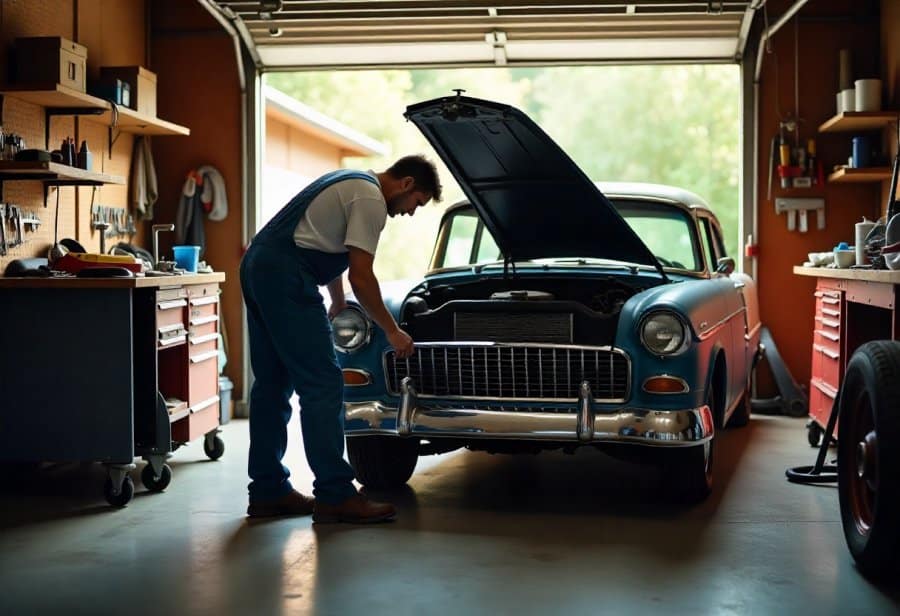
Core Principles: Craftsmanship, Preservation, and Mechanical Love
At the core of garage restoration lies a deep respect for craftsmanship. For backyard mechanics, working on vintage cars isn’t just about making them run—it’s about doing every detail right. This commitment transforms routine repairs into acts of art, where each bolt, weld, or coat of paint reflects patience and skill. Through hands-on practice and a willingness to learn from mistakes, hobbyists develop an intuitive feel for quality work, turning simple tasks into meaningful achievements.
Preservation is equally vital in this craft. Many enthusiasts see their projects as a way to safeguard automotive history. Restoring a vintage vehicle isn’t just fixing what’s broken; it’s about protecting stories, engineering marvels, and craftsmanship from the past. Respect for original parts and authentic materials guides these efforts, aiming to maintain the vehicle’s integrity while ensuring it lasts for years to come. This focus on preservation keeps the connection to automotive heritage alive, passing it down through generations of passionate restorers.
Mechanical love fuels the passion behind every project. For many, their vehicle becomes more than just a machine—it’s a symbol of dedication and a personal story. Understanding how each part works together fosters a bond that turns technical work into a personal journey. Whether tuning an engine or fabricating a custom part, this love for mechanics inspires patience and curiosity. It’s about seeing beyond the metal and rubber to the craftsmanship and ingenuity embedded in each vehicle.
Mastering different systems—engine, transmission, electrical—raises the bar for backyard restorers. A solid grasp of mechanics allows hobbyists to diagnose problems accurately and execute repairs confidently. This knowledge transforms a neglected relic into a reliable, well-tuned machine, turning frustration into satisfaction. Every successful fix adds a chapter to a larger story of perseverance, skill, and passion, reinforcing the idea that restoration is as much about learning as it is about fixing.
Resourcefulness is a hallmark of true craftsmanship. Challenges like rust, scarce parts, or outdated wiring push hobbyists to think creatively. Many turn to salvage yards, online communities, or even fabricate parts themselves. These improvisations aren’t just workarounds—they’re integral to the craft, turning obstacles into opportunities for growth. This inventive spirit demonstrates that patience and ingenuity are just as important as technical skill, keeping the flame of restoration alive and evolving.
Ultimately, garage restoration is more than a hobby; it’s a celebration of dedication, creativity, and love for vintage engineering. It’s about transforming rust into revival and stories into legacy. The craftsmanship, preservation, and mechanical passion woven into each project reflect a timeless desire to keep history alive—one bolt, one engine, and one restored vehicle at a time.
Practical Tips and Real-World Stories of Restoring Classics
Working on a backyard restoration project is as much about hands-on learning as it is about passion. Take the story of a hobbyist who discovered a neglected 1960s Mustang sitting in a neighbor’s driveway. Over several months, he meticulously disassembled the car, carefully removing rusted panels and sourcing replacement parts. Documenting each step with photos and notes kept him organized and helped troubleshoot issues later. Simple techniques like wire brushing away rust or applying rust converter turned daunting tasks into manageable steps, making the process accessible even for beginners.
Restoration isn’t always smooth sailing. Obstacles like missing bolts, broken parts, or electrical glitches can seem overwhelming at first. But these setbacks teach patience and problem-solving. For instance, when original parts are scarce, many turn to salvage yards or online marketplaces for replacements, or even fabricate parts themselves. This resourcefulness becomes a vital skill, transforming frustrations into opportunities for growth and innovation. Every small fix fuels a sense of accomplishment that drives the project forward and deepens the connection to the vehicle.
A dedicated garage becomes more than just a workspace—it’s a retreat from daily stress. The hum of an engine, the smell of oil and gasoline, the tactile feel of metal under your hands create a calming atmosphere. Hours spent rebuilding an engine or reupholstering seats provide a satisfying flow that helps clear the mind. This space offers a break from screens and deadlines, allowing focus and creativity to flourish. Each task completed, whether installing a new gasket or polishing a fender, feels like a step closer to revival.
Take, for example, a vintage Ford Mustang left abandoned in a backyard. Over months, its owner disassembled the car, removed rust, and sourced parts through online communities. Rebuilding the engine, restoring the body, and reupholstering the interior turned the neglected relic into a shining symbol of vintage revival. Such projects highlight how patience, resourcefulness, and a bit of creativity can turn rust into revival, making every step rewarding.
Getting started doesn’t require a fortune or professional tools—just basic equipment like socket sets, screwdrivers, wire brushes, and a sturdy jack. Safety gear such as gloves, goggles, and masks are just as important. Online tutorials, forums, and restoration guides offer invaluable guidance, helping troubleshoot complex procedures. Watching videos of similar projects can boost confidence and provide practical tips, making even complex restorations feel achievable.
Focusing on one task at a time and gradually expanding your toolkit helps turn daunting projects into manageable challenges. For instance, learning how to remove and replace a carburetor or fix an electrical issue step-by-step builds confidence and skill. Many hobbyists find that working on small, achievable goals keeps motivation high and prevents feeling overwhelmed.
The beauty of backyard restoration lies in its emphasis on resourcefulness and patience. Challenges like sourcing authentic parts or dealing with rusted components test ingenuity, but they also deepen the satisfaction of the craft. Every obstacle overcome adds to a growing sense of mastery and pride. This approach turns a garage into a personal laboratory of discovery, where every small victory nurtures passion and skills.
In the end, hands-on restoration is about more than fixing cars; it’s a journey of creativity, perseverance, and love for vintage engineering. Each project, no matter how big or small, contributes to a legacy of craftsmanship that continues to inspire. With patience and resourcefulness, backyard mechanics turn rusted relics into restored masterpieces, proving that with dedication, anyone can revive a piece of automotive history in their own garage.
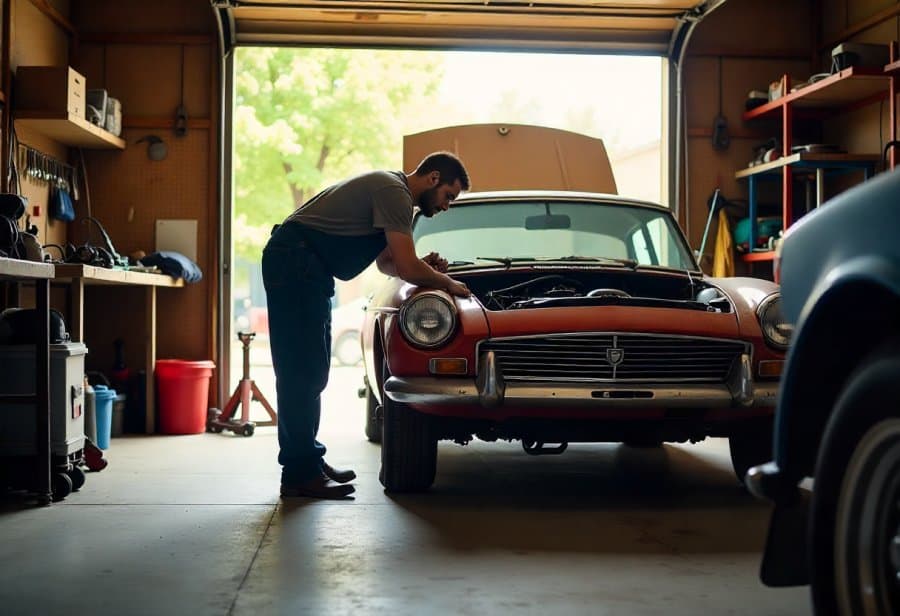
The Future of Backyard Restoration: Innovation, Community, and Legacy
The future of backyard restoration is brighter than ever, driven by both technological advancements and a renewed appreciation for craftsmanship. Modern tools, affordable materials, and a wealth of online resources have lowered barriers, enabling more enthusiasts to take on projects that once seemed out of reach. This blend of tradition and innovation keeps the passion alive, inspiring hobbyists to push creative boundaries while honoring the roots of mechanical craftsmanship.
Digital platforms—forums, tutorials, and marketplaces—connect backyard mechanics worldwide, making knowledge sharing easier and more accessible. Whether sourcing rare parts or learning new techniques, these communities foster a spirit of collective growth. As a result, even beginners can achieve impressive results, turning their driveways into personalized workshops of ingenuity and pride. New technologies like 3D printing and eco-friendly restoration methods are opening up fresh possibilities, allowing for custom fabrication and sustainable projects that blend vintage charm with modern performance.
Despite challenges like sourcing authentic parts or dealing with rust, the resilience of this movement remains strong. Each successful restoration adds to a collective legacy rooted in resourcefulness and patience. These projects are more than just fixing old cars—they are acts of preservation, storytelling, and cultural pride. The backyard mechanic’s dedication keeps automotive history alive, passing down a craft that embodies independence and ingenuity.
The community surrounding backyard restoration continues to grow, extending across generations and borders. Sharing successes and setbacks, enthusiasts foster a supportive environment that nurtures new talent and keeps the craft vibrant. These stories of revival and perseverance resonate, reminding us that restoring vintage cars is about more than the machines—it’s a celebration of resilience, creativity, and love for engineering marvels.
Looking ahead, the landscape promises even more exciting developments. As tools become smarter and more affordable, projects that once seemed impossible are now within reach. The integration of modern technology with traditional skills will encourage experimentation—whether electric conversions, sustainable materials, or advanced diagnostics—keeping the craft fresh and relevant. This ongoing evolution ensures that garage passion continues to thrive, inspiring new generations to roll up their sleeves and craft their own engine love stories.
At its core, this movement is driven by a simple but powerful desire: to keep history alive through patience, skill, and love. Every rusted relic transformed into a shining piece of automotive heritage is a testament to the perseverance and ingenuity of backyard mechanics. Their work embodies a timeless spirit that refuses to fade, inspiring others to see their garages as spaces of possibility and renewal.
In the end, the quiet magic of the garage isn’t just about restoring old machines—it’s about fostering community, nurturing creativity, and preserving a legacy of craftsmanship. As long as there are passionate hands willing to turn wrenches and hearts dedicated to the craft, this tradition will continue to evolve and inspire. The garage remains a sanctuary of passion, where old machines come alive and stories are written anew, generation after generation.