Learning to drive is more than mastering mechanics; it’s an emotional journey of transformation from nerves to confidence. Teens face internal doubts—fear of mistakes, loss of control—which can hinder their sense of independence. Yet, with patience, encouragement, and strategic practice, these fears become stepping stones toward self-assurance. This process not only signifies gaining mobility but also symbolizes personal growth in responsibility and maturity. As teens navigate unfamiliar roads, they learn resilience, decision-making, and safety awareness—traits essential for lifelong independence. The path involves balancing the thrill of freedom with the reality of accountability, often challenging their self-trust and judgment. Practical strategies like setting small goals, relaxation techniques, and supportive tools help turn anxiety into empowerment. But does the road to confidence truly ease their internal struggles, or does it merely prepare them for the ongoing journey of responsible adulthood? This narrative invites readers to explore how driving becomes a metaphor for navigating life’s challenges with courage and resilience.
Transforming Anxiety into Confidence: The Emotional Journey of Teenage Drivers
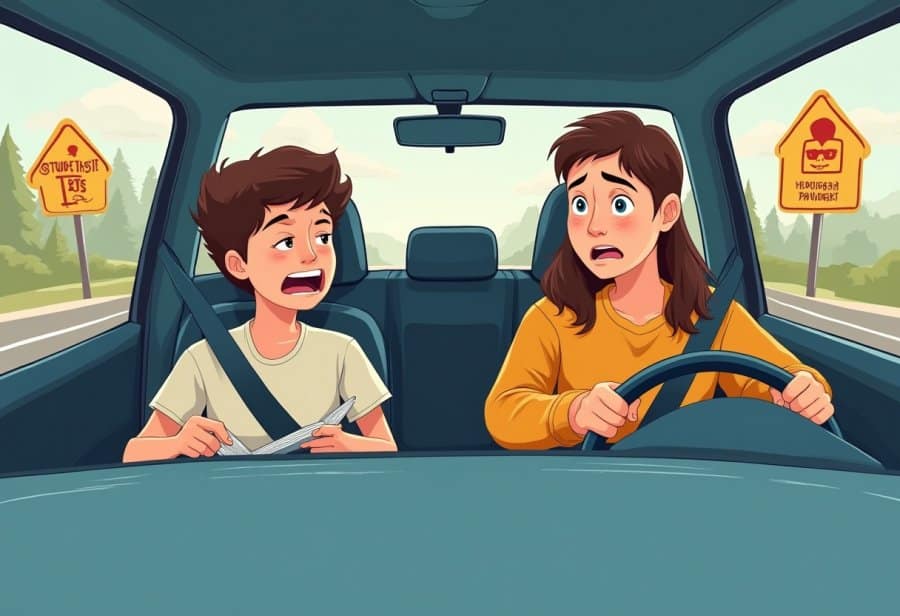
Learning to drive is much more than just mastering the mechanics of steering or memorizing traffic rules; it’s an emotional journey that shapes how teens see themselves and their independence. From those very first lessons, many young drivers experience a mix of excitement and nerves—eager to gain control but wary of making mistakes. These feelings are natural and often a sign of how much they care about doing well. Recognizing this emotional landscape allows parents and instructors to offer better support, transforming anxiety into motivation rather than obstacle.
For many teens, the process involves confronting internal doubts. They worry about hitting something, forgetting rules, or losing control in unfamiliar situations. These fears can cause hesitation and self-doubt, making every drive feel like a challenge. But understanding that such worries are normal can help teens see their fears as part of growth. With patience and encouragement, they learn to manage these feelings and develop a sense of confidence that extends well beyond the car.
Building driving confidence isn’t just about practicing skills; it’s about reshaping how teens view their ability to handle new responsibilities. As they start to believe in their judgment and decision-making, they tend to become calmer and more focused behind the wheel. This shift creates a positive cycle—feeling capable encourages more practice, which further boosts confidence. Over time, this confidence becomes a key ingredient in turning initial nerves into a sense of empowerment and independence.
Supporting teens through this emotional phase requires more than just technical instruction. It’s about creating a safe space where they feel comfortable expressing fears and asking questions. Celebrating small successes, like parking smoothly or merging onto a quiet street, reinforces their belief in themselves. These wins help turn anxiety into pride and motivation, making driving feel less intimidating and more manageable.
Understanding the emotional and psychological aspects of learning to drive can make all the difference. It’s about guiding teens to see their fears not as obstacles but as stepping stones. As they gain experience and confidence, they develop resilience and self-reliance—traits that will serve them well beyond the road. The journey from nerves to confidence is a process of growth, shaping their independence and preparing them for many future milestones ahead.
Driving Toward Freedom: How Learning to Drive Symbolizes Teen Independence
Learning to drive is a major milestone that signifies more than just being able to navigate from point A to B; it’s a powerful symbol of independence. For teens, getting behind the wheel means gaining a new level of freedom—the ability to explore, socialize, and manage their schedules without relying on parents or others. It’s a step into adulthood, where responsibility and self-reliance become more tangible and immediate.
This transition isn’t just about the mechanics of driving but also about the emotional shift. Stepping into the driver’s seat often sparks a mix of excitement and apprehension. The thrill of independence is tempered by fears of making mistakes or losing control. These feelings are natural and reflect the weight of this new responsibility. Building confidence in this area involves more than technical skill; it requires managing these emotional currents and trusting one’s judgment.
Driving as a symbol of independence also carries societal weight. For decades, owning a car has represented freedom, status, and adventure—especially in cultures where mobility opens doors to new opportunities. Today, that symbolism persists but is evolving. Concerns about safety, environmental impact, and technological changes influence how teens perceive what it means to be independent behind the wheel. It’s no longer just about personal freedom but also about responsibility to others and the community.
The road to this independence involves overcoming various challenges. Teens must learn to balance their desire for freedom with the need for caution. Navigating unfamiliar areas, handling traffic, and making split-second decisions test their judgment and self-control. Each driving experience helps shape their understanding of responsibility—learning that independence comes with the need for accountability and careful decision-making.
Furthermore, driving symbolizes trust—trust in their abilities and in the rules that keep everyone safe. Gaining this trust takes time and practice, often requiring patience from both teens and their support systems. As they gradually master driving skills and navigate complex situations, they start to see themselves as capable individuals ready to take on more responsibilities.
This journey is layered with growth opportunities. It teaches resilience, patience, and self-awareness—traits essential not only for safe driving but for managing other aspects of life. The challenges teens face on the road serve as stepping stones, preparing them for future milestones where independence and responsibility will continue to grow.
Ultimately, the transition to driving marks a significant chapter in a teen’s development. It’s about more than just reaching destinations; it’s about discovering their capacity to handle new freedoms with maturity and care. Each mile driven reinforces their emerging identity as responsible, confident young adults ready to face the world with independence.
Empowerment on the Road: Core Principles for Developing Responsible Teen Drivers
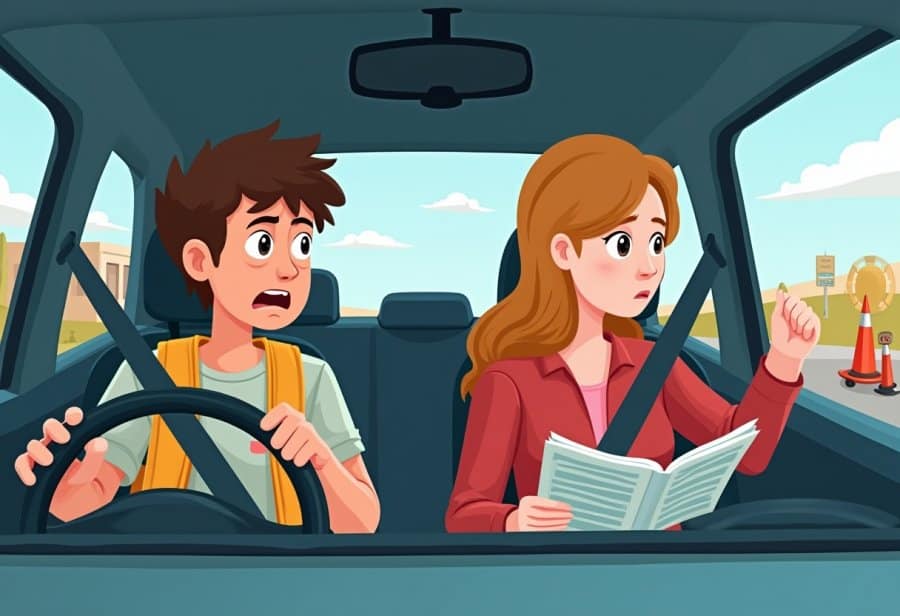
Building teen driver empowerment starts with nurturing key themes like self-efficacy, safety, and responsibility. When teens believe they can handle driving challenges, they’re more likely to stay calm under pressure and make sound decisions. Confidence encourages them to take ownership of their learning process and practice intentionally, which in turn strengthens their skills and deepens their sense of independence.
Safety is at the core of responsible driving. Teens need to see driving as more than a way to get from point A to B; it’s a serious responsibility that affects their well-being and that of others. Respecting traffic laws, staying alert, and avoiding distractions are crucial habits. When teens view safety as a personal duty, they’re motivated to develop good habits—like checking mirrors regularly and resisting the urge to text or take risks. Seeing safe driving as a sign of maturity makes a real difference.
Responsibility extends beyond following rules; it’s about understanding the potential consequences of their actions. Teens must realize that decisions behind the wheel can lead to minor scrapes or life-changing accidents. Fostering this sense of accountability helps build good judgment, encouraging cautious behavior. When teens feel responsible, they’re more inclined to see safe practices as part of their identity as drivers.
Building confidence involves helping teens trust their abilities. When they see themselves as capable and in control, panic in stressful situations diminishes. This mental shift makes learning and driving more positive. Confidence isn’t about fearlessness but about trusting their skills and knowing they can handle what comes their way.
Normalizing mistakes as part of growth is essential. Recognizing errors as natural reduces fear and encourages risk-taking within safe limits. Positive reinforcement from parents and instructors plays a vital role, reminding teens that progress is measured by effort and learning, not perfection. This mindset fosters resilience and a growth-oriented attitude that’s key for developing empowered, responsible drivers.
Supporting teens also means emphasizing ongoing learning and self-awareness. Reflecting on their experiences helps them recognize strengths and identify areas for improvement. This habit builds resilience and keeps motivation high. When teens understand that confidence develops gradually through practice, they’re more likely to stay committed and positive.
Ultimately, fostering teen driver empowerment requires a balance of encouragement, guidance, and patience. When teens believe in their capacity to handle driving challenges and see safety as integral to their independence, they grow into confident, responsible drivers. These lessons extend beyond the road, shaping their ability to face future life challenges with resilience and maturity.
Turning Nerves into Confidence: Practical Strategies for Teens Behind the Wheel
Transforming nerves into confidence behind the wheel takes deliberate, manageable steps. One effective approach is setting small, achievable goals that build a sense of accomplishment. For example, mastering parking in an empty lot or driving a short route on quiet streets creates tangible successes. These moments reinforce a teen’s belief in their abilities, gradually reducing anxiety with each victory.
Incorporating relaxation techniques like deep breathing or mindfulness before and during drives can significantly calm racing thoughts. Taking a few deep breaths helps release physical tension and sharpens focus, making it easier to stay present and make clear decisions. Approaching driving with a calm mindset helps teens remain composed during stressful moments, fostering a more confident attitude over time.
Gradually exposing teens to more complex scenarios also boosts confidence. Starting in familiar, low-traffic areas and slowly progressing to busier streets or highways allows them to build comfort at their own pace. This step-by-step approach prevents overwhelm and helps develop mastery over different driving conditions, making each new challenge feel less intimidating.
Positive reinforcement plays a crucial role in confidence-building. Praising teens for their efforts—no matter how small—encourages them to keep trying and view setbacks as part of growth. Celebrating progress shifts focus away from mistakes, reinforcing the idea that improvement comes through persistence. Reflecting on what went well and what can be improved encourages a growth mindset, essential for ongoing development.
Visualization techniques also help transform nerves into confidence. Before driving, teens can imagine themselves navigating routes smoothly and handling tricky maneuvers confidently. This mental rehearsal primes their brain for success, reducing nerves and increasing preparedness. Combining visualization with real-world practice creates a powerful foundation for self-assurance behind the wheel.
Consistency is key. Regular practice, even in brief sessions, helps reinforce skills and gradually builds a sense of control. The more familiar teens become with different driving scenarios, the more their confidence grows. Over time, what once felt overwhelming becomes routine, and nerves give way to a genuine belief in their ability to handle the road.
By integrating these strategies—small goals, relaxation, gradual exposure, positive feedback, visualization, and regular practice—teen drivers can turn anxiety into a steady, confident presence behind the wheel. This process isn’t about eliminating nerves entirely but about learning to manage and channel them into focused, empowered driving. The result is a safer, more self-assured teen ready to navigate their journey toward independence.
Supporting Tools and Resources to Boost Teen Driving Confidence
There are a variety of tools and resources today that can give teens that extra boost in building confidence behind the wheel. Mobile apps like DriveWell and TeenDrivingPlan make learning engaging by offering interactive lessons, quizzes, and tracking progress. These features turn practice into a game, helping teens reinforce good habits and stay motivated during their journey to becoming confident drivers. Using these apps alongside regular practice creates a comprehensive system that supports steady growth.
Online courses from organizations like AAA and the DMV provide accessible, bite-sized modules covering everything from basic vehicle controls to advanced safety techniques. Teens can learn at their own pace, reducing anxiety and making the process feel less overwhelming. These resources also serve as handy references when questions arise during practice, helping teens feel more prepared and capable when they get behind the wheel.
Driving simulators and virtual reality programs have become increasingly popular as safe, risk-free ways to expose teens to various driving scenarios. These platforms allow them to experience merging onto busy highways, handling tricky weather, or navigating unfamiliar roads—all from a controlled environment. This exposure builds familiarity and confidence, especially in situations that might seem intimidating in real life, helping teens stay calm and focused.
Many local driver education programs now include specialized workshops or coaching sessions designed specifically to foster teen confidence. These often involve personalized feedback, scenario-based exercises, and one-on-one instruction, making them especially effective for addressing individual fears. Participating in such programs complements daily practice and provides a supportive space for teens to learn and grow.
Parents also play a key role by utilizing helpful guides, checklists, and monitoring tools that track driving behavior. Apps that provide feedback on speed, braking, and cornering help parents identify areas where their teens might need extra practice. This ongoing support fosters a positive environment, encouraging responsible habits and reinforcing the importance of safety behind the wheel.
Books and workbooks designed for teen drivers add an extra layer of support. These often include practical exercises, relatable stories, and tips for overcoming common fears. Reading about others’ experiences or expert advice normalizes nerves and emphasizes that confidence is built gradually over time. When paired with actual driving practice, these resources deepen understanding and boost motivation.
All these tools aim to do more than teach driving skills—they’re designed to cultivate a sense of empowerment and safety. Combining digital apps, virtual tools, formal courses, and supportive guides creates a well-rounded approach that helps teens turn nerves into genuine confidence, setting the stage for a lifetime of responsible driving.
Guiding the Next Generation: Steps to Foster Safe, Confident Teen Drivers for Life
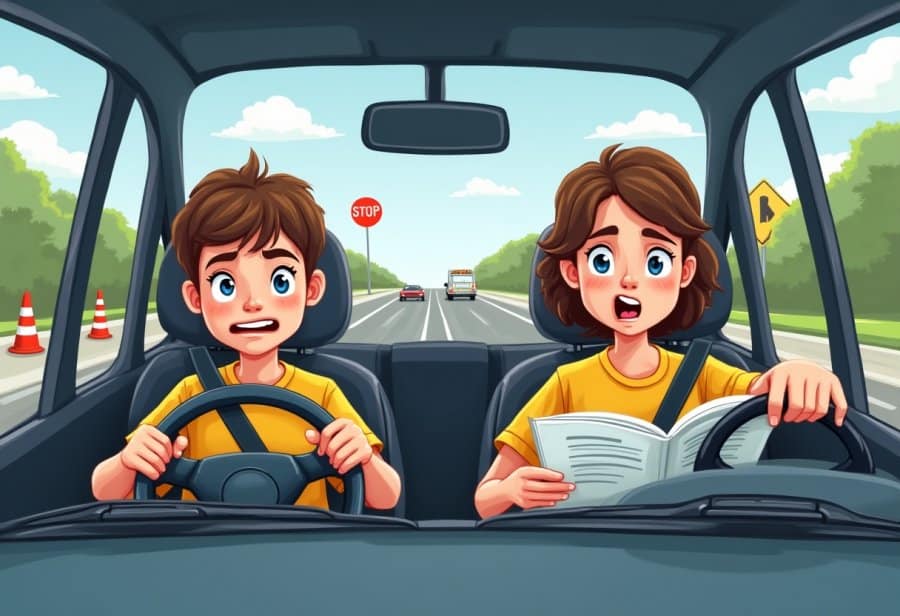
Building the journey from nervous teen driver to confident, responsible individual takes patience, consistent effort, and steady support. Setting achievable goals together helps teens recognize their progress, fostering a growth mindset that keeps motivation alive. Confidence isn’t built overnight; it forms through repeated practice, learning from mistakes, and celebrating small wins along the way.
Balancing independence with safety remains crucial. While teens need space to develop their skills, ongoing guidance and open communication build trust. Listening to their concerns, offering constructive feedback, and acknowledging their efforts create a supportive environment that encourages responsible decision-making behind the wheel. This ongoing dialogue helps reinforce positive habits and a sense of accountability.
Encouraging teens to explore additional resources—whether through apps, driver education programs, or practice scenarios—strengthens their skills and confidence. The more diverse the experiences they encounter, the better prepared they’ll be to handle real-world driving challenges. Staying proactive about learning signals maturity and a commitment to safe, responsible driving.
Reflecting regularly on their driving experiences fosters self-awareness and resilience. When teens think about what strategies worked, where they still feel uncertain, and what they’ve learned, they deepen their understanding and build confidence. This habit transforms driving into more than just a skill—it becomes a part of their evolving identity as capable, independent young adults.
The road ahead is filled with opportunities for growth. Every mile driven is a chance to develop patience, decision-making, and self-control—traits that extend into other areas of life. With continued effort, support, and reflection, nerves will gradually give way to genuine confidence. This process sets the foundation for lifelong safe driving habits and personal resilience.
Parents and teens should view this journey as a shared adventure. Celebrating milestones, no matter how small, reinforces progress and encourages persistence. Recognizing that confidence develops through experience and perseverance helps keep both sides motivated and focused on long-term success.
Ultimately, the goal is to nurture responsible, self-assured drivers who understand that independence comes with responsibility. By maintaining open lines of communication, providing ongoing encouragement, and fostering a positive mindset, parents can help teens navigate this transition smoothly. They will emerge not only as better drivers but as more confident, resilient individuals ready to face future challenges.
Every step taken in this process contributes to shaping well-rounded, capable adults. The skills and attitudes developed behind the wheel—patience, responsibility, resilience—are invaluable life lessons. With continued support and a focus on growth, teens will carry the confidence they’ve built into many more milestones ahead, ready to embrace the road and life with assurance.