In an era where seamless communication is no longer optional but essential, how can businesses harness the power of customizable telephony solutions to elevate their network efficiency? Grandstream’s innovative devices, especially the scalable GRP series, stand at the forefront of this transformation, offering crystal-clear audio, flexible features, and centralized cloud management. These tools enable organizations to tailor their communication systems—streamlining workflows, supporting remote teams, and expanding effortlessly—while reducing operational complexity. Yet, as the digital landscape evolves rapidly—with cloud platforms, AI-driven features, and robust security—are current solutions prepared for the future’s demands? This guide explores deploying personalized telephony, emphasizing phased implementation, network readiness, and ongoing management, to build a resilient, adaptable communication infrastructure. The promise of smarter, more secure, and integrated systems pushes organizations to rethink traditional voice solutions—are you ready to harness this future for your business’s growth and competitive edge?
Contents
Elevate Your Business Communications with FiberConX’s Reliable VoIP Solutions
Discover how Business VoIP from FiberConX Communications can transform your company’s communication infrastructure in Canada. Specializing in VoIP & IP Business phone services, FiberConX offers comprehensive features such as voicemail, IVR, Ring Groups, and voicemail-to-mail, ensuring seamless and professional communication. Whether you’re looking to enhance customer interactions or streamline internal calls, their tailored solutions are designed to meet your business needs. Contact FiberConX today at 1.416.945.9210 or email [email protected] to learn more about their reliable and scalable VoIP services.
Transform Your Business Communications with Customizable Telephony Solutions
In today’s fast-moving business landscape, effective communication isn’t just a nice-to-have—it’s essential. Modern telephony has transformed far beyond simple voice calls, integrating video, instant messaging, and contact management into a unified system that keeps teams connected and productive. As organizations expand and their workflows become more complex, the need for flexible, customizable communication solutions grows stronger. Tailoring these systems ensures that technology supports daily operations rather than hindering them.
Customizable telephony systems are about more than just adding features—they’re about creating an experience that fits your business perfectly. When you can fine-tune your communication tools, you streamline workflows, reduce manual tasks, and improve call management. This level of adaptability helps remote teams and multiple office locations stay connected seamlessly, ensuring that everyone has the right tools to do their best work.
Off-the-shelf solutions often fall short for growing businesses with unique needs. Customization allows organizations to incorporate specific features like call routing tailored to customer service, contact lists optimized for quick access, or conferencing setups designed for collaboration. These tailored features don’t just improve efficiency—they boost overall satisfaction by fitting the tools to users’ roles and preferences.
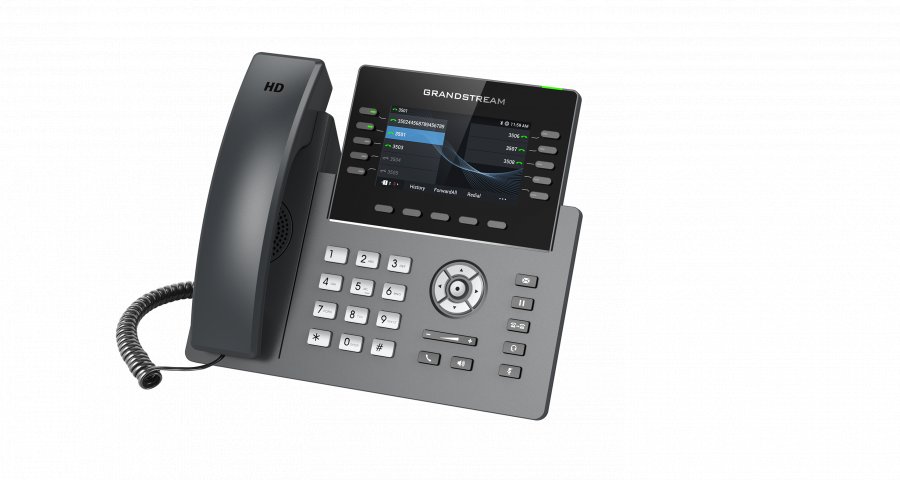
Leading the charge in this space are solutions from companies like Grandstream, whose devices support extensive customization. Their IP phones, especially the GRP series, are built to handle large-scale deployments while maintaining high performance and intuitive usability. Whether managing hundreds of devices across a vast enterprise or deploying a small team’s system, these devices offer scalability, crystal-clear audio, and user-friendly interfaces that make everyday communication effortless.
The benefits of personalized telephony systems become even more apparent as your organization grows. Custom setups enable quick adaptations to new challenges, expansion without disruption, and better service delivery to your customers. As digital communication continues to evolve, having a flexible, tailored infrastructure is no longer a luxury—it’s a strategic necessity that drives growth and competitiveness.
By embracing customization, businesses can transform their communication channels into powerful assets. They can respond swiftly to changing needs, expand their systems smoothly, and create a cohesive environment that fosters collaboration and efficiency. In this digital age, a well-designed, adaptable telephony system isn’t just a tool—it’s a foundation for future success.
Grandstream’s Cutting-Edge Telephony Devices Empower Your Organization
Grandstream offers a wide range of telephony endpoints designed to meet the diverse needs of modern businesses. From simple, feature-rich IP phones to advanced conference devices and even door access systems, their products blend reliability with scalability. The cornerstone of their lineup is the GRP series, crafted specifically for large-scale deployment. These carrier-grade IP phones support hundreds or thousands of units managed through a single platform, making them ideal for enterprises seeking consistency and high performance across multiple locations.
What truly sets Grandstream apart is their focus on flexibility and user experience. Their IP phones come equipped with high-quality audio technology, ensuring crystal-clear conversations even in noisy environments. Features like high-resolution color displays, programmable keys, and multi-line support empower users to handle complex workflows effortlessly. This adaptability allows organizations to customize their telephony environment, whether it’s dedicated lines for sales teams, support staff, or executive offices, boosting productivity and user satisfaction.
Another key advantage is the compatibility of these devices with cloud management platforms such as GDMS. This cloud-based system simplifies deployment and ongoing management by enabling remote configuration, real-time monitoring, and firmware updates. Administrators can oversee large fleets of devices from a centralized dashboard, significantly reducing operational costs and minimizing the risk of misconfiguration. The ability to troubleshoot and update devices remotely ensures that the entire system remains up-to-date and secure, even across widespread locations.
Grandstream’s hardware is built with future-proofing in mind. Regular firmware updates introduce new features and security patches, extending the lifespan of their devices. Their support for Power over Ethernet (PoE) simplifies installation by reducing cable clutter and enabling flexible placement. This seamless hardware-software integration makes their endpoints a dependable foundation for scalable, customized telephony solutions that grow with your business.
For organizations planning mass deployment, the scalability of Grandstream’s devices is a major benefit. Whether managing dozens or thousands of phones, their centralized management capabilities streamline setup, configuration, and maintenance. This scalability ensures that as your organization expands, your communication infrastructure can adapt without requiring significant additional resources, maintaining reliability and performance at every stage.
Finally, the personalization features—such as programmable keys and customizable interfaces—allow users to tailor their devices to their specific roles. Sales teams might prioritize quick access to client contacts, while support staff could configure their phones for instant conferencing or support functions. This level of customization not only enhances efficiency but also makes daily communication more intuitive, helping teams work smarter and with fewer frustrations.

Deploy Tailored Telephony Systems That Boost Efficiency and Scalability
Deploying a personalized telephony system starts with a clear understanding of your business’s specific communication needs. Take time to analyze your current workflows, call volumes, and whether your team operates remotely or on-site. Identifying essential features like call routing, conference capabilities, and contact management helps you select hardware and configurations that align with your operational goals. Choosing devices that fit seamlessly into your existing processes simplifies deployment and sets a solid foundation for future scalability.
A reliable network infrastructure is crucial for maintaining high-quality VoIP calls. Ensure your bandwidth can handle increased traffic, and implement Quality of Service (QoS) rules to prioritize voice data. Segmenting voice traffic on separate VLANs prevents interference and enhances call clarity during busy periods. Regularly reviewing and updating your network equipment keeps performance optimal, reducing latency and minimizing disruptions. A strong, well-configured network ensures your telephony system functions smoothly, even as your organization expands.
Planning your deployment in phases makes the process more manageable and minimizes operational disruption. Starting with a small pilot group allows you to test configurations, gather feedback, and troubleshoot issues early. Using cloud management platforms like GDMS simplifies this process further by enabling remote configuration, centralized management, and real-time monitoring. This approach reduces the need for on-site visits, accelerates deployment, and ensures consistent settings across multiple locations, making scaling easier.
Configuring each device accurately is key to reliable performance. Access devices through web interfaces or centralized management tools to input SIP server details, assign extensions, and customize features like call forwarding and speed dials. Keeping firmware updated ensures security and access to new features. Testing each device thoroughly before going live helps catch and resolve issues early, preventing support headaches and ensuring a smooth user experience from day one.
Empowering your team with clear documentation and training boosts confidence and adoption. Quick reference guides and hands-on sessions help staff understand how to use their phones effectively, from making calls to managing conference features. When users feel comfortable with their devices, support requests decrease, and overall productivity rises. Ongoing monitoring through your management platform allows you to address issues proactively, maintaining system reliability and performance.
Avoid rushing the deployment process. Verify network readiness, apply necessary updates, and involve key users in testing. A well-planned rollout reduces errors and ensures that the system operates reliably from the start. Remember, this process isn’t just about hardware installation; it’s about creating a cohesive, scalable communication environment that supports your business’s growth.
By approaching deployment systematically and thoughtfully, you lay the groundwork for a telephony system that’s both dependable and adaptable. Proper planning and phased implementation help you avoid common pitfalls, ensuring your customized solution delivers the efficiency and flexibility your organization needs. As your network and team become more familiar with the new system, you’ll be positioned to make ongoing adjustments that keep communication flowing smoothly now and into the future.
To further enhance your telephony setup, consider investing in high-quality devices that complement your system. Devices like the T5 Series Phones offer advanced features, clear audio, and user-friendly interfaces, making them an excellent choice for both remote and on-site teams. Choosing reliable hardware ensures consistent performance and long-term satisfaction, supporting your communication needs as your organization grows.
Practical Strategies for Effective Implementation of Custom Telephony Solutions
Deploying a personalized telephony system begins with a thorough understanding of your business’s unique communication needs. Analyze your current workflows, call volumes, and work arrangements—whether your team operates remotely or on-site. Pinpoint essential features like call routing, conference capabilities, and contact management, so you can select hardware and configurations that align with your operational goals. Choosing devices that integrate seamlessly into your existing processes helps prevent unnecessary complexity and lays a solid foundation for future expansion.
A reliable network infrastructure is the backbone of a successful deployment. Ensure your bandwidth can handle increased call traffic and implement Quality of Service (QoS) rules to prioritize voice data. Segregating voice traffic on separate VLANs prevents interference and maintains call clarity during busy periods. Regularly reviewing and updating network equipment keeps performance optimal, reducing latency and minimizing disruptions. A well-structured, robust network ensures your telephony system performs reliably, even as your organization grows.
Planning deployment in phases makes the process manageable and minimizes operational impact. Starting with a small pilot group allows you to test configurations, gather feedback, and troubleshoot issues early. Using cloud management tools like GDMS simplifies this process, enabling remote configuration, centralized monitoring, and swift updates. This approach accelerates deployment, reduces on-site visits, and ensures consistent settings across multiple locations. A phased rollout also gives your team time to adapt, easing the transition and reducing potential downtime.
Configuring each device accurately is vital for reliable operation. Use web interfaces or centralized management platforms to input SIP server details, assign extensions, and customize features such as call forwarding and speed dials. Keeping firmware up to date not only enhances security but also unlocks new features. Before going live, thoroughly test each device to identify and resolve issues, ensuring a smooth user experience from day one. Proper setup and testing create a dependable environment that minimizes future support requests.
Empower your team with clear documentation and hands-on training to boost confidence and adoption. Quick reference guides and practical sessions help staff understand how to make calls, manage features, and troubleshoot basic issues. When users feel comfortable with their devices, support requests decrease, and productivity rises. Ongoing monitoring through your management platform allows you to proactively identify and resolve potential problems, maintaining system reliability and performance.
Avoid rushing the deployment process. Verify network readiness, apply the latest updates, and involve key users in testing to catch issues early. A carefully planned rollout reduces errors and ensures the system functions reliably from the start. Remember, the goal isn’t just to install hardware—it’s to create a cohesive, scalable communication environment that supports your business’s growth and adapts to future needs. With a systematic approach, you set the stage for a telephony solution that’s both dependable and flexible, empowering your organization to communicate seamlessly now and into the future.
Future Trends in Telephony: Embracing Innovation and Security for Long-Term Success
The landscape of customizable telephony solutions is evolving rapidly, driven by technological innovations that make flexible, scalable communication systems more accessible than ever. Cloud platforms now dominate, offering centralized management that simplifies deployment and ongoing maintenance across multiple locations. This shift allows businesses to avoid heavy on-site infrastructure and reduces the need for dedicated IT resources, enabling faster adaptation to changing needs. As a result, organizations can focus more on enhancing their communication strategies rather than managing complex systems.
Artificial intelligence is increasingly embedded within telephony systems, transforming how calls are handled and interactions are personalized. Features like smarter call routing, real-time transcription, and voice assistants streamline workflows and improve customer experiences. These capabilities help organizations deliver more efficient service and foster stronger relationships, with future systems likely to learn user preferences and adapt automatically, making conversations more natural and intuitive.
Security remains a top priority as telephony solutions grow more sophisticated. Future platforms are expected to incorporate advanced encryption, multi-factor authentication, and other protective measures to safeguard sensitive data. With remote work becoming a standard practice, ensuring privacy and data integrity will be essential. Cloud-based systems will need to balance ease of access with robust security features, providing peace of mind while maintaining usability.
Integration with other digital tools will deepen, creating unified environments that connect telephony with customer relationship management (CRM), analytics, and collaboration platforms. This interconnectedness enables real-time data sharing and insights, empowering teams to work more efficiently and make smarter decisions. As these systems evolve, they’ll become strategic assets—not just communication tools, but integral components of business growth and agility.
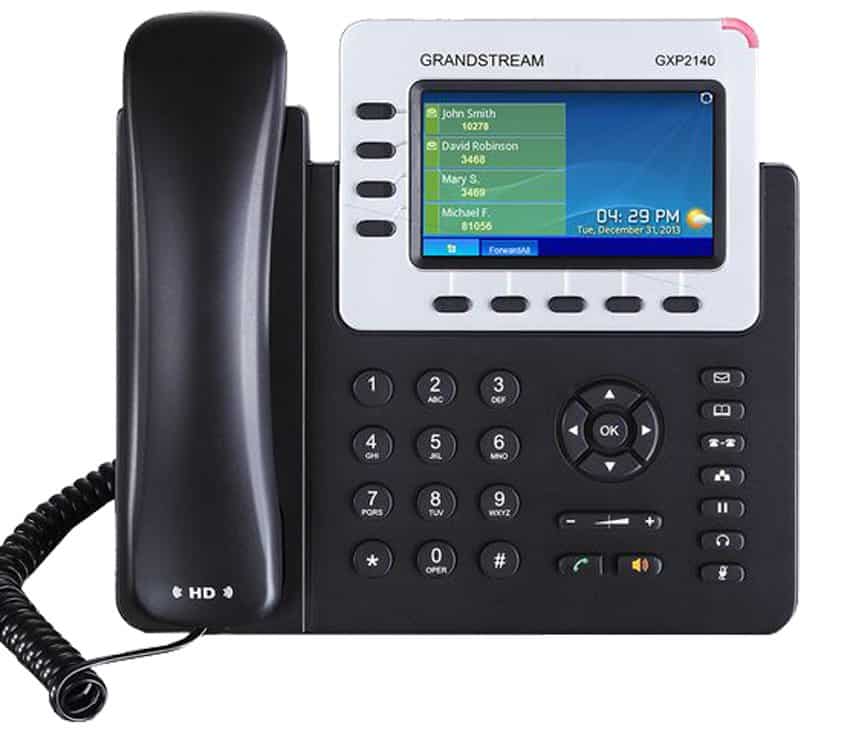
Hardware innovations will continue to enhance user experience, with smarter endpoints that adapt to individual roles and preferences. Phones and devices will feature more personalized interfaces, higher audio quality, and noise-canceling technologies. These improvements will make daily interactions smoother and more engaging, helping users stay focused and productive.
Remote management and troubleshooting will become even more proactive, leveraging AI diagnostics and predictive maintenance. Cloud platforms will identify potential issues before they impact performance, reducing downtime and operational costs. As networks become more complex, this proactive approach will be vital for maintaining reliable, high-quality communication environments.
Looking ahead, the future of telephony lies in systems that are smarter, more secure, and deeply integrated into the broader digital ecosystem. As organizations rely more heavily on multiple digital channels, their communication infrastructure must be adaptable enough to incorporate emerging technologies and evolving user expectations. This ongoing transformation will elevate telephony from a basic utility into a strategic driver of innovation, helping businesses stay competitive in an increasingly connected world.