America’s fascination with charismatic figures promising simple solutions runs deep, blending showmanship with emotional appeal. From Clark Stanley’s theatrical snake oil shows to Donald Trump’s modern political spectacle, both have mastered the art of spectacle to forge powerful emotional bonds. But is this reliance on charisma and entertainment a strength that unites or a weakness that blinds us to genuine solutions? The history reveals that authentic remedies, like Chinese water snake oil, once provided real relief, yet spectacle often masks deception, turning truth into illusion. Today, societal susceptibility to emotional storytelling and visual drama makes it harder to discern fact from fiction, especially amidst the overload of social media. Do we seek reassurance in easy answers or truly desire authentic cures? Recognizing the psychological and cultural forces at play is crucial to understanding whether spectacle elevates our democracy or undermines its foundation by feeding gullibility and circumventing critical thinking.
Jump To Section
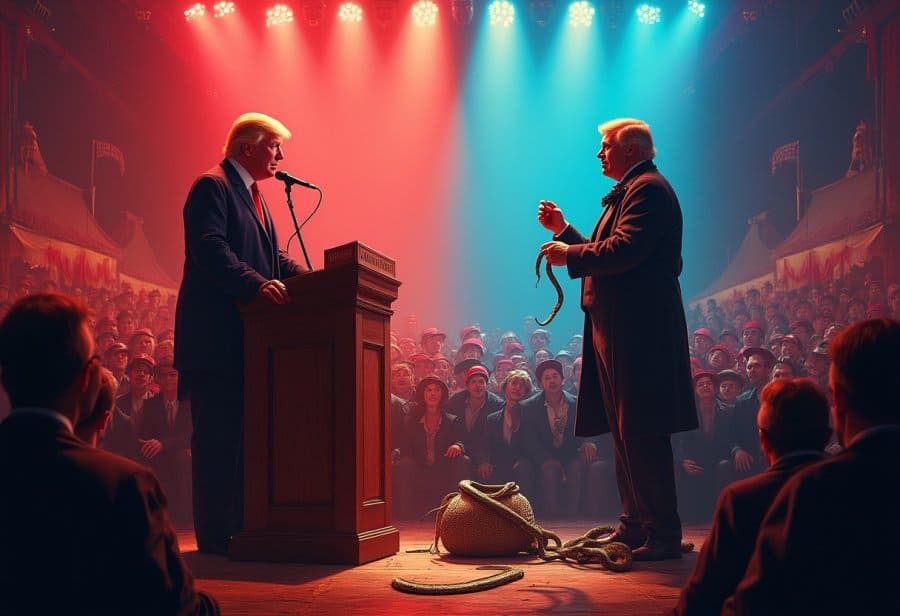
America’s Longstanding Fascination with Charismatic Figures and Spectacle
America has a long-standing fascination with charismatic figures who promise simple solutions to complex problems. From political leaders to entertainers, these showmen understand the power of spectacle and emotional appeal. Their charm lies in crafting larger-than-life personas and memorable slogans that offer hope and reassurance in uncertain times. It’s not just about the message; it’s about creating an experience that feels genuine and emotionally resonant.
This allure taps into deep psychological needs. When faced with chaos or ambiguity, people crave clarity and a sense of control. Charismatic figures excel at providing both, often through stories or images that simplify complicated issues. Their ability to evoke strong feelings—pride, fear, or hope—builds bonds that seem authentic, even if they’re carefully manufactured. This emotional connection makes followers more receptive to their ideas and identities.
Culturally, America’s love for spectacle is rooted in its history. From frontier showmen to modern political rallies, entertainment and storytelling have always been tools for persuasion. Leaders who master this craft turn rallies and speeches into emotional events that foster loyalty. The visual cues, theatrical gestures, and stirring music they use are designed to stir feelings that transcend words.
This pattern of attraction isn’t new; it’s woven into the nation’s identity. During crises—be it health scares or economic downturns—Americans often rally behind figures who promise quick fixes. Phrases like “Build the wall” or “Drain the swamp” act like snake oil in a bottle—offering hope and certainty that problems can be solved overnight. Understanding this pattern helps explain why spectacle remains central to American culture.
From Medicine Shows to Political Rallies: The Roots of American Showmanship
The roots of American showmanship stretch back to the 19th century, when entertainment and persuasion often went hand in hand. Medicine shows, for example, weren’t just about selling cures; they were theatrical performances designed to captivate audiences with drama, humor, and spectacle. Charismatic performers like Clark Stanley, the “Rattlesnake King,” used daring acts—pulling rattlesnakes from sacks and performing theatrical cures—to build trust and wonder. These shows created memorable experiences that combined storytelling and entertainment, making the act of selling medicine into a form of performance art.
At the same time, political rallies adopted this performative style early on. Leaders like William Jennings Bryan turned speeches into emotional events, using visual cues, chants, and theatrical gestures to rally supporters. These gatherings weren’t just about policy—they were about entertainment and emotional connection, setting a precedent for modern campaigns where spectacle often takes center stage. Both medicine shows and political rallies relied on emotional engagement and visual drama to persuade, creating a tradition of showmanship deeply embedded in American culture.
Clark Stanley’s snake oil show is a classic example of this legacy. His theatrical acts—pulling rattlesnakes and claiming to cure ailments—weren’t about medicine but about entertainment and illusion. His performances inspired trust and hope, even if they were ultimately deceptive. The popularity of snake oil itself was rooted in genuine medicinal traditions, brought to the U.S. by Chinese railroad workers, who used water snake oil to treat inflammation. Yet, the spectacle of Stanley’s show transformed it into a symbol of trickery, illustrating how performance often masked the absence of real healing power.
This history of showmanship reveals a pattern: Americans have long valued entertainment and storytelling as tools for persuasion. From P.T. Barnum’s circus promotions to modern political rallies, the core idea remains the same—emotional engagement and visual spectacle forge bonds that influence beliefs and behaviors. These traditions continue to shape how leaders and entrepreneurs connect with their audiences, blending entertainment with persuasion to create lasting impressions.
Today, the legacy of these early traditions persists in political campaigns, social movements, and entertainment. Visual drama, storytelling, and emotional spectacle remain powerful tools for shaping perceptions and rallying support. Understanding this history helps us see how spectacle has become a fundamental part of American culture—an enduring strategy that taps into deep psychological and cultural currents, guiding both leaders and followers in a shared dance of influence.
Why Americans Crave Charisma: Psychological and Cultural Forces at Play
America’s fascination with charismatic leaders and simple solutions runs deep, rooted in both psychological needs and cultural values that shape the nation’s identity. From the early days of frontier showmen to today’s political celebrities, Americans have long been drawn to personalities who entertain, inspire, and forge emotional bonds. This attraction isn’t superficial; it taps into a fundamental desire for certainty and belonging in a complex world. Leaders who craft compelling stories or striking images—whether through slogans, visual cues, or theatrical gestures—offer a sense of control and reassurance that feels genuine, even if it’s carefully manufactured.
Culturally, the values of individualism, confidence, and self-reliance reinforce this appeal. The American ethos celebrates bold entrepreneurs, entertainers, and politicians who use drama and storytelling to connect deeply with their audiences. These figures become symbols of strength and hope, embodying ideals that resonate on a personal level. Their commanding presence often feels authentic, fueling a belief that confidence and charisma are just as important as policies or facts. As a result, supporters tend to invest faith in the persona rather than the substance behind it.
Humans naturally prefer simple, memorable narratives over complex, nuanced explanations. Charismatic leaders excel at distilling complicated issues into slogans or stories that evoke strong emotions—like “Build the wall” or “Drain the swamp”—making problems seem manageable and solutions attainable. This simplification provides psychological comfort, especially during crises, when uncertainty can be overwhelming. Leaders who master this craft turn complex debates into emotionally charged stories that rally support and foster collective identity.
Spectacle amplifies this effect by engaging primal feelings of pride, fear, or hope. When leaders perform on a grand stage—through visual cues, theatrical gestures, or stirring music—they create shared emotional experiences that forge bonds beyond words. These moments of collective feeling turn abstract ideas into visceral experiences, making support more enduring. This emotional resonance, built through storytelling and visual drama, keeps spectacle at the core of American culture and politics.
In the end, America’s attraction to charisma and spectacle is a reflection of its deep-rooted cultural and psychological fabric. It’s about more than show; it’s about seeking connection, certainty, and identity in a world of ambiguity. Leaders who understand this dynamic harness the power of emotional storytelling and visual drama, shaping perceptions and forging loyalty that can last a lifetime.
Throughout history, charismatic figures have often been compared to the classic snake oil salesman, adept at promising quick fixes and appealing to hopes rather than evidence. This comparison highlights how emotional appeals can sometimes overshadow critical thinking, especially when leaders craft narratives that resonate deeply with collective fears or desires. For a deeper understanding of this historical pattern, see the article on Snake Oil Salesman.
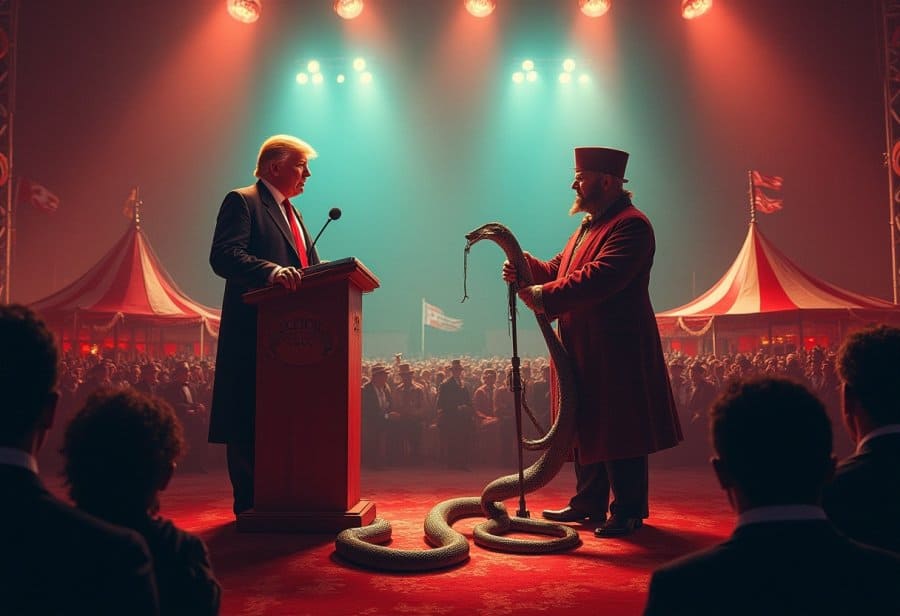
Snake Oil’s Dual Legacy: Genuine Medicine and Deceptive Tricks
The phrase “snake oil” today evokes images of deception and false promises, but its origins reveal a more nuanced story. Genuine snake oil was once a respected medicine brought to America by Chinese railroad workers in the 19th century. Made from water snakes rich in omega-3 fatty acids, it was effective at reducing inflammation and easing joint pain, especially for arthritis sufferers. This traditional remedy was rooted in Chinese medicine and had a real basis in medicinal benefit.
However, as snake oil gained popularity, some vendors exploited its reputation by peddling fake cures and exaggerated claims. They marketed “miracle” remedies promising overnight healing, often with little scientific backing. These performances relied heavily on showmanship—dazzling audiences with theatrical displays and persuasive storytelling—while concealing the fact that many of these products had little to no real effect. This flood of deception blurred the line between authentic medicine and outright fraud, fueling suspicion that all snake oil was just a scam.
Over time, the myth of snake oil as pure deception grew stronger, overshadowing its genuine origins. The spectacle of charlatans selling quick fixes turned what was once a legitimate remedy into a symbol of trickery. Clark Stanley, the “Rattlesnake King,” epitomized this blend of entertainment and deception. His theatrical acts—pulling rattlesnakes from sacks and claiming to cure ailments—were elaborate illusions designed to inspire trust, even though they lacked real healing power. His shows helped cement the idea that spectacle often masks the absence of genuine substance.
This history reminds us that not all traditional medicines were fake. Some, like Chinese snake oil, did offer real relief. But the proliferation of exaggerated claims and theatrical shows transformed many authentic treatments into symbols of deception. That’s why “snake oil” now carries a dual meaning—either a genuine cure or a symbol of trickery—depending on the context. Recognizing this history helps us see beyond the surface and understand how spectacle can distort perceptions of truth and efficacy.
The Power of Spectacle: Shaping Society’s Beliefs and Collective Identity
Spectacle wields a powerful influence over society’s beliefs and collective identity. When leaders or figures step into the spotlight—whether at rallies, televised addresses, or mass demonstrations—they do more than deliver messages; they create shared emotional experiences that forge bonds beyond words. These moments of collective feeling foster a sense of unity and loyalty, making supporters feel part of something bigger than themselves. The visual cues, theatrical gestures, and stirring music used in these moments leave lasting impressions that shape attitudes long after the event ends.
Leaders who master spectacle understand that emotional resonance can outweigh detailed policy. Visual drama and storytelling tap into primal feelings—pride, fear, hope—that deepen support and turn abstract ideas into visceral experiences. When supporters feel emotionally connected, their allegiance becomes rooted in shared identity, making their loyalty more durable and less susceptible to changing facts or opinions. This emotional bond often sustains unwavering support, even amid complex or conflicting realities.
However, reliance on spectacle can be a double-edged sword. Leaders who focus solely on showmanship risk creating illusions that eventually crumble, leaving their base disillusioned and distrustful. When used authentically and skillfully, though, spectacle can inspire collective pride and drive social change. It transforms leaders into symbols of hope, strength, or renewal—embodying collective aspirations through emotionally charged symbols and narratives that resonate deeply.
Today’s media amplifies spectacle’s reach, with television and social platforms broadcasting grand moments instantly to millions. Quick visuals, soundbites, and viral clips often shape perceptions more powerfully than nuanced arguments. This constant stream of emotionally charged imagery reinforces beliefs, sometimes at the expense of critical thinking, making emotion the currency of influence.
Beyond politics, spectacle shapes social movements and entertainment alike. Charismatic figures use grandeur to rally supporters and foster a sense of belonging. Whether at protests, concerts, or rallies, shared emotional experiences forge bonds that motivate action and reinforce community ties. Through spectacle, society’s collective sense of identity is continually shaped, molded by shared feelings and symbols that transcend individual differences.
Decoding America’s Love for Charisma and Spectacle: A Deep Cultural Insight
America’s fascination with charisma and spectacle is deeply rooted in both its cultural fabric and psychological makeup. From the earliest frontier showmen to today’s political celebrities, the allure of a commanding personality has consistently drawn people in. This attraction isn’t superficial; it taps into a fundamental human desire for certainty, belonging, and reassurance amid complexity and chaos. Leaders who craft compelling stories or striking images—whether through slogans, visual cues, or theatrical gestures—offer a sense of control and hope that often feels authentic, even if carefully manufactured.
Culturally, American values emphasize individualism, confidence, and self-reliance. These ideals elevate personalities who entertain, inspire, and project strength. Charismatic figures become symbols of hope and resilience, embodying traits that resonate on a personal level. Their commanding presence often blurs the line between genuine authenticity and performance, making supporters more willing to invest faith in the persona rather than the substance behind it.
Humans naturally prefer simple, memorable narratives over complex explanations. Leaders excel at distilling intricate issues into slogans or stories that evoke strong emotions—like “Build the wall” or “Drain the swamp”—making problems seem manageable and solutions attainable. This simplification offers psychological comfort, especially during turbulent times, by transforming chaos into clarity. It’s a shortcut that turns abstract debates into visceral, emotionally charged stories.
Spectacle amplifies this effect by engaging primal feelings—pride, fear, hope—and turning them into shared experiences. When leaders perform on a grand stage with visual cues and theatrical gestures, they foster deep emotional bonds that transcend words. These moments of collective feeling forge lasting support rooted in shared identity, often more powerful than facts or detailed policies.
This pattern of attraction isn’t accidental. It reflects a cultural tendency to seek quick fixes and inspiring narratives, even when they lack substance. Leaders who understand this dynamic harness the power of entertainment and emotional storytelling, shaping perceptions and loyalty in ways that endure beyond the immediate moment. Ultimately, the persistent appeal of spectacle reveals core truths about American identity—a longing for connection, certainty, and hope wrapped in the captivating guise of charisma.
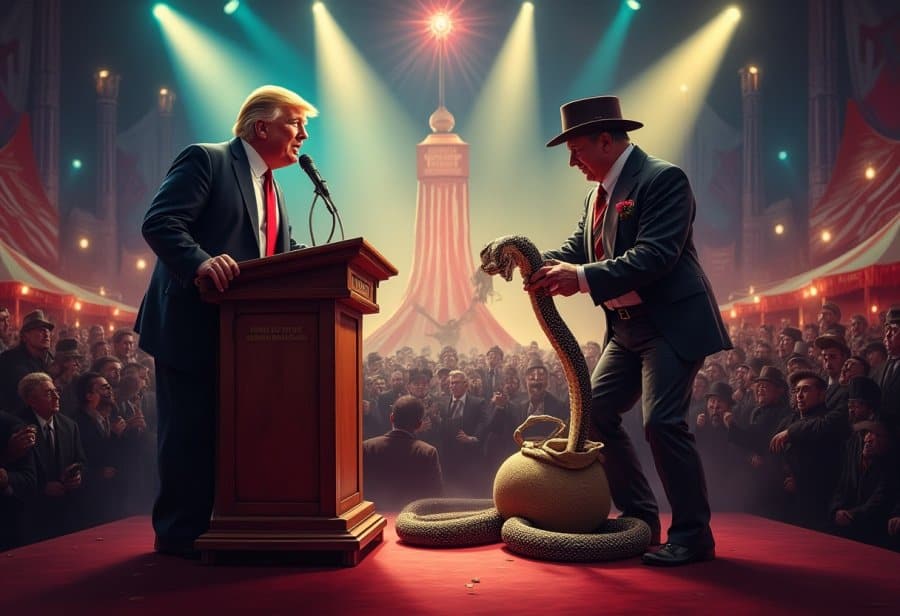
Overcoming Deception: Challenges in Detecting Snake Oil and Building Skepticism
Recognizing deception in today’s world is more challenging than ever. Our minds are wired to seek patterns and confirm our existing beliefs, which makes us vulnerable to accepting flashy claims and emotional appeals without question. When a story stirs hope, fear, or anger, it often overrides critical thinking, clouding our judgment and blinding us to the truth. Social media and sensationalist media amplify this effect, flooding us with vivid visuals and quick soundbites that prioritize entertainment over accuracy.
Cognitive biases like confirmation bias further deepen this trap. We tend to accept information that fits our worldview and dismiss anything that challenges it. Emotional triggers—such as fear of losing status or anger at perceived injustice—push us to support ideas or figures that feel familiar or comforting, even if they lack substance. Supporters often invest loyalty based on shared feelings rather than facts, making it harder to see through the spectacle.
Building resistance requires conscious effort. Developing media literacy and critical thinking skills helps us question sources, analyze motives, and spot manipulation. Recognizing our own biases and emotional vulnerabilities can create space for reflection before accepting persuasive stories at face value. It’s a skill that demands practice, especially in an environment where spectacle and entertainment dominate.
As individuals, we must cultivate curiosity and skepticism, asking tough questions instead of accepting surface-level narratives. Cross-referencing information and seeking diverse perspectives can help peel back layers of deception. But resisting the allure of spectacle isn’t easy; it’s a constant battle against ingrained habits and societal pressures that reward quick emotional hits over nuanced understanding.
Fostering a culture of doubt and inquiry is essential for a healthy democracy. When communities value skepticism and prioritize evidence over emotion, they become better equipped to distinguish genuine solutions from snake oil. Recognizing these societal and personal challenges is the first step toward safeguarding ourselves from manipulation and ensuring support is rooted in truth rather than spectacle.