Behind every safe, reliable home stands the expert craftsmanship of electricians, turning tangled wires into a harmonious power system. But what separates a professional from a mere technician? It’s their mastery of safety standards, precise wiring techniques, and problem-solving skills that ensure long-term security and efficiency. From navigating tight spaces to troubleshooting unexpected faults, electricians must adapt quickly, applying foundational knowledge alongside cutting-edge tools and techniques. As technology advances—integrating smart systems and energy-efficient solutions—their expertise must evolve. How do they consistently transform chaos into peace of mind? This journey demands continuous learning, meticulous planning, and unwavering commitment to safety. The future of residential wiring promises more connected, smarter homes, making electricians’ skill sets more crucial than ever to safeguard families today and tomorrow.
Article Contents
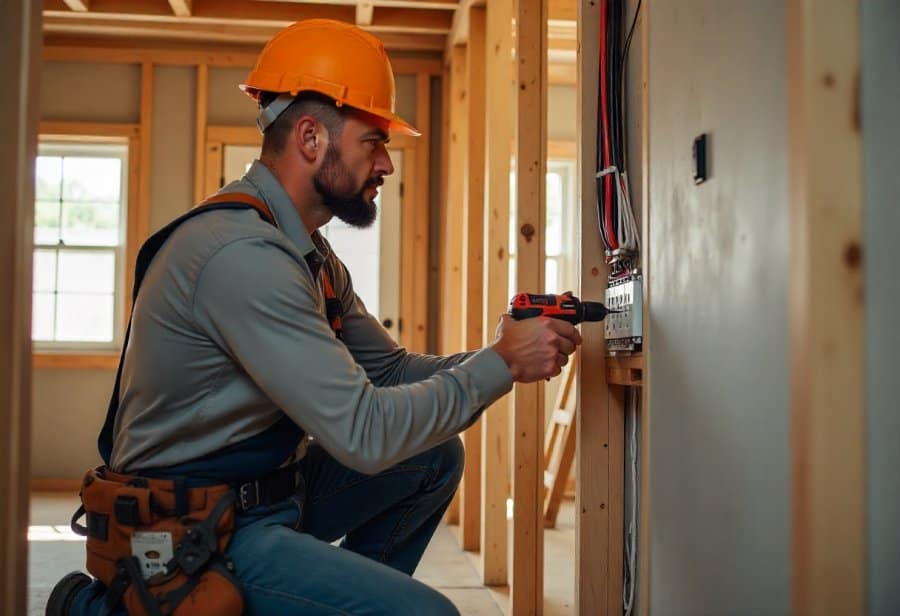
Mastering Safety and Precision in Home Wiring
Electricians do more than just connect wires; they are the guardians of home safety and reliability. Their mastery of safety protocols and precise wiring transforms complex plans into dependable electrical systems that keep families safe. When done correctly, wiring a home becomes a carefully orchestrated process, where every connection is deliberate and every component plays a role in ensuring safety. This expertise isn’t just about following rules—it’s about anticipating potential issues before they arise and addressing them with confidence.
The importance of skilled wiring extends beyond compliance. It’s about creating an environment where homeowners can trust their electrical system to operate smoothly and safely every day. Precise wiring and thoughtful planning prevent overloads, short circuits, and hazards that could lead to fires or damage. Electricians approach each project with meticulous attention to detail, carefully mapping circuits and selecting appropriate components to ensure long-term reliability.
Safety standards and codes are the backbone of professional wiring work. These guidelines, developed over decades, serve as a blueprint to minimize risks. Electricians must stay current with evolving regulations, understanding how updates and new technologies influence their craft. This continuous learning ensures that their work not only meets legal requirements but also provides the highest level of protection for those living in the homes they serve.
Troubleshooting and repairs are essential facets of an electrician’s skill set. Homes are dynamic environments where issues can emerge unexpectedly. Electricians rely on their technical knowledge and specialized tools to diagnose problems quickly and accurately. Whether it’s a faulty circuit or a hidden wiring fault, their systematic approach helps prevent small issues from escalating into dangerous situations, keeping homes safe and systems dependable over time.
Mastering safety and precision in residential wiring is an ongoing journey. It demands technical expertise, attention to detail, and a commitment to continuous education. Electricians dedicate themselves to training, certification, and staying informed about advances in safety practices and new technologies. This dedication transforms what could be a chaotic tangle of wires into a safe, reliable backbone for modern homes, providing peace of mind to families day after day.
Core Principles and Evolution of Residential Electrical Systems
Understanding the core principles behind residential electrical wiring is fundamental for electricians aiming for mastery. Over the years, wiring systems have evolved from simple, exposed circuits to complex networks designed with safety and efficiency at their core. Early homes relied on basic cloth-insulated wires, which posed fire risks and safety hazards. Today’s systems utilize advanced materials like rubber and plastic insulation, significantly enhancing durability and safety while aligning with modern standards.
Electric current flows through a home’s wiring in a controlled loop, originating from the main power source and branching out to outlets, switches, and appliances. Grasping these fundamental circuit principles—such as voltage, current, and resistance—is essential. Grounding, for instance, provides a safe path for fault currents, reducing the risk of shocks and fires. Understanding how components like circuit breakers, fuses, and switches work together ensures that electricians can design safe, reliable systems.
The development of standardized wiring components and safety devices has been driven by the need to minimize hazards. Innovations like circuit breakers and Ground Fault Circuit Interrupters (GFCIs) have dramatically lowered the risk of electric shocks and fires. Keeping up with these advancements and the safety standards they influence is vital. This ongoing learning forms a core part of an electrician’s foundational knowledge, helping them install systems that meet current safety expectations.
Load calculations are another critical aspect. Electricians must accurately determine a home’s power demands to prevent overloads that could cause overheating or fires. Properly sizing wires, circuit breakers, and outlets based on calculated loads ensures systems can handle household demands safely and efficiently. This technical understanding underpins the design of long-lasting, dependable wiring that supports modern lifestyles.
Training and education lay the groundwork for mastering these core concepts. Most electricians begin their careers with technical courses covering electrical theory, safety protocols, and practical skills. Apprenticeships deepen this knowledge through hands-on experience, allowing electricians to work directly with wiring systems and troubleshoot real-world issues. Certification exams then assess their understanding, ensuring they are prepared to work safely and effectively in the field.
Staying current with evolving safety standards, such as updates to the National Electrical Code (NEC), is essential. These standards reflect advancements in technology and safety practices, emphasizing arc fault and ground fault protections that significantly reduce risks. Continuous education ensures electricians remain equipped to incorporate new safety features and maintain compliance, safeguarding homes and families now and into the future.
Experience premier electrical solutions with North York Electricians in the Greater Toronto Area
Looking for reliable Professional electrical installation? North York Electricians (NYE) specializes in comprehensive residential wiring, lighting design, and electrical repairs tailored for homeowners across the Greater Toronto Area. Our expert residential electricians excel in installing and configuring smart switches, thermostats, security systems, and advanced home automation to enhance your living space. We also prioritize energy efficiency by upgrading to eco-friendly LED lighting, energy-saving panels, and sustainable electrical designs. Whether you need a home wiring service or lighting and electrical service, NYE is your trusted partner for safe, innovative, and eco-conscious electrical solutions. Call 416-508-0206 or visit us at https://electriciansnorthyork.com/ to learn more.
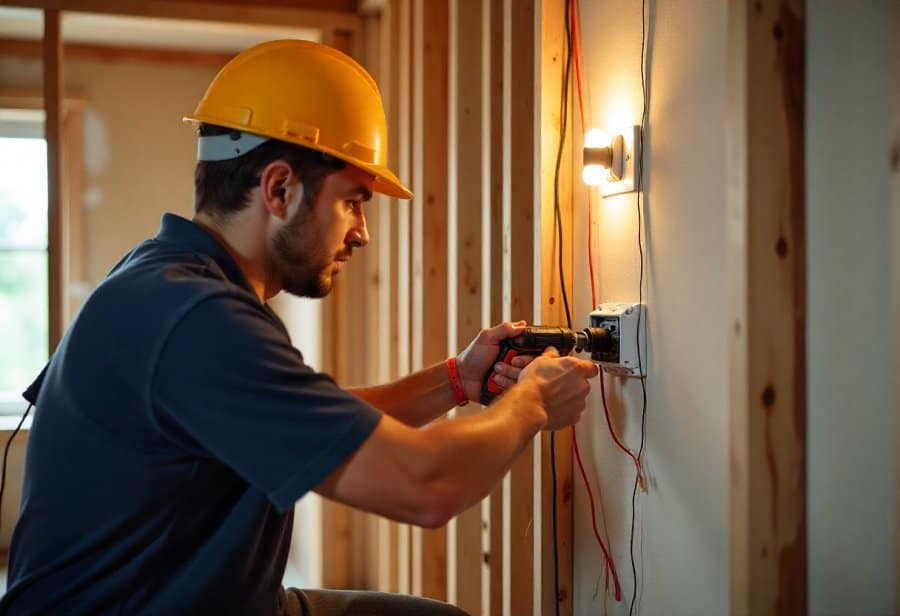
Essential Skills, Tools, and Techniques for Reliable Wiring
Electricians rely on a set of practical skills that ensure their wiring work is both safe and precise. From the very first step, accurate measurement and careful handling of wires are essential. Properly stripping insulation without damaging the conductor prevents future faults and guarantees reliable connections. Interpreting wiring diagrams and technical drawings helps electricians plan complex circuits efficiently, reducing errors that could compromise safety.
Tools are the backbone of quality work. Wire strippers allow for clean, consistent cuts, preventing shorts and ensuring secure connections. Voltage testers are vital for confirming circuits are de-energized before starting work, protecting electricians from shocks. Fish tapes help navigate tight spaces behind walls or in conduits, making wire pulls smoother and safer. Multimeters are indispensable for measuring voltage, current, and resistance, enabling quick troubleshooting and accurate fault diagnosis.
Using these tools correctly is just as important as owning them. Proper technique in handling wire strippers ensures neat cuts and prevents wire damage. Testing devices must be used with care, following safety protocols to verify circuits are off. Fish tapes require gentle handling to avoid damaging walls or existing wiring, while multimeters need proper calibration for trustworthy readings. Mastery over these tools minimizes risks and significantly improves the quality of the wiring.
Techniques like proper wire routing, secure connections, and strict adherence to safety standards form the foundation of reliable wiring practices. Electricians carefully plan pathways to avoid clutter and hazards, simplifying future maintenance or upgrades. Making tight, secure connections—tightening terminals and using appropriate connectors—reduces the risk of loose wiring that could cause sparks or shorts. Following safety protocols, such as turning off power and wearing insulated gloves, is essential at every stage.
Troubleshooting skills combine technical knowledge with practical judgment. When circuits malfunction, electricians systematically verify that power is off and then use testing tools to trace faults. Whether it’s a loose connection, damaged wire, or faulty component, their methodical approach helps pinpoint issues efficiently, minimizing disruptions and ensuring safe repairs. This hands-on problem-solving is vital for long-term system reliability.
Preparation and planning are key to efficient wiring. Electricians map out circuits in advance, considering load capacities and safety clearances. They select appropriate wire gauges, circuit breakers, and outlets tailored to each project. Proper planning prevents overloads, short circuits, and fire hazards, making installations safer and easier to maintain. This strategic approach ensures that every wire, connection, and component supports a dependable electrical system.
Combining technical skills, the right tools, and strategic techniques creates a solid foundation for professional residential wiring. Electricians who develop these practical abilities work more efficiently, reduce safety risks, and deliver systems built to last. Their expertise transforms complex wiring projects into safe, reliable systems that power homes and protect families, providing peace of mind every day.
Maintaining strict adherence to safety standards is crucial, and staying informed about the latest guidelines ensures compliance and safety. For electricians seeking to deepen their understanding, exploring comprehensive training and certification pathways can be highly beneficial. You can learn more about these opportunities at Training and certification pathways for professional electricians to advance your skills and ensure the highest safety standards in every project.
Turning Theory into Practice: Overcoming Real-World Wiring Challenges
In real-world wiring projects, plans often meet unexpected challenges that test an electrician’s ability to adapt quickly and safely. Homes can present tight spaces behind walls, outdated wiring, or structural barriers that complicate straightforward installations. Navigating these obstacles requires not just technical skill but also creative problem-solving, like choosing the right tools or rethinking the wiring route on the fly. These situations highlight the importance of experience and flexibility in translating theoretical knowledge into practical solutions.
Troubleshooting is at the heart of turning classroom knowledge into effective action. When a circuit malfunctions, electricians don’t just guess—they methodically verify that power is off, then use their testing tools to trace faults. Whether it’s a loose connection, damaged wire, or faulty device, their systematic approach helps isolate the problem efficiently. This process minimizes disruption and ensures repairs restore safety and reliability without unnecessary damage.
Updating existing wiring systems often involves working within tight spaces or dealing with old, brittle materials. Rerouting wires, installing new circuits, or upgrading safety devices like GFCIs requires careful planning and precise execution. Electricians must weigh the risks of damaging existing structures against the need to meet current safety standards, often making quick decisions that balance safety, efficiency, and cost. This ability to adapt is crucial in ensuring long-term system integrity.
Space constraints, especially in confined walls or ceilings, turn simple wiring tasks into intricate puzzles. Working in these cramped environments demands patience and finesse, along with specialized tools like flexible fish tapes and compact drill bits. Rushing could cause damage or compromise safety, so electricians rely on their experience to develop creative solutions that fit within limited spaces while maintaining code compliance.
Throughout these practical applications, safety remains the top priority. Electricians double-check that circuits are de-energized before touching wires, use insulated tools, and follow strict safety protocols to prevent shocks or fires. Recognizing potential hazards early allows them to address issues proactively, preventing small problems from escalating into dangerous situations. This vigilance is what transforms theoretical safety standards into real-world protections.
Every challenge faced in wiring a home reinforces the importance of foundational skills and ongoing learning. Whether navigating tight spaces or diagnosing faults, electricians draw on their knowledge of circuits, tools, and safety practices. Their ability to troubleshoot effectively and adapt on the spot ensures that each system they work on is both safe and durable, built to withstand the demands of everyday life.
These real-world scenarios show that wiring is far more than following a plan. It’s about applying core principles with precision and care, turning obstacles into opportunities for safe, reliable solutions. The capacity to troubleshoot efficiently and adapt to unforeseen challenges keeps homes powered and protected, ensuring families can trust their electrical systems every day.
By mastering these practical skills, electricians ensure that complex wiring projects translate into long-lasting, safe systems. Their hands-on problem-solving, attention to detail, and commitment to safety turn potential hazards into peace of mind. In every challenge, they demonstrate how theory and practice combine to create dependable power systems that serve families reliably for years to come.
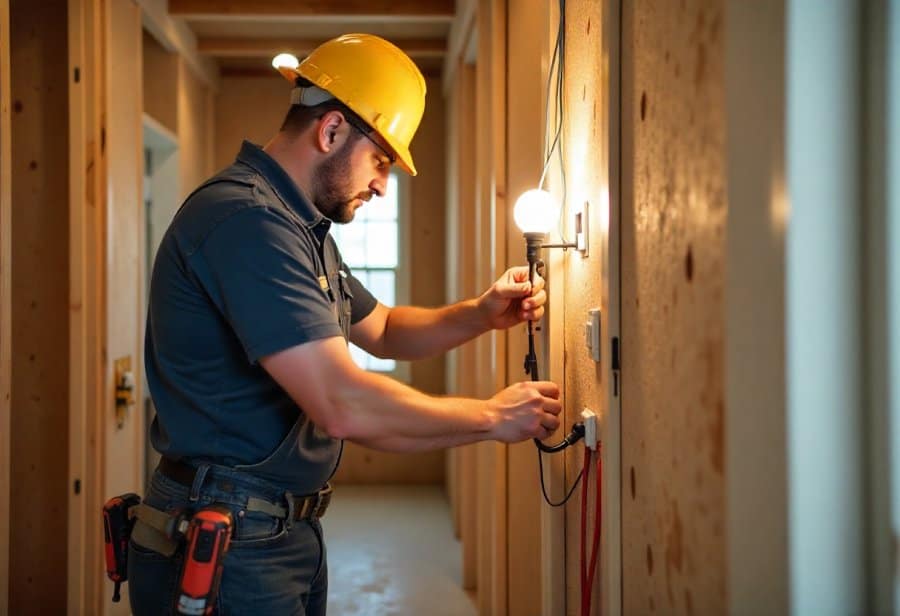
Future Trends and Continuous Learning in Electrical Safety
As electrical systems continue to evolve, electricians face both new challenges and exciting opportunities to enhance safety and reliability. Advances in home automation, energy efficiency, and integrated safety devices are transforming houses into smarter, more secure environments. Staying ahead of these developments requires ongoing training and a commitment to continuous learning, enabling electricians to seamlessly incorporate new technologies while maintaining the highest safety standards.
The core skills that underpin effective wiring—deep electrical knowledge, precise techniques, and strict adherence to safety codes—remain fundamental. Mastery of essential tools like wire strippers, voltage testers, and fish tapes, combined with thoughtful planning, helps prevent hazards and ensures systems are built to last. These skills are crucial not only during initial installation but also for ongoing maintenance and troubleshooting as systems grow more complex.
Safety continues to be the guiding principle in every step of residential wiring. Keeping up-to-date with current regulations and standards, especially those that incorporate innovative safety features, is vital. Proper grounding, circuit protection, and proactive troubleshooting help reduce risks like shocks, fires, and system failures. Electricians who prioritize these practices create a protective shield around homes, giving families peace of mind and ensuring long-term system stability.
Looking ahead, the electrician’s role will become even more dynamic as homes become more connected and energy-conscious. Trends such as smart grids, renewable energy integration, and advanced safety systems will demand broader technical expertise and familiarity with digital systems. Electricians committed to ongoing education will be better equipped to design, install, and maintain these cutting-edge solutions, ensuring homes are not only safe but also future-ready.
Ultimately, the mastery of residential wiring hinges on a blend of foundational knowledge, practical skills, and a proactive approach to learning. As technology advances and safety standards evolve, electricians who adapt and grow will continue to play a vital role in safeguarding homes. Their expertise transforms complex, modern systems into reliable, long-lasting power networks—keeping families protected today and well into the future.