Imagine transforming your fear of water into a source of confidence and joy—at any age. Learning to swim isn’t just about strokes; it’s a journey of self-discovery, resilience, and newfound independence. Can the simple act of taking that first brave step unlock a world of safety, adventure, and mental well-being? This inspiring guide reveals how beginners of all ages can conquer water anxiety through patient instruction, small achievable goals, and supportive environments. It emphasizes that progress may be slow but is always within reach, highlighting techniques like visualization, mindfulness, and proper safety measures. Whether you’re nervous about putting your face in the water or hesitant about floating, the path to water confidence begins with a single step—and the rewards are transformative. Why not turn water from a source of fear into a lifelong friend and explore the freedom that comes with mastering this essential skill?
Transform Your Perspective: The Power of Learning to Swim
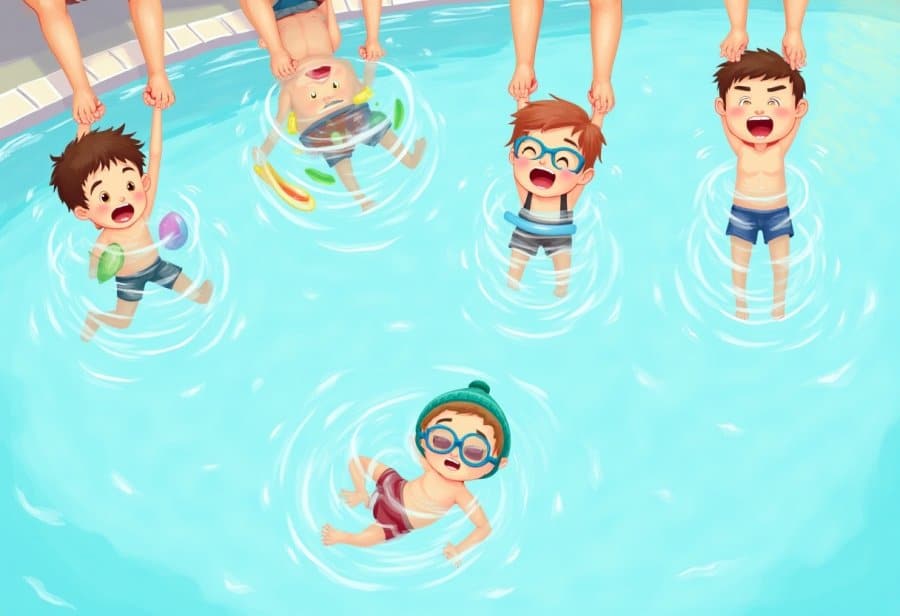
Learning to swim is more than just adding a new skill to your toolkit; it can be a truly transformative experience that changes how you see water—and yourself. For many, water can evoke fear or hesitation, often rooted in childhood memories or stories of accidents. Yet, taking that first step into the pool can shift those feelings into confidence and curiosity. It’s about more than just learning strokes—it’s about discovering a new sense of independence and opening doors to enjoyable, safe water activities.
Whether you’ve never set foot in a pool or have felt uneasy around water for years, the idea of learning to swim might seem daunting. But everyone’s journey begins with that initial decision to try. The good news is, no matter your age or past experiences, it’s never too late to start. The process involves patience, persistence, and a willingness to face fears—traits that can turn water from a source of anxiety into a space of joy and freedom.
The benefits extend far beyond safety. Swimming offers a gentle, effective way to boost your physical health with low-impact exercise that’s easy on joints. It also nurtures mental well-being by reducing stress, calming the mind, and fostering a sense of achievement. Gaining water confidence means you can enjoy beach trips, pool parties, or even just relaxing in your backyard spa without hesitation. It’s a skill that enriches your everyday life and promotes a healthier, more active lifestyle.
Many adults who decide to learn later in life find it to be one of the most rewarding choices they’ve made. It’s common to feel nervous at first—those initial moments of putting your face in the water or floating can seem intimidating. But as you gradually build familiarity and trust, you’ll notice your fears diminishing and your confidence growing. The journey is about small steps, each making you more comfortable and capable in the water.
Building water confidence begins with a mindset shift. Approaching water with curiosity instead of fear creates a solid foundation for success. Simple acts like splashing water on your face, sitting at the pool’s edge, or gently floating are powerful first moves. Each small victory helps you trust your body and mind, transforming anxiety into assurance. Remember, every swimmer started where you are now—every effort counts toward that moment when water feels like a friend, not a foe.
Safety remains a priority from the very first splash. Beginners should always learn with a responsible adult or qualified instructor nearby. Using floatation devices like kickboards or floaties provides reassurance and stability as you practice. Staying in shallow water until you feel comfortable, avoiding risky movements like running or diving, helps prevent accidents. These simple precautions support your confidence and ensure that your water journey remains safe and enjoyable.
Ultimately, learning to swim is about opening yourself up to new possibilities. It’s a skill that not only enhances safety but also transforms how you experience water—turning fear into freedom. Every small step forward builds a foundation of trust and resilience, making water an inviting space rather than an obstacle. With patience and persistence, you’ll find that the water becomes a place of relaxation, adventure, and personal growth. The first step might be the hardest, but once taken, it can lead to a lifelong love of swimming.
Expert Strategies to Overcome Water Fears and Master Swimming Techniques
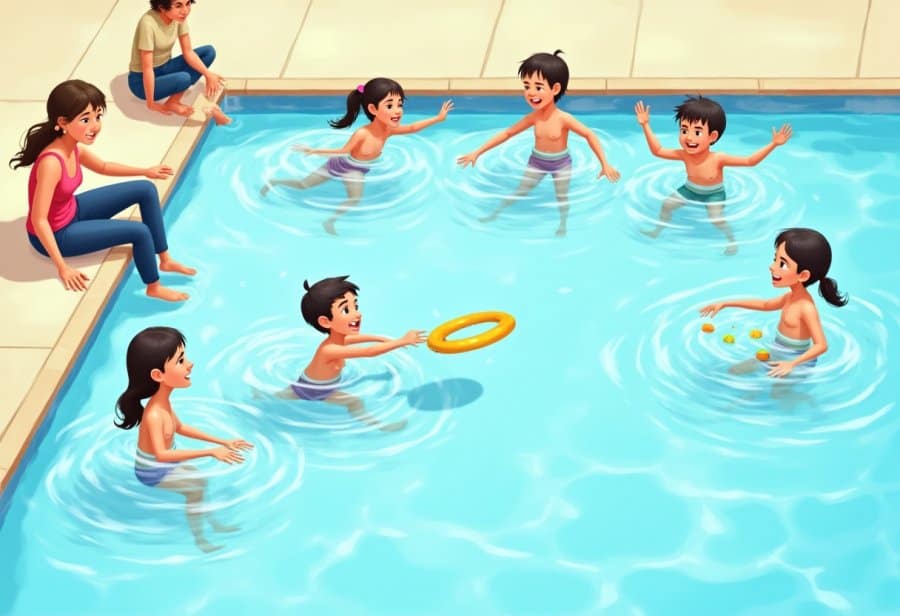
Professional swim instructors emphasize that creating a supportive environment is crucial when helping beginners overcome water fears and build lasting confidence. A calm, patient approach tailored to each individual’s comfort level makes a big difference. Starting with simple water familiarization—such as breathing exercises, gentle floating, and getting comfortable at the water’s edge—helps establish trust and eases anxiety. When learners feel safe and supported, they’re more likely to stay motivated and progress steadily.
Setting small, achievable goals is another key principle. Breaking the learning process into manageable steps—like splashing water on your face or floating on your back—makes swimming less intimidating. Celebrating these little victories keeps motivation high, proving that progress is possible at any age. Regular, even short, practice sessions help develop muscle memory and normalize water sensations, gradually reducing fears over time.
Positive reinforcement is vital in effective teaching. When instructors offer gentle encouragement and constructive feedback, learners become more committed and view setbacks as part of the journey. Support tools such as kickboards or floaties aren’t crutches—they’re stepping stones that boost confidence by giving learners a sense of control. These aids foster independence, paving the way for mastering more advanced techniques with confidence.
Innovative teaching methods are increasingly transforming how beginners learn to swim. Virtual reality simulations allow learners to visualize movements and breathing techniques in a controlled setting before entering the water, reducing initial apprehension. Waterproof tablets and interactive apps provide visual guidance and real-time feedback, making the learning process more engaging and accessible. Such technology helps demystify swimming, making it less daunting and more approachable.
Addressing water anxiety also involves mental resilience. Techniques like slow, deep breathing before entering the pool can calm nerves and physical symptoms of fear. Visualization—imagining oneself floating peacefully or swimming confidently—strengthens positive mental images. Practicing mindfulness during lessons helps learners stay present, making it easier to relax and avoid panic when faced with challenging moments. These mental tools complement physical skills, creating a holistic approach to overcoming water fears.
Different teaching styles can influence how quickly and comfortably learners progress. Some instructors prefer a structured, step-by-step approach, emphasizing mastery of basic skills before moving on to more complex strokes. Others adopt a more explorative style, encouraging learners to discover movements at their own pace with gentle guidance. Combining these methods often produces the best results, providing clarity while allowing room for personal discovery. Flexibility and adaptation to individual learning styles significantly enhance outcomes.
Many adults and beginners who have successfully learned to swim share inspiring stories of perseverance and patience. These experiences remind us that progress might be slow initially but is entirely achievable with consistent effort and supportive instruction. Celebrating small wins, setting realistic expectations, and maintaining a positive mindset turn water fears into water confidence. This approach underscores that anyone can conquer swimming anxiety and enjoy the water safely, regardless of age or background.
Taking Action: Your Next Steps Toward Water Confidence and Lifelong Enjoyment
Learning to swim is more than just acquiring a new skill; it’s a gateway to confidence, safety, and enjoyment in the water. Whether you’ve hesitated for years or are just now considering taking that first plunge, the key is to start. Small, intentional steps—like signing up for a beginner’s class or practicing simple water exercises at your local pool—lay the groundwork for progress. Remember, every journey begins with that initial act of bravery, and there’s no better time than now to take it.
Many people feel nervous about learning to swim, especially if water has ever caused anxiety or fear. But keep in mind that every swimmer, regardless of age or background, started as a beginner. Progress might be slow at first, but each small victory—whether it’s floating on your back or putting your face in the water—builds momentum. Patience and persistence are your allies, turning water from a source of dread into a space of freedom and fun.
Building water confidence isn’t just about mastering strokes; it’s about reshaping your mindset. Focus on achievable goals and celebrate every step forward. Whether it’s staying relaxed in shallow water, practicing breathing exercises, or floating without support, these milestones reinforce that learning is possible at any age. Over time, these small wins add up, reducing anxiety and increasing your trust in your abilities.
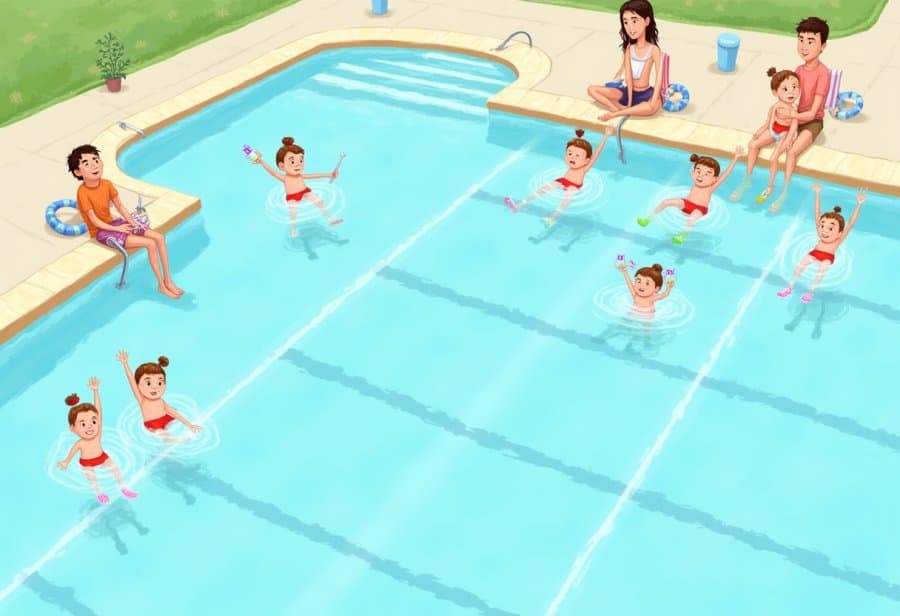
Safety remains paramount. Never attempt to swim alone, especially during the early stages. Having a responsible adult or instructor nearby creates a secure environment where you can practice without fear. Floatation aids like kickboards or floaties are tools to help you feel more secure and foster independence. Staying within shallow areas until you’re comfortable ensures you’re not overwhelmed, making each session productive and stress-free. These habits set a strong foundation for a lifelong relationship with water built on trust and safety.
The benefits of learning to swim go well beyond safety. It’s a low-impact activity that boosts physical health, improves mental well-being by reducing stress, and fosters resilience. As your water confidence grows, you’ll be more willing to explore new water activities or travel to places where swimming is part of the experience. Gaining this skill can transform your approach to water, turning fear into joy and adventure.
Progress might seem slow at times, but consistency is the secret. Even short, focused practice sessions can lead to meaningful improvements when done regularly. Set realistic goals—like floating for a few seconds or swimming a short distance—and acknowledge your progress. These small victories serve as proof that your efforts are paying off and motivate you to keep going. Over time, what once felt intimidating becomes familiar, and water becomes a space of relaxation rather than anxiety.
This journey is as much mental as it is physical. Techniques such as deep breathing, visualization, and mindfulness can calm nerves and reinforce positive mental images. When anxiety arises, remind yourself that feeling nervous is normal and part of the process. Be patient with yourself, and recognize that setbacks are natural. Every step forward, no matter how small, brings you closer to lasting water confidence and a new sense of freedom in the water.