Learning to drive marks a pivotal moment filled with excitement and daunting nerves. While it symbolizes independence, behind the wheel, teens often grapple with internal fears—doubts, anxiety, and the overwhelming pressure of mastering new skills. This journey is more than just traffic laws and turning; it’s about building resilience and confidence amid setbacks and small victories. Can patience, gradual exposure, and positive reinforcement truly transform nervous beginners into self-assured drivers? The path involves strategic practice in calm environments, mental techniques like visualization and deep breathing, and fostering a growth mindset that views mistakes as learning opportunities. Real-world success stories highlight how consistent effort and support turn initial anxiety into empowerment, ultimately extending beyond driving into broader independence. As internal doubts give way to confidence, teens not only conquer the roads but also develop the self-reliance essential for facing future challenges—proving that the road to independence is paved with both skill and resilience.
Navigating Emotions: The Road to Driving Independence
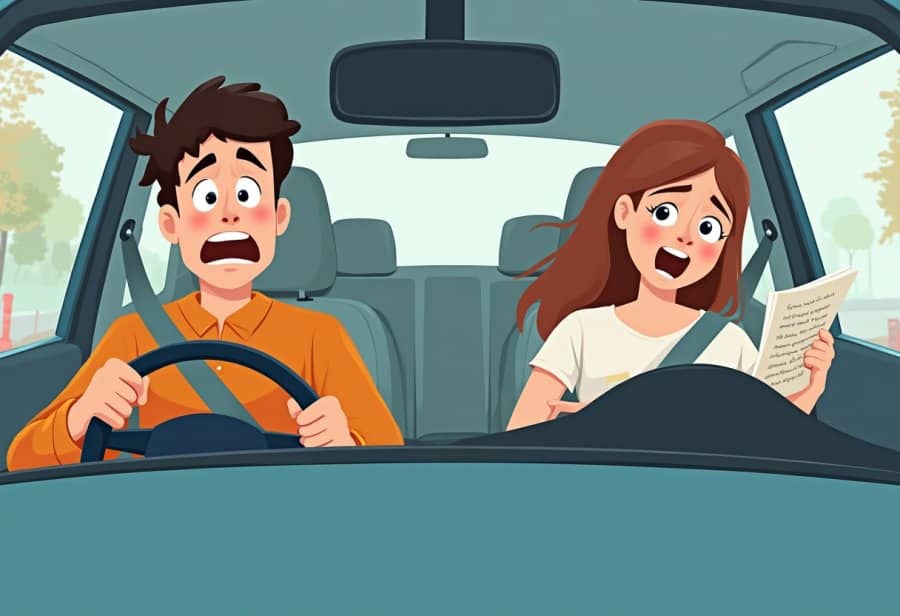
Learning to drive is a milestone that often comes mixed with excitement and nerves. For teenagers, it’s a symbol of newfound independence, responsibility, and a step toward adulthood. But behind the scenes, the experience can be anything but smooth. Many young drivers find themselves battling a whirlwind of emotions—doubts creeping in, fears of making mistakes, and anxiety about navigating traffic. These feelings are completely normal, even if they aren’t always visible to others.
When teens first sit behind the wheel, their confidence can waver with every turn of the key. Simple tasks like merging onto a busy road or parking in a tight spot can feel overwhelming. It’s common to see hesitation or self-doubt during these moments, which can slow progress and shake their belief in their abilities. Recognizing these internal struggles as part of the learning process helps normalize the experience and reminds everyone that nerves are a natural part of stepping outside comfort zones.
Learning to drive isn’t just about mastering controls or traffic laws. It’s about managing internal fears and building resilience. Every small success, like smoothly executing a turn or parking without trouble, becomes a confidence boost. Conversely, mistakes often feel magnified, fueling anxiety if not approached with patience. Supporting teens through these emotional ups and downs is essential, as it helps them see setbacks not as failures but as opportunities to learn and grow.
This stage of self-discovery is crucial. It’s when teens learn that nerves are normal and that confidence develops gradually through experience. Each hesitant step and small victory contributes to a broader sense of independence. The process involves more than just mechanical skills—it’s about trusting oneself behind the wheel and overcoming internal barriers that can seem just as daunting as any parking lot obstacle.
Understanding that internal doubts are part of the journey allows parents, instructors, and teens themselves to approach learning with patience and empathy. It’s not about perfection from the start but about steady progress and resilience. As they navigate not just the roads but their own emotions, teens develop a sense of self-efficacy that extends beyond driving—an essential foundation for facing future challenges with confidence.
In the end, this emotional growth transforms the driving experience from one of anxiety into empowerment. Recognizing and embracing these internal struggles helps teens turn nerves into confidence, shaping them into responsible drivers and resilient individuals ready to face whatever comes next on their road to independence.
Laying the Groundwork: Foundations of Teen Driving Confidence
Building teenage driving confidence starts well before teens turn the ignition. It all begins with mental preparation—helping them develop a calm, focused mindset before they even sit behind the wheel. When nerves are present, encouraging teens to set small, achievable goals—like mastering basic controls or driving through quiet neighborhoods—can create early wins that build trust in their abilities. These initial successes are vital in shifting their focus from fear to confidence, laying a foundation for more complex skills later on.
Getting familiar with the vehicle itself is another key step. Teens should spend time understanding how their car operates—checking mirrors, adjusting seats, and practicing simple maneuvers in safe, low-pressure environments. This hands-on knowledge reduces uncertainty, making them feel more in control when they’re out on the road. Reviewing traffic rules and safety guidelines beforehand also helps them respond with confidence and clarity in real-world situations, rather than hesitation.
Patience is essential during this phase. Confidence doesn’t develop overnight; it’s built through consistent practice and positive reinforcement. Celebrating small victories, like executing a smooth turn or stopping accurately, reinforces their progress and shifts their mindset from anxiety to achievement. These moments create momentum and motivate teens to keep pushing forward, knowing that each step they take is a step toward independence.
Resilience plays a major role as well. Teaching teens to accept that mistakes are part of the learning process helps foster a growth mindset. When they understand that everyone makes errors—regardless of experience—they become more open to trying new techniques and pushing past discomfort. This attitude encourages persistence and reduces the fear of failure, which are critical for developing long-term confidence behind the wheel.
Finally, creating a supportive environment is crucial. Starting practice sessions in familiar, low-stakes settings like quiet parking lots or residential streets allows teens to focus on building fundamental skills without added pressure. As they gain confidence, gradually exposing them to busier roads and more complex traffic conditions further enhances their resilience. This incremental approach helps turn initial nerves into genuine self-assurance, setting the stage for safe, confident driving as they move toward greater independence.

Building Bravery: Practical Strategies to Boost Teen Confidence
Building confidence behind the wheel often starts with simple, manageable tasks that gradually boost a teen’s comfort level. Beginning in quiet parking lots or residential streets allows them to focus on mastering basic maneuvers without the pressure of heavy traffic. Repeating these actions helps develop muscle memory, making each movement feel more natural and less intimidating. As they gain confidence with foundational skills, they can slowly move on to more complex situations like merging onto busier roads or navigating intersections, creating a clear sense of progress and control.
Incorporating mindfulness and relaxation techniques can significantly reduce driving stress. Deep breathing exercises before and during tricky moments help calm nerves and sharpen focus. When anxiety spikes, pausing for a few slow breaths can prevent panic and allow teens to respond thoughtfully instead of reacting emotionally. Visualization, where they picture a successful drive beforehand, also reinforces positive expectations and reduces hesitation. These mental habits turn nervous energy into calm confidence, making each driving experience feel more manageable.
Positive reinforcement plays a crucial role in encouraging continued effort. When teens receive praise for even small successes—such as executing a smooth turn or parking perfectly—they start to see driving as a skill they can improve. Celebrating these wins fosters a growth mindset, motivating them to face more challenging scenarios with enthusiasm. Instead of dwelling on mistakes, focusing on what they did well builds resilience and helps them view setbacks as stepping stones rather than failures.
Creating a supportive environment is equally essential. Starting practice sessions in familiar, low-pressure settings like quiet parking lots or quiet neighborhoods allows teens to build foundational skills without feeling overwhelmed. As their confidence grows, gradually exposing them to busier streets and more complex traffic conditions helps them develop resilience and adaptability. This incremental exposure ensures they aren’t pushed too far too fast, reinforcing their sense of control and readiness.
Mental strategies such as visualization and deep breathing become part of a mental toolkit that makes nerves manageable. Imagining successful drives prepares teens for real situations, while breathing techniques keep anxiety in check during stressful moments. These habits, combined with consistent practice, foster a calm, focused mindset. Over time, nervous energy transforms into motivation, making each drive an opportunity for growth rather than a source of fear.
Finally, giving teens a sense of ownership in their learning process boosts their confidence. Trusting them to make decisions within a safe environment fosters independence and self-reliance. As they gradually take on more responsibility—driving in more demanding scenarios—they develop a stronger belief in their judgment. This blend of practical habits and mental strategies not only accelerates their skill development but also helps convert nerves into genuine confidence, paving the way for responsible, self-assured drivers.
Turning Nerves into Know-How: Specific Techniques for Confidence Growth
Creating a supportive environment is essential when helping teens build confidence behind the wheel. Starting in quiet, familiar places like empty parking lots or quiet residential streets allows them to focus solely on mastering basic skills without the stress of traffic. These low-pressure settings help reduce anxiety and give teens the space to develop comfort with steering, braking, and turning at their own pace. As they become more comfortable, gradually introducing busier roads can reinforce their sense of control and preparedness.
Repetition is one of the most effective techniques for building driving confidence. Practicing key maneuvers—such as parallel parking, lane changes, or smooth stops—multiple times helps develop muscle memory. When teens see consistent progress, each successful attempt boosts their belief in their abilities and makes driving feel more natural. This steady practice transforms uncertainty into a feeling of control, encouraging them to take on more complex driving situations with confidence.
Incorporating mindfulness and relaxation techniques can make a noticeable difference. Deep breathing exercises before and during challenging moments help calm nerves and sharpen focus. When anxiety rises, pausing for a few slow, deliberate breaths can prevent panic and help teens respond thoughtfully rather than react emotionally. Visualization also plays a powerful role—by imagining successful drives beforehand, teens can reinforce positive expectations and reduce hesitation. These mental habits turn nervous energy into calm confidence, making each driving experience more manageable.
Positive reinforcement is critical for fostering ongoing effort. Recognizing even small successes—like executing a perfect turn or parking accurately—can significantly boost motivation. Celebrating these wins helps teens see their progress and reinforces a growth mindset, making them more willing to face new challenges. Instead of dwelling on mistakes, focusing on what they did well encourages resilience and helps them view setbacks as part of the learning process rather than failures.
Finally, giving teens a sense of ownership in their learning journey builds confidence. Trusting them to make decisions within a safe environment fosters independence and self-reliance. As they gradually take on more responsibility—driving in more complex scenarios—they develop a stronger belief in their judgment. This combination of practical habits and mental strategies not only accelerates skill development but also transforms nerves into genuine confidence, paving the way for responsible, self-assured drivers.

From Fear to Freedom: Inspiring Success Stories of Confident Young Drivers
Many teens have experienced firsthand how confidence-building strategies can truly transform their driving journeys. Starting with small, manageable steps—like practicing parking in empty lots—quickly translates into more assured maneuvers on busier streets. These early wins boost their belief in themselves, encouraging them to take on more challenging situations such as merging onto highways or driving at night. Such stories highlight that patience and gradual exposure are powerful tools for turning nerves into control and independence.
Parents and instructors who focus on positive reinforcement notice noticeable improvements. When teens receive praise for even minor accomplishments—like executing a smooth turn or parking accurately—they approach driving with greater enthusiasm and less fear. Recognizing progress, no matter how small, helps foster a growth mindset. This supportive feedback creates a sense of achievement that motivates teens to continue practicing and pushing their boundaries.
Real-world examples underscore how consistent practice leads to remarkable progress. Take Emma, who initially felt overwhelmed by busy intersections. Through steady, focused practice in calm environments, she gained the confidence to navigate complex traffic situations without panic. Her story proves that building self-assurance isn’t about overnight success but about persistent effort and trusting the process. Each small victory contributes to a broader sense of independence and control behind the wheel.
Overcoming specific fears, like merging onto highways or parking in tight spots, often results in a broader sense of self-belief. Teens who face and conquer these challenges report feeling more prepared for real-world driving. They describe a shift from anxiety to capability, making everyday tasks like running errands or visiting friends feel much easier. These successes reinforce that internal growth is just as vital as mastering driving skills.
Mental strategies such as visualization and deep breathing are key to this transformation. Teens who imagine successful drives or use calming techniques during stressful moments find themselves better equipped to stay focused and calm. As their confidence grows, nervous energy turns into motivation, allowing them to see each drive as an opportunity for growth rather than a source of fear. These habits help turn internal doubts into outward confidence.
Ultimately, increased confidence behind the wheel extends beyond driving skills. Teens often find that their newfound self-assurance translates into broader independence, giving them the freedom to handle daily responsibilities with less hesitation. Whether managing appointments or visiting friends, their ability to trust their judgment improves, creating a positive cycle of growth and resilience. These stories demonstrate that with the right mindset and support, nerves can be transformed into lasting confidence, paving the way for responsible, self-reliant drivers.