Nylon, a ubiquitous synthetic fiber found in everything from clothing to outdoor gear, offers remarkable strength and affordability but carries significant environmental costs. Its production is deeply rooted in petrochemical processes that rely on finite fossil fuel resources, releasing pollutants like greenhouse gases and hazardous chemicals into ecosystems. The manufacturing cycle involves energy-intensive chemical reactions that emit potent greenhouse gases such as nitrous oxide and discharge toxins into water sources, threatening aquatic life. Once in use, nylon textiles shed microfibers during washing, which escape wastewater treatment and contaminate oceans, impacting marine ecosystems and entering the human food chain. Its durability prolongs environmental persistence, with discarded nylon lingering in landfills for decades and fragmenting into microplastics that further pollute land and water. Addressing these issues requires transformative shifts toward recycling, biodegradable alternatives, and sustainable industrial practices, emphasizing the urgent need to understand and mitigate nylon’s full ecological footprint.
Unveiling the Hidden Costs of Nylon: Its Environmental Footprint
Nylon is everywhere—from the clothes we wear and the carpets under our feet to outdoor gear and fishing lines. Its popularity stems from its strength, elasticity, and affordability, making it a go-to material for countless products since its invention in the 1930s. But beneath its practical appeal lies a complex story about its environmental footprint—one that many people are only beginning to understand. As we rely more on synthetic fibers like nylon, it’s crucial to examine not just what makes it useful, but also the ecological costs embedded in its lifecycle.
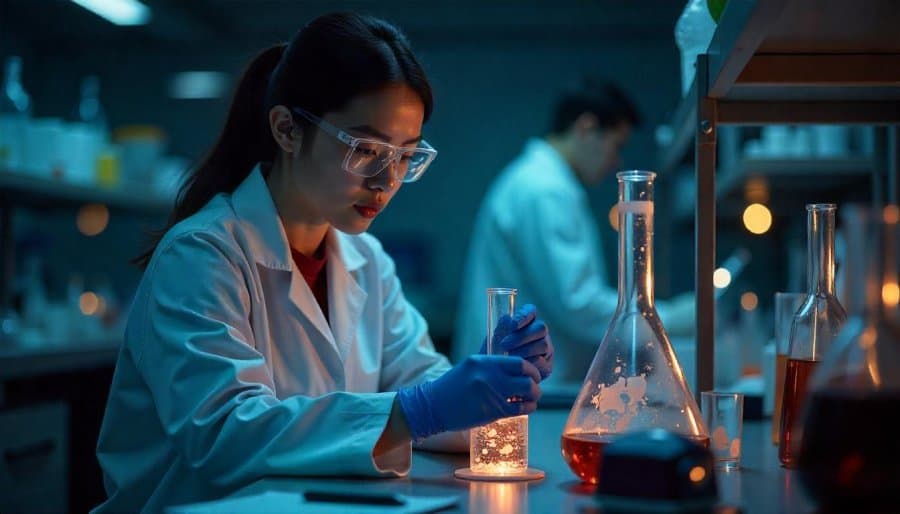
The production of nylon is rooted in the petrochemical industry, starting with fossil fuels—mainly petroleum and natural gas. These resources are processed into chemical building blocks like hexamethylenediamine and adipic acid, which are then linked through condensation polymerization to form long polymer chains. This process is energy-intensive and releases pollutants such as volatile organic compounds, greenhouse gases, and toxic byproducts like nitrous oxide, a potent greenhouse gas. The manufacturing itself often involves discharges of hazardous chemicals into water bodies, risking contamination of ecosystems and drinking water sources. The reliance on finite resources and the pollution generated at every stage highlight how nylon’s convenience comes at a significant environmental cost.
Beyond production, nylon’s environmental impact continues throughout its lifecycle. Washing nylon textiles releases tiny microfibers—microplastics—that escape wastewater treatment and enter rivers and oceans. These microfibers are ingested by marine life, accumulating in the food chain and posing threats to ecosystems and human health. Discarded nylon products, unable to biodegrade, linger in landfills for decades, gradually fragmenting into microfibers that seep into water sources and soil. This durability, once an advantage, now fuels the global plastic waste crisis. Additionally, chemicals like dyes and additives can leach from nylon fabrics during washing or disposal, further polluting aquatic environments and affecting wildlife and humans alike.
Addressing these environmental challenges requires a shift toward more sustainable practices. Recycling initiatives and the development of biodegradable fibers offer some solutions, but widespread change depends on altering consumer habits and industrial standards. Recognizing the full lifecycle impact of nylon—from resource extraction and manufacturing to disposal—underscores the urgent need to rethink how we produce and use synthetic fibers. By understanding the hidden costs behind nylon’s convenience, we can make more informed choices and push for innovations that protect our planet.
From Petrochemicals to Fabrics: The Industrial Heart of Nylon Production
Nylon production begins with the transformation of raw petrochemicals—primarily petroleum and natural gas—into the foundational chemicals needed for synthesis. These fossil fuels are processed through complex refining procedures to extract and purify compounds like hexamethylenediamine and adipic acid, which serve as the monomers for nylon. The entire process is deeply rooted in the petrochemical industry, highlighting nylon’s dependence on finite resources that are extracted, refined, and used with high energy input.
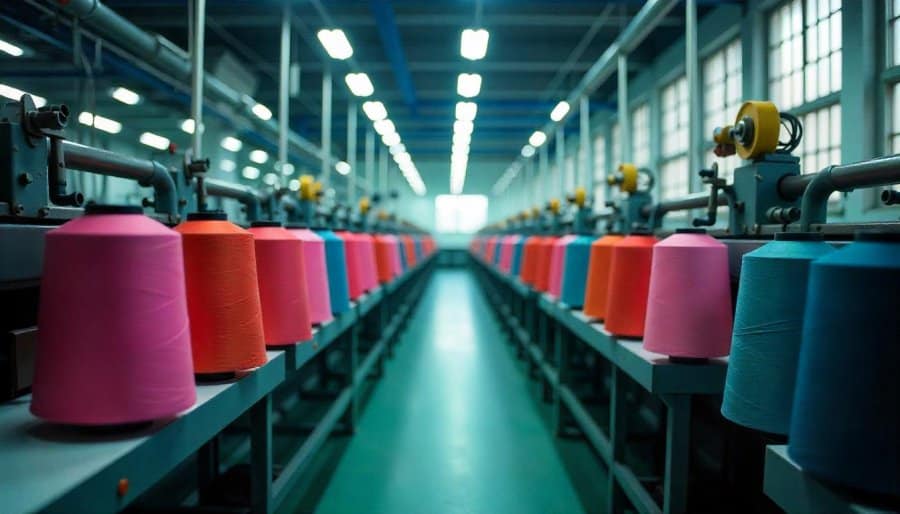
Once these monomers are produced, they are linked through a chemical reaction known as condensation polymerization. During this process, the monomers chemically bond to form long polymer chains, with small molecules like water released as byproducts. These chains are then melted and extruded through tiny nozzles in a process called fiber spinning, which produces strands that are woven into fabrics or other nylon-based products. This manufacturing technique relies heavily on high heat and energy, often powered by fossil fuels, further tying nylon’s production to non-renewable energy sources.
The chemical reactions involved in nylon synthesis are not only energy-intensive but also generate toxic byproducts. One notable emission is nitrous oxide, a greenhouse gas significantly more potent than carbon dioxide, which is released during certain steps of the process. Additionally, factories often discharge hazardous chemicals—such as solvents and residual monomers—into nearby waterways, risking contamination of ecosystems and water supplies. These practices underscore the environmental footprint of nylon’s industrial roots, illustrating how chemical processes designed for efficiency can also pose significant ecological risks.
Fossil fuels are at the core of this cycle, making nylon a symbol of global dependence on non-renewable energy. Extracting oil and natural gas depletes finite reserves and causes widespread environmental degradation, from habitat destruction to pollution. The chemical transformation from raw fuels into nylon monomers consumes vast amounts of energy, predominantly derived from fossil sources, which amplifies greenhouse gas emissions and accelerates climate change. As demand for nylon grows worldwide, so does the pressure on these limited resources and the environmental impacts associated with their extraction and processing.
The environmental consequences extend beyond production. The reliance on fossil fuels and chemicals means nylon’s lifecycle is fraught with pollution—emissions, chemical waste, and resource depletion—that ripple through ecosystems and communities. This dependence not only exemplifies petrochemical pollution but also emphasizes the urgent need for sustainable alternatives. Moving toward recycled or biodegradable fibers could help reduce nylon’s ecological footprint, but meaningful change requires rethinking industrial practices and consumer habits. Understanding the petrochemical roots of nylon highlights the importance of addressing its environmental costs at every stage, from raw material sourcing to manufacturing.
The Environmental Toll of Nylon: Microfibers, Waste, and Chemical Leaching
The environmental impacts of nylon extend far beyond its manufacturing process, affecting ecosystems and communities throughout its lifecycle. One of the most pervasive issues is the shedding of microfibers—tiny fibers released from nylon textiles during washing. These microplastics often escape wastewater treatment systems and enter rivers, lakes, and oceans, where marine life ingests them, mistaking them for food. Over time, these particles accumulate in the food chain, threatening biodiversity and potentially impacting human health through seafood consumption. Their persistent nature means microfibers can circulate in the environment for decades, disrupting marine ecosystems and contaminating water sources on a broad scale.
Disposal adds another layer of concern. Nylon is highly durable and resistant to biodegradation, meaning it can linger in landfills for decades or even centuries. As waste accumulates, nylon fragments into microfibers that seep into water and soil, perpetuating pollution and making waste management a major challenge. This durability, once considered a benefit for consumers, now becomes a liability as it fuels the global plastic waste crisis. Without effective recycling or waste reduction strategies, nylon waste continues to accumulate, exacerbating environmental degradation and placing additional strain on land and water resources.
Chemical leaching from nylon textiles further compounds environmental issues. During washing or disposal, residual dyes, plasticizers, and chemical additives can leach into nearby soil and water systems. These substances are toxic to aquatic and terrestrial organisms and may pose health risks to humans. The slow but ongoing release of these chemicals sustains a cycle of pollution, contributing to broader petrochemical contamination. As nylon-based products become increasingly prevalent, especially in fashion and consumer goods, the scale of microplastic pollution and chemical runoff grows, underscoring the urgent need for sustainable solutions.
Addressing these challenges requires a concerted shift toward more sustainable practices. Recycling programs and the development of biodegradable fibers offer promising avenues, but widespread adoption remains limited by economic and infrastructural barriers. Consumer awareness and industry innovation are crucial to reducing nylon’s ecological footprint. Rethinking product design, promoting circular economies, and supporting research into eco-friendly alternatives can help mitigate the long-term environmental damage. Recognizing the full lifecycle impacts of nylon—from resource extraction and manufacturing to disposal—emphasizes the importance of responsible consumption and systemic change to safeguard our planet.