In a world where threats grow increasingly sophisticated and unpredictable, traditional locks and alarms no longer suffice. Modern home security now relies on integrated, remote-controlled systems that blend surveillance, smart access, and professional monitoring to create a layered defense. This evolution raises the question: can technology truly safeguard families, or does reliance on digital solutions introduce new vulnerabilities? From AI-powered cameras analyzing behavior to smart doorbells with facial recognition, these innovations promise proactive safety and seamless automation. Yet, challenges like connectivity issues and cybersecurity risks persist. As future trends point toward smarter, more connected homes, homeowners must balance technological advancements with physical safeguards. Will these futuristic solutions deliver the peace of mind we crave, or will new complexities demand an ongoing commitment to adaptation and vigilance? The answer lies in understanding how these evolving tools can work together to protect what matters most in today’s unpredictable landscape.
Evolving Home Security: From Locks to Integrated Safety Networks
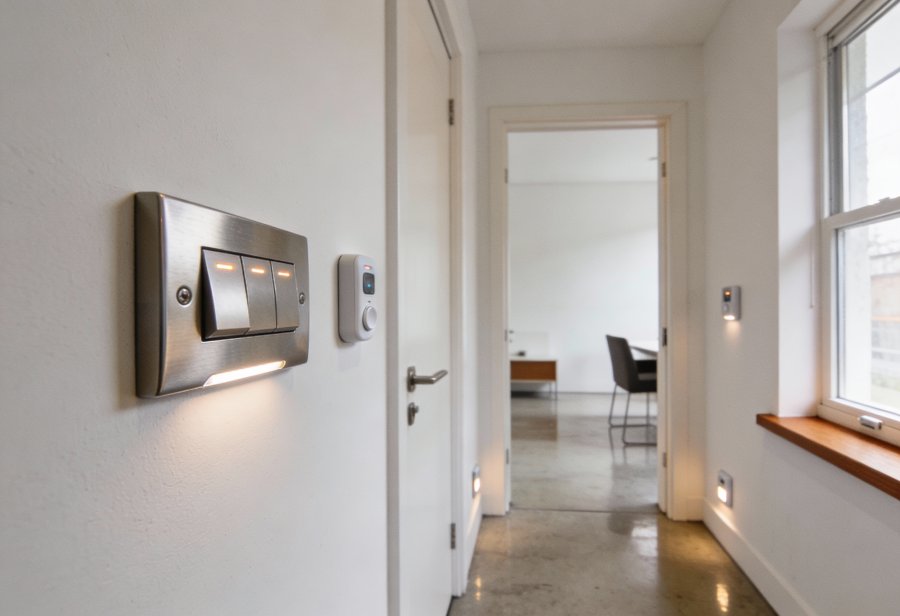
Home security has transformed dramatically from the days when locking the front door was enough. Back then, a sturdy lock and a basic alarm kept most intruders at bay, and that was often sufficient. But as threats have become more sophisticated and unpredictable, so too have the solutions. Today’s homes face a range of dangers—from burglaries and vandalism to cyber intrusions—and protecting against these requires a layered, integrated approach. Modern security systems combine various technologies into a seamless network that works together to keep families safe, offering features like remote access, real-time alerts, and automation that proactively respond to potential threats.
This shift reflects a broader understanding of safety. Traditional locks prevent unauthorized entry but can be bypassed or disabled by determined intruders. As threats evolve, so must our defenses. Contemporary security emphasizes a multi-layered strategy—integrating cameras, sensors, smart locks, and professional monitoring—to create a comprehensive safety web. These systems are adaptable, allowing homeowners to respond instantly or even prevent incidents before they happen. They turn a passive security setup into an active, proactive defense.
Advances in technology have made these solutions more accessible and user-friendly than ever before. Remote control capabilities enable homeowners to monitor their property from anywhere via smartphone or computer. Cameras now provide live feeds, motion detection, and night vision, making them both deterrents and sources of crucial evidence. Customizable alarms and smart access controls—like keyless entry and biometric scanners—offer convenience without sacrificing security. When integrated with home automation, these systems create a smarter, safer living environment that adapts to daily routines and potential risks.
Yet, relying solely on remote-controlled systems isn’t foolproof. Connectivity issues, hacking attempts, and technical glitches can undermine even the most advanced setups. That’s why a layered approach still matters—combining digital tools with physical security measures and professional oversight. When these elements work together, they provide a resilient safety net that’s ready to handle a variety of threats, giving families peace of mind regardless of how unpredictable today’s world may be.
As technology continues to evolve, so does the potential for smarter, more responsive home security. Innovations like AI-powered cameras that analyze behavior patterns and detect suspicious activity are already changing the game. These tools enable homes to act proactively, reducing response times and deterring threats before they escalate. Staying ahead means understanding both the capabilities and limitations of current systems and being willing to adapt as new threats and solutions emerge. Ultimately, modern home security isn’t just about gadgets; it’s about creating an integrated, responsive system that keeps families safe in an unpredictable world.
Core Elements of Modern Home Security Systems
Modern home security systems are built from several key components that work together to form a comprehensive safety network. Surveillance cameras are central to this setup, evolving beyond simple recording devices. Today’s cameras offer remote access, allowing homeowners to view live footage from smartphones, tablets, or computers no matter where they are. They serve as both a visual deterrent to intruders and a vital source of evidence if an incident occurs, especially when equipped with motion detection and night vision features that enhance their vigilance.
Alarm systems are another critical element, designed to alert homeowners and professionals immediately when triggered. Modern alarms are highly customizable, with sensors on doors, windows, and even glassbreak detectors. When activated, they send instant notifications to your device or a monitoring center, enabling swift action. Many systems now log activity, providing a detailed record of who entered or exited and when, which adds an extra layer of oversight and accountability for families and security teams alike.
Smart access control solutions have transformed entry management. Instead of relying solely on traditional keys, homeowners can now use keyless locks, smartphone apps, or biometric options like fingerprint scanners. These systems make it easy to grant or revoke access remotely, perfect for visitors, service providers, or family members. They also generate detailed logs of entries and exits, boosting security while offering convenience. When integrated with other smart devices, access controls can trigger routines such as turning on lights or activating cameras, creating a seamless security experience.
Connecting these components through a unified platform is where modern home security truly shines. Home automation systems enable different devices to communicate and respond automatically. For instance, if a camera detects suspicious activity, the system can turn on outdoor lights, lock doors, and send alerts—all on its own. This integration allows for proactive responses, reducing the need for manual intervention and increasing overall safety. It simplifies management, giving homeowners control over their entire security environment from a single app or device.
The strength of today’s security setup lies in how these elements complement each other. Cameras, alarms, and access controls each serve specific roles, but their combined power creates a layered defense. This approach not only enhances protection but also allows for customization based on household needs and routines. When these components work together seamlessly, they form a resilient, adaptable safety net capable of responding swiftly to a wide range of threats.
In essence, the modern security ecosystem is about more than just gadgets. It’s a dynamic, integrated system designed to provide real-time, proactive protection. As threats evolve, so do these technologies, offering smarter, more responsive solutions that keep families safe. The result is a home environment where safety is proactive, flexible, and tailored to the unpredictable challenges of today’s world.
Secure Your Markham Property with F.I.S.T Security’s Expert Solutions
As a proud Canadian owned and operated business based in Markham, Ontario, F.I.S.T Security has built a solid reputation for providing top-tier security services tailored to your needs. From intruder detection and CCTV to innovative card access systems, our team goes the extra mile to ensure your safety. We also specialize in intercoms, alarm monitoring, remote video surveillance, lighting, and environmental controls—delivering comprehensive security solutions for residential and commercial properties. At FIST Security, customer satisfaction and reliability are our priorities, and we are committed to exceeding expectations whenever asked. Contact us today at 416.755.4233 or email [email protected] to learn how we can secure your Markham property with trusted expertise.
Cutting-Edge Trends and Practical Implementations in Home Security
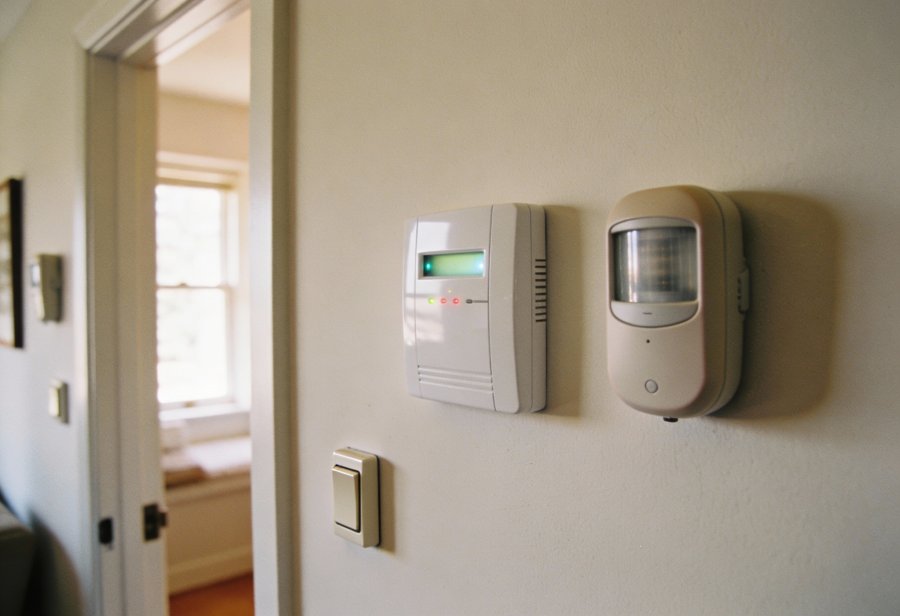
Recent advances in home security are shifting the landscape from passive deterrence to active protection, thanks to smarter, more intuitive solutions. AI-powered cameras now analyze movement and behavior in real time, distinguishing between normal activity and potential threats. When suspicious behavior is detected, these systems can instantly alert homeowners or notify authorities, dramatically reducing response times and increasing the chances of preventing incidents before they escalate. This proactive approach makes the home a participant in its own safety rather than just a target.
Smart home integration continues to evolve, creating a unified control hub for security, lighting, climate, and more. With everything connected through a single platform or voice assistant, managing a home’s safety becomes more seamless. For example, if a security sensor picks up unusual movement, the system might turn on exterior lights, lock doors, and activate cameras automatically. This interconnected response ensures swift, appropriate action without manual intervention, making security more reactive and less burdensome for homeowners.
One particularly notable innovation is the smart doorbell with facial recognition technology. It can identify familiar visitors, send live video alerts to your phone, and allow remote interaction. This not only enhances security but also adds a layer of convenience—letting homeowners see who’s at the door and decide whether to open it, even when they’re away. Such features turn a simple doorbell into a powerful tool for household safety, deterring intruders and providing peace of mind.
Community-wide security networks are beginning to demonstrate real-world benefits. Multiple homes connected through shared alerts and surveillance create a collective defense. Automated routines—like arming systems at night or disarming upon arrival—minimize human error and ensure consistent protection. These practical implementations show how technology can foster safer neighborhoods and make individual homes more resilient against a variety of threats.
Looking ahead, these trends point toward increasingly intuitive systems that learn household routines and adapt responses accordingly. Faster networks like 5G will support real-time data transfer, minimizing delays during emergencies. However, as connected devices become more prevalent, cybersecurity becomes a critical focus. Securing these systems against hacking attempts and digital threats is essential to maintaining their effectiveness and homeowners’ peace of mind.
While the promise of smarter security is exciting, challenges remain. Connectivity issues, privacy concerns, and the risk of cyberattacks require ongoing attention. Combining high-tech solutions with physical safeguards—such as sturdy locks and outdoor lighting—creates a layered defense that can withstand evolving threats. Staying informed about emerging innovations and maintaining a balanced security strategy is key to keeping homes safe in an unpredictable world.
Expert Insights: Best Practices for Effective Home Protection
Effective home security starts with a tailored approach that considers the unique layout and vulnerabilities of each household. Security professionals emphasize the importance of conducting a thorough risk assessment to identify weak points, whether physical or technological. This evaluation guides the selection of a balanced mix of devices—such as cameras, sensors, and smart locks—that work cohesively to form a resilient defense. When these elements are well-coordinated, they don’t just act as standalone safeguards but create a layered system that’s adaptable to changing threats.
Professional monitoring services play a vital role in elevating home security. Trained operators overseeing alerts can verify suspicious activity quickly, often preventing incidents from escalating. Their immediate response and ability to coordinate with emergency responders make a significant difference, especially when homeowners are away or unable to react in real time. This active oversight transforms a smart system from a passive deterrent into an active protector, providing peace of mind and a swift, expert response to potential crises.
Regular maintenance is crucial to keep security systems reliable. Updating firmware, checking sensor sensitivities, and testing device connections prevent false alarms and ensure that everything functions as intended during an emergency. Professionals recommend routine inspections, especially after weather events or system updates, to avoid vulnerabilities caused by outdated or malfunctioning equipment. Consistent upkeep guarantees that the system remains responsive and accurate, ready to act when needed most.
Staying informed about emerging threats and new technology is essential for effective security management. Experts highlight that integrating the latest features—like AI-driven threat detection or biometric access—can significantly boost safety. However, understanding how to implement and manage these innovations correctly is just as important as their capabilities. Trusted providers who keep pace with advances can help homeowners adapt their systems, ensuring they stay ahead of evolving risks.
Beyond technology, human factors play a key role. Educating family members about security best practices, such as proper use of access codes and recognizing suspicious behavior, complements the technical setup. Routine habits like reviewing surveillance footage or updating access permissions create a proactive security culture within the household. When everyone understands their role in maintaining safety, the overall system becomes more effective and resilient.
Flexibility and continuous improvement are vital in today’s unpredictable environment. Security professionals advise regularly reviewing your setup, especially after major life changes or new threats emerge. Incorporating feedback and lessons learned from incidents helps refine the system, making it smarter and more responsive. This proactive attitude ensures your home security evolves in tandem with the risks it faces, maintaining its integrity over time.
Finally, trust in a professional security provider offers reassurance that your system is optimized and up-to-date. Experts recommend choosing established companies with a track record of reliable service and ongoing support. Their guidance can help you navigate the complexities of integrated security, from system design to response protocols. With expert oversight, your home becomes not just a collection of gadgets but a dynamic, robust safety environment that adapts to the challenges of today’s world.
Future of Home Security: Innovations and Challenges Ahead
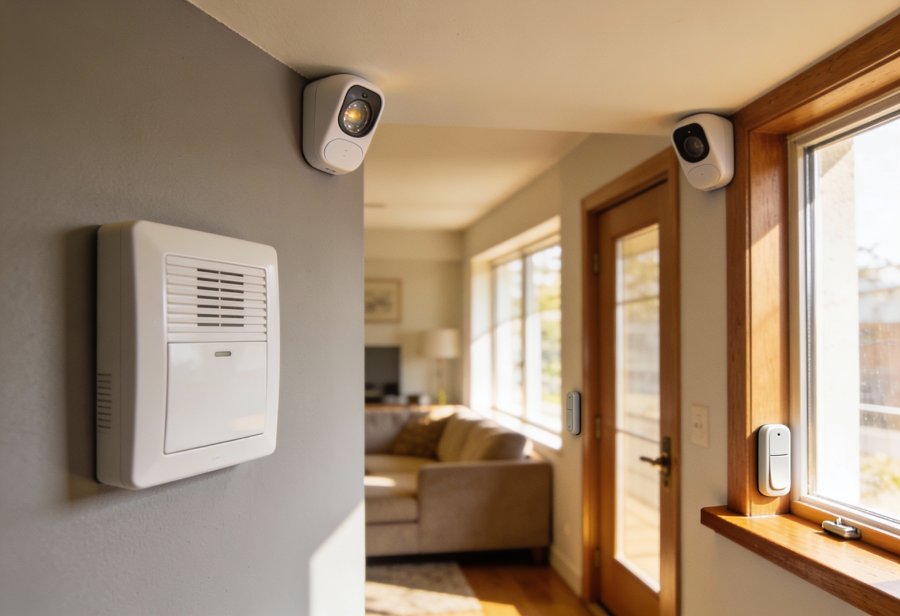
The future of home security is moving toward smarter, more integrated solutions that seamlessly blend technology with daily life. Advances like artificial intelligence, facial recognition, and deep home automation will transform security systems from reactive tools into proactive partners. These innovations will enable homes to learn routines, identify potential threats early, and respond automatically, creating a personalized safety environment that adapts to changing circumstances and evolving risks.
Connectivity will become even more critical as 5G networks roll out, allowing devices to communicate instantly and operate reliably even during network disruptions. This will ensure real-time responses in emergencies, reducing delays and increasing effectiveness. However, as these connected systems expand, cybersecurity will remain a vital concern. Protecting data and preventing hacking attempts will be essential to maintaining trust and safety in these advanced environments.
The trend toward deeper system integration promises a future where security devices work harmoniously with lighting, climate control, and access management—managed from a single app or voice command. Automated routines, like locking doors or activating cameras upon departure, will become standard, making security effortless and less burdensome. Such interconnected solutions will enable families to respond swiftly to threats, ensuring their homes are resilient against a wide range of unpredictable dangers.
While these technological strides offer significant benefits, they also introduce challenges. Privacy issues, device vulnerabilities, and system complexities require ongoing attention. Homeowners should stay informed, choose reputable providers, and prioritize layered security—combining digital innovations with physical safeguards like sturdy locks and outdoor lighting. This balanced approach ensures that safety isn’t compromised by over-reliance on digital systems alone.
Adapting to the rapid pace of innovation means continuously reviewing and updating security strategies. Regular upgrades, routine checks, and staying abreast of emerging threats will be key to maintaining an effective defense. Embracing new tools while safeguarding privacy and cybersecurity will help create a home environment that’s not only smarter but also more secure against tomorrow’s uncertainties.
Looking ahead, the goal is to build homes that are both resilient and intuitive—systems that anticipate threats and respond proactively. As technology evolves, so will the potential to create safer, more connected living spaces that protect families from the unpredictable challenges of the modern world. By integrating innovation with practical security measures, homeowners can enjoy peace of mind knowing their homes are prepared for whatever comes next.