In an era where communication is the backbone of business success, the evolution from traditional landlines to advanced VoIP and cloud-based systems has transformed how organizations connect, collaborate, and compete. Modern tools offer seamless integration of voice, video, and messaging, empowering remote and hybrid teams while projecting a professional image. But as technology advances—incorporating AI, enhanced security, and smarter automation—are businesses truly maximizing these innovations to stay agile and resilient? The shift not only reduces costs and boosts scalability but also raises critical questions about safeguarding sensitive data and maintaining personalized, effective customer interactions. As future communication systems promise even deeper integration and smarter features, organizations face the challenge of balancing innovation with security and human touch. Will the next wave of digital transformation redefine how companies build relationships and secure their market position in an increasingly connected world?
Quick Navigation
Elevate Your Business Communications with FiberConX’s VoIP Solutions in Canada
Enhance your company’s communication infrastructure with FiberConX Communications, a leading provider of voip service for business in Canada. Specializing in VoIP and IP business phone services, FiberConX offers features like voicemail, IVR, ring groups, and voicemail-to-mail, ensuring seamless and professional communication for your team. Whether you need a scalable solution or reliable support, FiberConX is committed to delivering tailored services that keep your business connected. For inquiries, contact [email protected] or call 1.416.945.9210 to learn more about how their innovative VoIP solutions can benefit your organization.
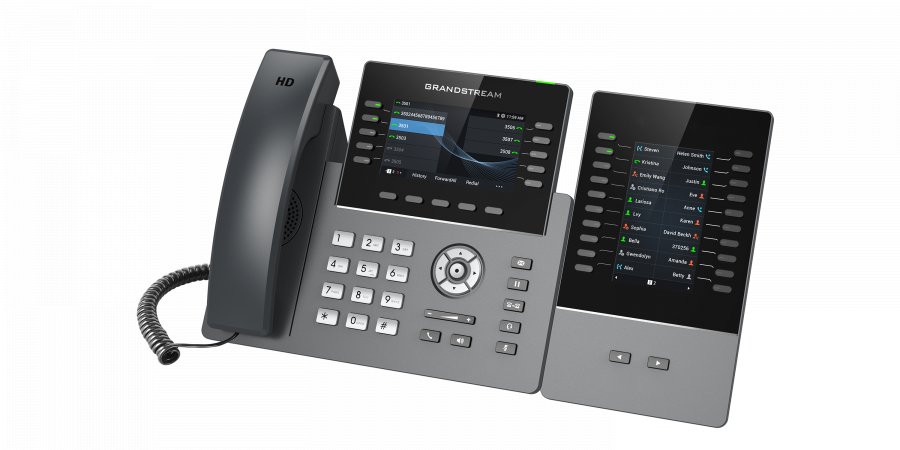
Revolutionizing Business Connectivity: Embracing Modern Phone Solutions
In today’s fast-moving business world, staying connected isn’t just a convenience—it’s essential. Clear, dependable communication channels allow companies to respond swiftly to customer needs, coordinate teams effectively, and maintain a competitive edge. As technology has advanced, so too have the tools that keep us linked, shifting from traditional landlines to more sophisticated solutions.
Once, landline phones were the primary way companies communicated. They offered reliable voice calls but lacked the flexibility and features modern organizations now rely on. With the rise of remote work and global markets, these systems started to show their limits. Companies needed more adaptable, scalable options that could support a distributed workforce and evolving customer expectations.
This need sparked the shift to internet-based systems, especially Voice over Internet Protocol (VoIP). VoIP turns voice signals into data sent over the internet, reducing costs and increasing flexibility. Features like voicemail-to-email, call forwarding, and video conferencing quickly became standard, enabling teams to stay connected from anywhere—whether in the office, at home, or on the move. This transformation made communication more seamless and responsive than ever before.
Cloud-based phone systems took things further by offering remote management and simple updates. Organizations can add new lines or features through online dashboards, making growth and adjustments straightforward. These systems also enhance resilience; if hardware fails or internet connectivity drops, calls can be rerouted to mobile devices or backup systems, ensuring continuous service without interruptions.
Beyond basic connectivity, modern solutions focus on professionalism and security. Auto-attendants and call routing create a smooth experience for callers, projecting a polished company image. Encryption and compliance tools safeguard sensitive information, helping organizations meet regulatory standards and build trust with clients. These features ensure that communication remains both efficient and secure in today’s data-conscious environment.
From landlines to cloud-based VoIP, the evolution of business phone systems mirrors broader digital transformation. It’s not just about making calls anymore—it’s about empowering organizations to operate more efficiently, securely, and flexibly in an interconnected world. Choosing the right communication tools today sets the foundation for long-term success and agility in a competitive landscape.
From Landlines to Cloud: Tracing the Evolution of Business Communication
The way businesses communicate has undergone a dramatic transformation over the decades, driven by technological advances and changing operational needs. For a long time, landline phones reigned as the primary tool for corporate communication. They offered reliable, straightforward voice connections that allowed companies to connect with clients, partners, and employees with clarity. However, while dependable, landlines had clear limitations—they lacked flexibility, didn’t support remote work, and couldn’t seamlessly integrate with newer communication tools. As businesses expanded and the demand for more dynamic interactions grew, these systems increasingly proved inadequate.
The digital revolution brought about a significant shift with the advent of Voice over Internet Protocol, or VoIP. This technology revolutionized business communication by transmitting voice calls over the internet instead of traditional copper lines. VoIP drastically reduced costs and allowed for easier scaling, as adding new lines or features no longer required costly hardware upgrades. Instead, companies could manage their systems through simple online platforms, making adjustments quick and straightforward. VoIP also unlocked a host of new capabilities, including video conferencing, instant messaging, and mobile integration, which traditional landlines simply couldn’t support.
As internet speeds improved and connectivity became more reliable, cloud-based communication platforms emerged, further transforming the landscape. These platforms allowed organizations to manage their phone systems remotely, eliminating the need for extensive on-site hardware. This shift not only cut maintenance costs but also enhanced resilience—calls could be rerouted to mobile devices or backup systems if hardware failed or internet connectivity was disrupted. Such flexibility became increasingly vital as customer expectations for uptime and responsiveness grew.
Alongside these technological advancements, new features aimed at enhancing professionalism and customer experience appeared. Auto-attendants, virtual receptionists, and advanced call routing enabled even small businesses to project a polished, organized image. These tools improved call handling efficiency and created a smoother experience for callers, helping organizations build trust and loyalty. As industries adopted these features, the distinction between small startups and large corporations blurred, with all benefiting from the capabilities once reserved for bigger firms.
Market demands for remote work, security, and regulatory compliance further fueled innovation. Mobile integration allowed employees to stay connected from anywhere, while encryption and call recording addressed security concerns. These developments made modern communication systems more adaptable and secure, supporting both internal collaboration and customer interactions. The evolution from landlines to cloud-based VoIP reflects a broader digital transformation—one rooted in the need for flexibility, security, and seamless connectivity in an increasingly interconnected world.
Each step in this progression built on the last, creating a foundation for today’s versatile, integrated communication platforms. This ongoing evolution has reshaped not just the technology but also how organizations operate, making them more agile, responsive, and better equipped to meet future challenges. The shift from traditional landlines to internet-based systems highlights how innovation continues to drive smarter, more efficient business communication.

Current Trends in Business Phone Services: Seamless, Secure, and Scalable
The landscape of business phone services today is more flexible and integrated than ever before. Most companies now rely on VoIP and cloud-based solutions that prioritize seamless communication, combining voice, video, messaging, and collaboration tools within a single platform. This integrated approach helps organizations streamline workflows, respond faster, and convey a professional image to clients and partners.
Modern systems are built around automation and intelligent features. Auto-attendants and advanced call routing are standard, directing callers efficiently and reducing wait times. Mobile app integration allows staff to make and receive calls from smartphones and tablets, ensuring remote or hybrid teams stay connected without missing opportunities. These capabilities work together to enhance customer experience and operational efficiency.
Security has become a top priority as cyber threats grow more sophisticated. Today’s systems incorporate encryption, secure call storage, and compliance tools that protect sensitive data and meet industry regulations. Real-time analytics and reporting provide insights into call performance, enabling businesses to optimize their communication strategies and quickly address bottlenecks.
The shift from traditional landlines to internet-based solutions has driven significant cost savings and scalability. VoIP systems typically have lower setup and maintenance costs, and adding new lines or features is managed easily through cloud dashboards. This adaptability supports rapid growth, allowing businesses to scale operations up or down without heavy infrastructure investments. Additionally, backup and rerouting options ensure calls continue smoothly even during hardware failures or internet disruptions.
Remote work and mobile connectivity are now central to everyday operations. Cloud platforms and mobile integrations enable employees to stay connected from anywhere—whether working from home, on the road, or in the field. This flexibility has transformed how teams communicate, fostering faster decision-making and better customer engagement.
As technology advances, the industry continues to evolve. AI, machine learning, and enhanced security protocols are shaping a future where communication is smarter, safer, and more interconnected. Staying ahead of these trends allows organizations to remain competitive, deliver exceptional service, and adapt quickly to changing market demands.
For businesses seeking reliable and scalable communication solutions, exploring options like a voip phone service can make a significant difference. These services offer the flexibility to adapt to growth and ensure consistent, high-quality connections, making them an essential component of modern business communication strategies.
Real-World Impact: Practical Applications of Advanced Phone Systems
Business phone systems are essential tools that go beyond simple voice calls, playing a central role in daily operations across various industries. For customer support teams, auto-attendants and call routing ensure that callers are quickly directed to the right department, reducing wait times and projecting a professional image. This efficiency not only enhances customer satisfaction but also helps businesses stand out in competitive markets by providing seamless service experiences.
Remote work has become a standard component of modern business strategies, and cloud-based phone systems make it easier for teams to stay connected from anywhere. With features like mobile app integration and softphone capabilities, employees can answer calls, participate in meetings, and collaborate without being bound to a physical office. This flexibility ensures that responsiveness remains high, regardless of location, fostering faster decision-making and better client engagement.
In sales and marketing, advanced features such as video conferencing and real-time messaging have replaced traditional meetings, enabling more interactive demos and quicker follow-ups. Call analytics and performance metrics provide valuable insights into customer interactions, allowing teams to refine their outreach and improve conversion rates. These tools support growth by making communication more targeted and effective, directly impacting business outcomes.
Implementing these systems effectively requires tailoring features to specific workflows and providing ongoing staff training. Customizing auto-attendants, call queues, and routing rules ensures that operations run smoothly and efficiently. Regular review of call data helps identify bottlenecks and optimize resource allocation, keeping the communication infrastructure aligned with evolving business needs.
Security remains a critical concern, especially when handling sensitive customer information. Modern business phone solutions incorporate encryption, secure storage, and compliance features that help organizations meet industry standards and regulatory requirements. Ensuring data protection not only builds trust with clients but also minimizes the risk of breaches that could damage reputation and incur penalties. When deployed thoughtfully, these tools become powerful assets that improve operational resilience, customer experience, and overall competitiveness.

Gazing Ahead: The Future of Business Communication Powered by Innovation
The future of business communication is set to be shaped by rapid advances in artificial intelligence and machine learning. These technologies promise to make interactions more intuitive, with smarter call routing, real-time language translation, and personalized responses becoming standard features. Businesses will increasingly rely on automation to handle routine inquiries, allowing staff to focus on more strategic, creative tasks. This shift not only improves efficiency but also ensures customers receive faster, more accurate assistance regardless of language or time zone barriers, giving companies a distinct competitive edge.
Security will take on even greater importance as cyber threats grow more sophisticated. Biometric authentication, end-to-end encryption, and AI-driven threat detection are expected to become core components of future communication platforms. Protecting sensitive customer data while maintaining ease of use will be a balancing act, but one that is crucial for trust and compliance. These enhanced security measures will help organizations safeguard their operations and build confidence among clients, especially as data privacy regulations tighten worldwide.
Integration across digital tools will deepen, creating unified ecosystems that connect communication platforms with customer relationship management (CRM), analytics, and project management systems. This interconnected approach enables real-time data sharing, smarter decision-making, and highly personalized engagement. Organizations will be able to track customer interactions across multiple channels effortlessly, anticipate needs, and respond proactively—shifting from reactive to strategic communication. Such integration will streamline workflows and foster stronger relationships with clients and partners alike.
Remote and hybrid work are here to stay, and future communication technologies will support these models more effectively than ever before. Cloud-based platforms will offer unmatched flexibility, allowing teams to scale operations quickly and adapt to shifting demands. Voice-enabled interfaces, virtual presence tools, and advanced collaboration features will make working from anywhere feel seamless and natural. This agility will be vital for maintaining productivity, engagement, and a competitive edge in a landscape where geographic boundaries matter less than ever.
As AI-powered virtual assistants and voice interfaces mature, routine tasks like scheduling, follow-ups, and data entry will be handled automatically. This automation will deliver faster, more consistent service, freeing human resources for complex problem-solving and creative endeavors. By embedding smarter, more secure, and deeply integrated communication ecosystems into their operations, organizations can stay ahead of industry trends, better serve their customers, and build resilience for whatever challenges lie ahead.