Modern appliances are more than just shiny upgrades—they are transforming home comfort and efficiency in ways many overlook. From smart refrigerators that monitor food freshness to eco-friendly washing machines that save water and energy, these devices seamlessly adapt to our lifestyles, making daily routines smoother and more sustainable. But how deeply do these innovations impact our overall well-being and environmental footprint? As appliances become interconnected and proactive, they turn routine chores into effortless, intelligent tasks, reducing stress and resource waste. This evolution is shaping homes into responsive ecosystems, where technology supports both convenience and sustainability. Yet, with rapid advancements on the horizon—featuring AI, smarter resource management, and eco-conscious design—are we truly prepared for the future of truly intelligent, eco-friendly living? This ongoing shift invites us to reconsider not just what we upgrade, but how these innovations redefine our everyday lives and our planet’s health.
Table of Contents
Discover Top-Quality Washers & Dryers in Greater Toronto Area with Canadian Appliance Source
Looking for reliable washers & dryers in the Greater Toronto Area? Canadian Appliance Source (CAS) offers an extensive selection of top brand name kitchen and home appliances, including Whirlpool, Bosch, KitchenAid, Samsung, LG, Electrolux, GE, Amana, Frigidaire, JennAir, Maytag, Thermador, and more—all at low prices. Our services include expert advice, instant chat support, and exclusive incentive programs from leading brands to help you save even more. Whether you’re upgrading your laundry room or outfitting your entire home, CAS has the appliances you need. Contact us at 1(877)374-3439 ext. 461 or email [email protected] to learn more about our deals and availability. Trust CAS for quality, affordability, and exceptional customer service in the Greater Toronto Area.

Unveiling the True Power of Modern Appliances: Beyond Aesthetics to Home Transformation
Modern appliances often catch our eye with their sleek designs and smart features, but their true value runs much deeper than appearances. It’s easy to see them as simple upgrades—nice-to-have additions that make life slightly more comfortable. However, this perspective overlooks how these devices are quietly reshaping daily living in ways we might not immediately notice.
The real story is about transformation. Today’s appliances do more than just look good; they actively improve our home comfort and efficiency. From refrigerators that keep food fresher longer to washing machines that use less water and energy, these innovations are making routines simpler and more sustainable. They respond to our needs with precision, often working behind the scenes to optimize performance without us even realizing it.
Smart technology has blurred the line between superficial upgrades and meaningful improvements. Connected appliances can be controlled remotely, scheduled to run during off-peak hours, or even anticipate our habits. This seamless integration turns chores into effortless tasks, freeing up time and mental space. It’s not just about automation—it’s about creating a home environment that adapts to our lifestyles in real time.
Beyond convenience, modern appliances support sustainability. Features like inverter motors, eco-friendly modes, and water-saving functions help families reduce utility bills while lowering their environmental impact. These devices are designed to be more than just functional—they’re built to save resources and operate efficiently, making eco-conscious living easier without sacrificing performance.
This shift towards smarter, greener appliances is transforming homes into connected ecosystems. Devices communicate with each other and with utility providers, working together to optimize energy use and resource management. The result is a home that feels more responsive and resilient, reducing waste and supporting broader efforts to combat climate change.
In essence, appliances today are far more than shiny upgrades. They are integral to creating comfortable, efficient, and sustainable living spaces. Recognizing their true potential helps us see them as essential partners—transforming our homes in ways that go well beyond aesthetics and into the realm of everyday life improvements.
Tracing the Evolution of Household Appliances: From Manual Tools to Smart Devices
The story of household appliances is a journey of constant innovation, showing how simple tools evolved into the sophisticated, efficient devices we rely on today. It all began with basic, manual tools like washboards and open fires, which demanded significant effort and time from households. The advent of electricity in the early 20th century marked a turning point, sparking a wave of new appliances that dramatically transformed daily chores. The refrigerator, for example, revolutionized food storage by extending freshness and reducing waste, changing meal planning and grocery shopping forever.
As technology advanced, devices like vacuum cleaners and washing machines transitioned from manual or semi-automatic models into fully automated systems. Early vacuum cleaners were bulky and noisy, but improvements in motor design and materials made them quieter, more reliable, and easier to use. Washing machines followed a similar path, evolving from semi-automatic units to sophisticated appliances with multiple cycles, water, and energy optimization—saving hours of manual labor and making laundry a quick, routine task.
The introduction of microprocessors in the latter half of the 20th century took appliance technology further, enabling remote control and programmability. Early smart features like timers and temperature controls laid the groundwork for today’s connected appliances. These innovations allowed users to customize and manage their devices more precisely, leading to significant savings in energy and water while boosting convenience. This era marked the beginning of appliances that could respond to household needs with minimal human intervention.
In recent decades, connectivity has become a game-changer. Modern appliances now feature Wi-Fi integration, touchscreens, and voice control, transforming household management into a seamless, interactive experience. Smart refrigerators can track inventory, suggest shopping lists, and even notify you when supplies run low. Likewise, smart washing machines optimize cycles based on load size and fabric type, all controlled remotely. These advances turn routine chores into effortless, automated tasks that adapt to our lifestyles.
Design innovations continue to push appliance capabilities, focusing on sustainability and efficiency. Eco-friendly features like inverter motors, water-saving technologies, and self-cleaning functions are now standard. These improvements help households reduce utility bills and environmental impact without compromising performance. As a result, appliances are increasingly seen as integral parts of sustainable living, blending convenience with eco-consciousness.
Looking ahead, the pace of technological progress shows no signs of slowing. Future appliances will likely become even more intelligent, capable of predicting needs and adjusting proactively. Integration within home ecosystems will deepen, with appliances communicating with each other and with energy grids to optimize resource use. This ongoing evolution promises not just smarter homes but more sustainable and resilient living environments, where technology seamlessly enhances everyday life.
Redefining Comfort and Sustainability: The Transformative Impact of Modern Appliances
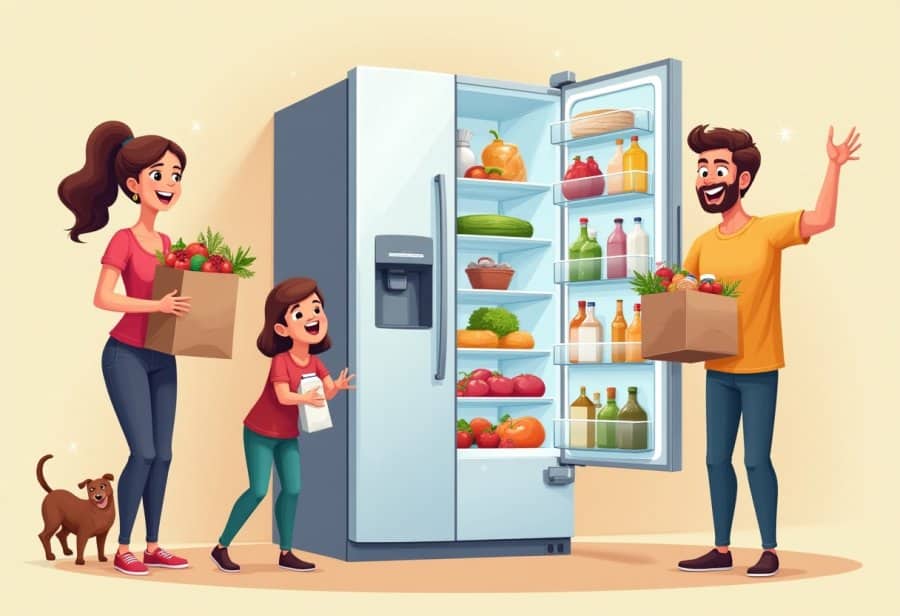
Modern appliances have evolved far beyond their original roles of simple functionality and sleek appearances. Today’s devices actively enhance home comfort through precise temperature controls, quieter operation, and adaptive routines that seamlessly fit our lifestyles. This transformation turns everyday chores into smoother, less stressful experiences, making our homes more predictable and enjoyable. For instance, smart refrigerators now monitor food freshness and adjust cooling cycles accordingly, helping to reduce waste and lower energy bills. This intelligent management not only preserves perishables better but also promotes more efficient household routines.
Energy efficiency is at the core of current appliance innovations. Features like inverter motors, eco-friendly modes, and water-saving technologies enable households to cut costs without sacrificing performance. Modern washing machines and dishwashers optimize water and electricity use based on load size, minimizing waste and saving money over time. Smart thermostats learn household patterns and automatically adjust heating or cooling, maintaining comfort while conserving resources. These advancements support sustainability by reducing overall resource consumption and helping families lower their environmental impact.
Connectivity takes these benefits even further. Today’s devices are integrated into home networks and can be operated remotely via smartphones or voice commands. This connectivity transforms chores into automated, coordinated tasks—whether it’s starting a load from your phone or receiving alerts about low stock in the fridge. Such features turn routine household management into effortless activities, freeing mental space and reducing daily stress. Appliances no longer just respond to commands; they anticipate needs and adapt proactively.
These technological leaps also have a significant environmental impact. Energy-efficient appliances help alleviate demand on power grids during peak times, preventing overloads and blackouts. Scheduling appliances to run during off-peak hours further reduces overall energy consumption, supporting broader sustainability efforts. Water-saving features in laundry and dishwashing appliances conserve vital resources, aligning household routines with eco-conscious values. When adopted widely, these innovations can lead to community-wide savings and a notable reduction in carbon emissions.
Reliability and maintenance are improved through smart diagnostics and durable design. Modern appliances are built to last longer and include features that alert homeowners to potential issues early on. Routine care, such as filter cleaning or professional servicing, keeps devices running efficiently and extends their lifespan. A dependable appliance operates silently in the background, ensuring household routines remain uninterrupted and stress-free. This reliability makes high-quality appliances a smart investment for long-term comfort.
Eco-friendly design is increasingly prioritized by manufacturers. Many appliances now feature sustainable materials, recyclable components, and self-cleaning functions that reduce waste. Energy-saving modes and water-efficient settings help families lower utility bills while aligning with environmental goals. These innovations demonstrate that responsible choices in appliances can deliver high performance without compromising sustainability. As a result, eco-conscious appliances are reshaping expectations and encouraging more sustainable consumer habits.
Ultimately, these advancements are transforming homes into smarter, greener ecosystems. Appliances now coordinate with each other and with utility providers to optimize energy and resource use in real time. This interconnected approach reduces waste, lowers emissions, and creates more resilient communities. As technology continues to evolve, appliances will become even more intuitive and proactive, elevating daily living from routine chores to effortless, sustainable experiences. These innovations are not just upgrades—they are the foundation of future-ready homes that prioritize comfort, efficiency, and environmental responsibility.
With such advancements, choosing the right appliance becomes increasingly important. For example, investing in the best dishwasher can significantly improve your kitchen’s efficiency and sustainability. To find the top options that combine performance with eco-friendliness, explore the available models at best dishwasher.
Everyday Advantages and Systemic Benefits: Practical Implications of Appliance Innovation
Modern appliances do more than simplify household chores; they actively shape how we live and manage our homes every day. For instance, smart refrigerators equipped with temperature sensors and inventory alerts help keep food fresher longer, reducing waste and ensuring healthier eating habits. Similarly, energy-efficient washing machines optimize water and electricity use, cutting utility bills while maintaining cleaning performance. These innovations turn routine tasks into seamless, less stressful experiences, freeing up time and mental space for other priorities.
Beyond individual convenience, appliances influence larger systems like energy grids and environmental sustainability. When households adopt energy-saving models, they ease demand on power grids during peak hours, helping prevent overloads and potential blackouts. Scheduling appliances to operate during off-peak times further reduces overall energy consumption, contributing to a more stable and eco-friendly community. This collective shift in household choices amplifies benefits, lowering emissions and conserving vital resources on a broader scale.
Reliable appliances also minimize disruptions and reduce maintenance costs. Modern devices are designed for durability and often include smart diagnostics that alert homeowners to potential issues early. Regular upkeep—such as cleaning filters or scheduling professional check-ups—keeps appliances running efficiently and extends their lifespan. This proactive approach not only prevents unexpected breakdowns but also ensures household routines remain smooth and stress-free.
The integration of smart technology enhances these advantages. Connected appliances, controlled via smartphones or voice commands, transform chores into automated, coordinated tasks. Whether starting a load remotely or receiving alerts about low supplies, these features make household management more intuitive and less burdensome. Appliances anticipate our needs and adapt accordingly, creating a home environment that feels responsive and effortless.
Sustainability is increasingly woven into appliance design. Many models now feature recyclable components, self-cleaning functions, and eco-friendly modes that lower resource use without sacrificing performance. This focus allows families to cut utility bills and reduce their environmental impact while enjoying modern convenience. Such innovations help embed responsible living into everyday routines, making sustainability a natural part of home management.
These technological advances also foster interconnected home ecosystems. Appliances communicate with each other and with energy providers to optimize resource use in real time. This coordination reduces waste, lowers emissions, and enhances resilience—especially during peak demand periods. Homes become smarter and more adaptive, actively contributing to environmental goals while maintaining comfort and efficiency.
Finally, ongoing innovation promises even greater integration and intelligence. Future appliances will likely learn household patterns, predict needs, and respond proactively, elevating daily routines into effortless, sustainable experiences. As these technologies evolve, they will support homes that are not only more comfortable and efficient but also more environmentally responsible, shaping a smarter, greener future for us all.

Embracing the Future: Innovations Shaping Smarter, Greener Homes
The future of household appliances is poised to bring even more remarkable transformations. Advances in artificial intelligence and machine learning will make these devices smarter and more intuitive, capable of seamlessly adapting to our routines and preferences. Instead of merely responding to commands, future appliances will anticipate our needs, creating personalized home environments that feel almost alive. This evolution will deepen the integration of appliances into our daily lives, turning them into proactive partners that enhance comfort and efficiency effortlessly.
Sustainability will remain a key driver of innovation. Manufacturers are increasingly focused on eco-friendly materials, energy-efficient technologies, and smarter resource management. Expect appliances to feature self-cleaning functions, recyclable components, and low-impact manufacturing processes that make sustainable living easier without sacrificing performance. These advancements will help families lower their carbon footprints and utility bills, aligning everyday routines with broader environmental goals.
The interconnected home ecosystem will grow more sophisticated, with appliances communicating seamlessly with each other and with utility providers. Imagine a household where your refrigerator, oven, washing machine, and lighting work together to optimize energy use in real time. This level of coordination can lead to significant savings, reduce waste, and increase resilience during peak demand or outages. Such integration will make household management more fluid and responsive, creating smarter neighborhoods that contribute to global sustainability efforts.
Despite rapid technological progress, choosing quality will remain essential. As appliances become more advanced, proper installation and ongoing maintenance will ensure they operate reliably over the long term. Features like remote diagnostics and self-diagnosing systems will support this, but investing in reputable brands and professional guidance will maximize their lifespan and benefits. A well-maintained, high-quality appliance becomes an enduring asset, continuously delivering convenience, efficiency, and peace of mind.
Looking even further, we can envision appliances that serve as intuitive, proactive partners rather than mere tools. Ovens that automatically adjust cooking times based on ingredients or washing machines that optimize water and energy use through real-time data will elevate routines from mundane chores to effortless, integrated experiences. These innovations will free up more time and mental space, allowing us to focus on what truly matters.
Beyond individual homes, these technological trends will play a vital role in broader efforts to combat climate change. Widespread adoption of energy-efficient, connected appliances will help reduce overall consumption and emissions on a community level. As the industry prioritizes recyclability and low-impact materials, we move closer to a circular economy that minimizes waste and conserves resources. This collective shift supports a more sustainable future where smart technology and responsible design go hand in hand.
As appliances continue to evolve, they will become essential in shaping homes that are not only more comfortable and efficient but also more environmentally responsible. Each innovation pushes us toward living spaces that adapt to our needs while respecting the planet. Embracing these advances early allows us to enjoy smarter, greener homes today and contribute to a resilient, sustainable tomorrow. The journey ahead promises a future where technology and sustainability work together to redefine what it means to live well.