In an era where clear, reliable communication can define a company’s success, how can customized telephony solutions revolutionize your network’s efficiency and deployment? Grandstream’s innovative IP phones and centralized management tools offer a transformative approach, blending scalability with simplicity. Unlike traditional systems, their cloud-managed platforms enable seamless configuration, monitoring, and expansion—reducing errors and downtime. But as organizations shift from costly landlines to flexible, internet-based systems, questions about network quality, security, and integration naturally arise. Will your infrastructure support the demanding quality of voice without disruption? The answer lies in advanced device management and scalable hardware solutions, designed for rapid deployment across multiple locations. As future-proof, feature-rich communication becomes essential, mastering these digital solutions isn’t just an upgrade—it’s a strategic move toward agility and professionalism, raising a critical question: is your business ready to harness the full potential of customizable telephony?
Contents
Elevate Your Business Communications with FiberConX’s Advanced VoIP Solutions in Canada
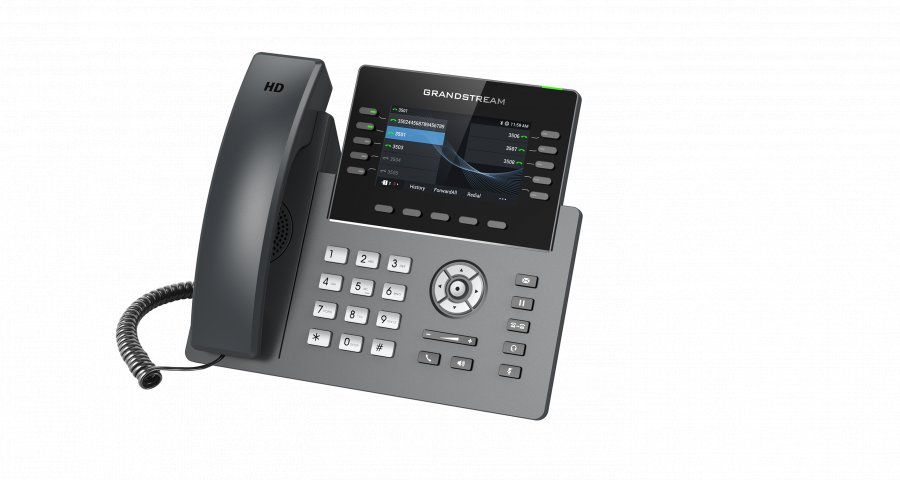
Discover the power of reliable VoIP & IP business phone services with FiberConX Communications, a leading provider based in Canada. Our solutions come equipped with features like voicemail, IVR, Ring Groups, and voicemail-to-mail, ensuring seamless communication for your team. Enhance your desk setup with top-tier devices such as the Grandstream GXP2170, the Grandstream GRP2615, GRP2614, and GRP2634 models, designed for flexibility and performance. Whether you’re a small business or a large enterprise, FiberConX offers tailored communication solutions to meet your needs. Contact us today at 1.800.961.6856 or [email protected] to learn more about how our VoIP services can transform your business communication infrastructure.
Transform Your Business Communication with Customizable Telephony Solutions
In today’s fast-paced business world, clear and reliable communication isn’t just a convenience—it’s a necessity. Whether you’re managing client calls, coordinating team efforts, or handling daily operations, the way your business communicates can significantly impact success. Relying on generic, one-size-fits-all telephony systems often leads to inefficiencies and missed opportunities. That’s where customizable telephony solutions come into play, offering a tailored approach that aligns perfectly with your unique workflows and business goals.
These solutions are designed to adapt to your organization, providing flexibility that traditional phone systems simply can’t match. Instead of being limited by rigid hardware or fixed features, customizable telephony allows you to select, configure, and expand your network according to your specific needs. This means you can set up call routing rules, create department-specific extensions, and incorporate advanced features like voicemail-to-email or video calling—all customized to improve your team’s efficiency and professionalism.
The foundation of these adaptable systems is internet-based technology. Moving away from traditional landlines, IP-based telephony transmits voice data over the internet or private networks. This shift lowers costs, enhances scalability, and simplifies integration with other digital tools your business may already use. It also enables remote management, so updates and troubleshooting can be handled from anywhere, reducing downtime and supporting flexible work arrangements. As your organization grows, this digital infrastructure ensures your communication system can expand seamlessly without major overhauls.
At the core of these systems are IP phones, which connect directly to your network and convert voice signals into digital data packets. Modern IP phones offer high-definition audio, video calling, and a host of management features that make them versatile tools for today’s workplaces. Because they’re network-based, these devices can be configured, monitored, and updated remotely—saving time and reducing the need for on-site maintenance. Whether deploying a handful of phones in a single office or thousands across multiple locations, this infrastructure supports quick setup and ongoing control.
Managing large networks of IP phones can be complex, but centralized platforms like Grandstream’s GDMS make this task much easier. With such tools, your IT team can configure, provision, and monitor hundreds or thousands of devices from a single interface. This centralized management eliminates the need for manual setup on each device, significantly reducing errors and saving time. It also streamlines software updates, troubleshooting, and customization, ensuring your entire communication network remains secure, consistent, and optimized—no matter how widespread your deployment.
Understanding the basics of IP telephony reveals why these solutions are so powerful. They integrate effortlessly with existing network infrastructure, such as Ethernet switches, routers, and Wi-Fi. This compatibility means businesses don’t need to invest heavily in specialized hardware, lowering the barrier to adopting digital communication. Voice data travels as packets over the internet, which supports easy scalability. Adding new users or features is often as simple as adjusting settings or provisioning new devices, making your system adaptable to future growth or evolving needs.
Ultimately, customizable telephony systems are about empowering your organization to communicate more effectively and professionally. They turn your phone network into a strategic asset—one that can be tailored, scaled, and managed with ease. By leveraging internet-based technology and advanced device management tools, you create a flexible, reliable, and efficient communication environment. This, in turn, helps your business stay agile, responsive, and ready to meet the challenges of today’s competitive landscape.

Unveiling the Core Technologies Powering Modern Telephony Systems
Modern telephony solutions are built on internet protocol (IP) technology, which has transformed how voice communication is transmitted and managed. Unlike traditional landline systems that rely on copper wires and physical switches, IP-based systems send voice data as digital packets over data networks like the internet or private LANs. This shift not only reduces costs but also provides unprecedented flexibility, scalability, and integration options, making it possible to design communication networks tailored specifically to your organization’s needs.
At the core of these systems are IP phones, devices that connect directly to your network and convert analog voice signals into digital data packets. Today’s IP phones often feature high-definition audio, video calling, and advanced management capabilities. Because they operate over your existing network infrastructure, IP phones can be configured, monitored, and updated remotely, streamlining deployment and maintenance. Whether you’re managing a handful of phones or thousands across multiple locations, this digital approach supports quick setup and ongoing control, ensuring your communication system evolves smoothly with your business.
Managing large networks of IP phones is simplified through centralized platforms like Grandstream’s GDMS. These tools enable your IT team to configure, provision, and monitor devices remotely from a single interface. This centralized management reduces the need for manual configuration on each device, minimizes errors, and saves significant time. Software updates, troubleshooting, and customization become straightforward tasks, allowing your entire telephony network to stay consistent, secure, and optimized—even as your organization expands or shifts priorities.
The seamless integration of IP telephony with existing network infrastructure means you don’t need to invest heavily in specialized hardware. Ethernet switches, routers, and Wi-Fi networks support voice data transmission as packets over the internet, which naturally lends itself to scalability. Adding new users or features often involves adjusting software settings or provisioning new devices, making it easy to grow your system without major disruptions. This compatibility ensures your telephony solution remains flexible enough to accommodate future needs or technological advancements.
Quality of service is crucial, especially when voice data travels over shared networks. Modern solutions prioritize prioritizing voice traffic to prevent issues like dropped calls or choppy audio. Implementing proper network configurations, such as Quality of Service (QoS) protocols, guarantees that voice packets receive the bandwidth and priority they require. This focus on network optimization ensures your communication remains clear and reliable, even during busy periods or when multiple applications are in use.
Device management is a key advantage of IP telephony. With platforms like Grandstream’s GDMS, administrators can remotely configure settings, update firmware, and troubleshoot issues across all devices, regardless of location. This centralized control reduces the need for on-site visits, accelerates deployment, and ensures consistency across your entire fleet of IP phones. It also allows for quick adaptation, such as implementing new features or security patches, so your system stays current and protected without disrupting daily operations.
The compatibility of IP phones with various digital tools extends their functionality beyond basic calls. Features such as call routing, auto-attendants, voicemail-to-email, and CRM integration enhance productivity and user experience. These capabilities can be customized to fit departmental or individual needs, enabling more efficient workflows and better customer interactions. As technology advances, these devices evolve to support higher audio quality, video conferencing, and AI-driven features, keeping your communication system at the forefront of innovation.
Understanding the principles behind IP telephony reveals why it is such a powerful foundation for modern business communication. Its ability to integrate seamlessly with existing network infrastructure, combined with centralized device management and flexible features, makes it possible to create highly personalized, scalable, and reliable communication environments. This digital foundation empowers organizations to stay agile, responsive, and prepared for future growth, turning their telephony system into a strategic asset rather than just a utility.
Embracing the Future: How Businesses Leverage Customizable Telephony for Growth and Efficiency
Many organizations today are actively adopting customizable telephony systems to stay competitive and agile in a rapidly changing business landscape. Companies of all sizes are discovering that solutions like Grandstream IP phones and cloud-managed platforms offer a level of flexibility traditional systems simply can’t match. These advanced setups enable businesses to craft communication networks tailored precisely to their operational needs, whether that means personalized call routing, department-specific extensions, or rapid scalability. The result is a more responsive, efficient, and professional communication environment that enhances customer interactions and internal collaboration alike.
Deploying telephony solutions today often involves a mix of on-premises hardware and cloud-based platforms. Many organizations initially relied on traditional PBX systems with physical IP phones, which provided control but came with high upfront costs and ongoing maintenance. Now, a growing number of businesses are shifting toward cloud-managed telephony, thanks to platforms like Grandstream’s GDMS. Cloud solutions simplify deployment, reduce infrastructure costs, and make it easy to manage and update devices remotely. This flexibility is especially valuable for multi-location businesses, as it ensures consistency across sites and minimizes the need for on-site technical support.
Despite these benefits, deploying large-scale telephony systems presents some challenges. Ensuring reliable network quality across multiple sites is critical, as poor connectivity can lead to dropped calls and degraded audio. Managing hundreds or thousands of devices can become complex without centralized tools, increasing the risk of configuration errors. Security and privacy are also top concerns, particularly when sensitive data is involved. Fortunately, innovations like Grandstream’s mass deployment devices and centralized management platforms are addressing these issues head-on. They streamline setup, enable quick provisioning, and provide ongoing control, making large-scale deployment more manageable and reliable.
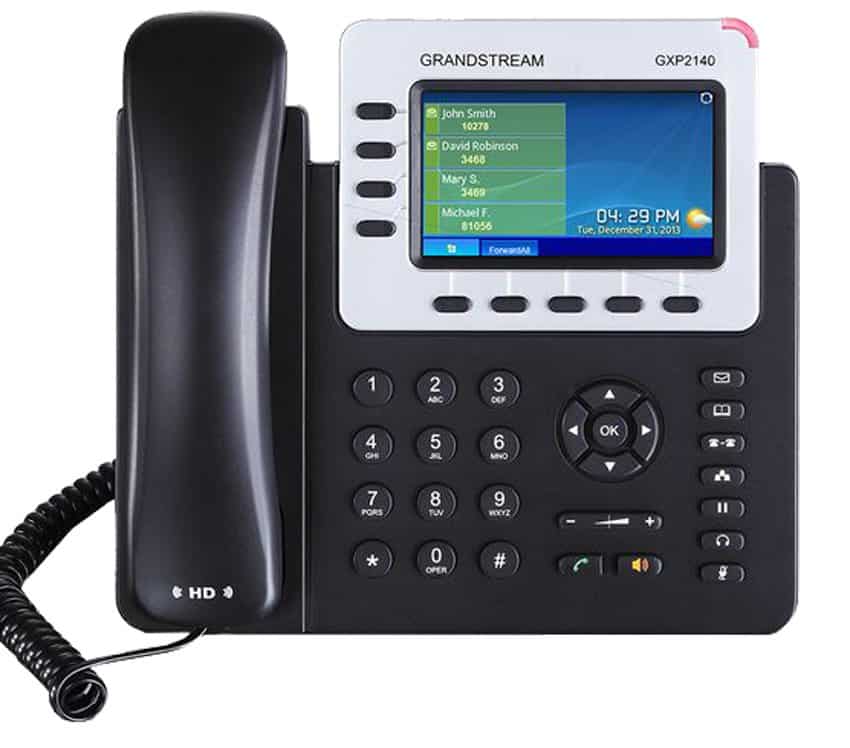
Device selection plays a crucial role in maximizing the potential of customizable telephony. Traditional analog phones fall short of today’s demands, lacking features and flexibility. Digital IP phones, especially models from Grandstream, support high-definition audio, video conferencing, and a wide array of management features. For large deployments, the Grandstream GRP series offers carrier-grade quality and centralized control, making it straightforward to roll out hundreds or thousands of units without sacrificing performance or consistency. These devices are designed for scalability, with features that support personalized communication systems aligned with evolving business needs.
Emerging trends continue to reshape how businesses leverage telephony technology. Cloud-managed solutions are gaining popularity because they simplify ongoing management and enable rapid deployment. Specialized mass deployment devices are now available, designed explicitly for large-scale rollouts, helping organizations quickly equip multiple locations with minimal disruption. These innovations allow companies to build scalable, flexible networks that grow with their business, supporting an increasingly mobile and remote workforce. As technology advances, the value of investing in flexible, customized telephony systems becomes even clearer.
Many companies recognize that a reliable, scalable, and feature-rich telephony network isn’t just a technical upgrade—it’s a strategic move toward better customer service and internal efficiency. Cloud-based management platforms like Grandstream’s GDMS enable real-time monitoring, quick troubleshooting, and seamless updates, all from a single interface. Such capabilities reduce downtime and keep communication flowing smoothly, even as organizations expand or shift priorities. This proactive approach to network management ensures that the system remains aligned with business objectives, providing a foundation for future growth.
The integration of these advanced telephony solutions also enhances operational workflows. Features like call routing, auto-attendants, voicemail-to-email, and CRM integration streamline daily tasks and improve responsiveness. Customizing these features to suit specific departments or roles maximizes productivity and creates a more professional image. As organizations look to future-proof their communication infrastructure, the ability to adapt quickly with scalable, personalized systems becomes a key competitive advantage. This flexibility means your telephony network can evolve in tandem with your business, supporting new services and expanding markets.
In summary, the shift toward customizable telephony systems reflects a broader move toward smarter, more adaptable business communication. Companies are increasingly choosing cloud-managed platforms and scalable hardware solutions to meet growing and changing demands. With devices like Grandstream’s IP phones and control platforms like GDMS, organizations can deploy, manage, and optimize their networks with unprecedented ease. This approach not only improves communication efficiency but also empowers businesses to stay agile, responsive, and ahead in a competitive environment. The future of telephony is seamless, scalable, and tailored—designed to support your success at every level.