The Dodge Charger stands as a roaring symbol of American muscle, blending primal power with rebellious attitude since its inception in the 1960s. Its aggressive design, from wide hips to menacing grilles, signals more than just speed—it embodies a legacy of freedom, defiance, and raw adrenaline. Throughout its evolution, the Charger has balanced nostalgic aesthetics with cutting-edge technology, culminating in modern monsters like the SRT Hellcat, wielding over 700 horsepower. But what truly fuels its mythos is its cultural significance—immortalized in movies, music, and street races—making it more than a vehicle, a statement of rebellion. As technology advances, Dodge aims to preserve its primal essence while embracing electrification and innovation. Will future Chargers maintain their feral spirit in a changing automotive world? One thing’s certain: this beast’s core remains rooted in unleashing the primal instincts of speed, power, and attitude.
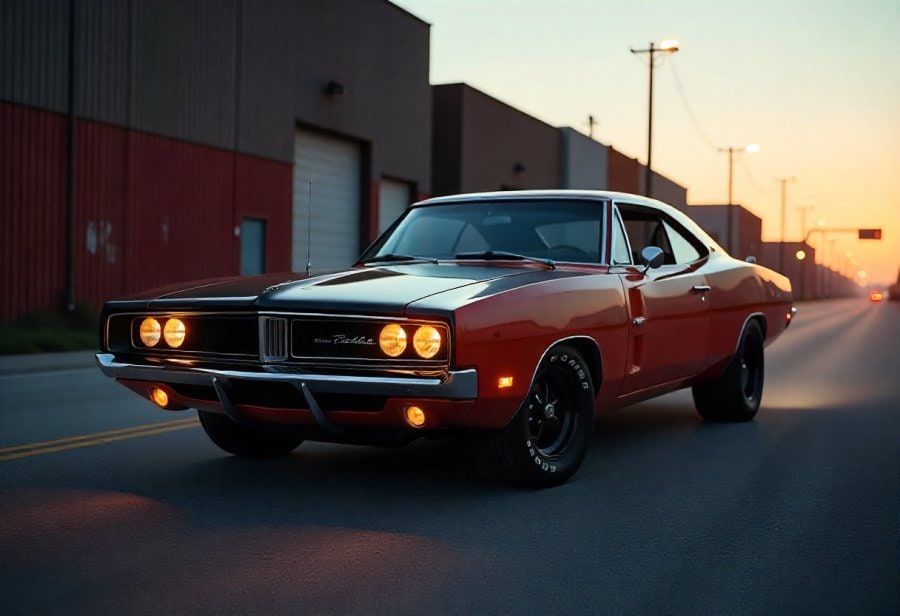
Unleashing American Muscle: An Introduction to the Dodge Charger
The Dodge Charger immediately commands attention with its bold, unmistakable design and rich history, establishing itself as a true icon of American muscle. Since its debut in the late 1960s, it has stood for more than just raw performance; it embodies a rebellious spirit rooted in freedom and unrelenting power. Its aggressive stance, flowing lines, and distinctive grille give it a look that is both timeless and formidable, whether cruising city streets or tearing up the drag strip. The Charger’s visual presence alone signals that this is a machine built to dominate.
At its core, the Charger is about delivering exhilarating power without compromise. Its range of engines—from efficient V6s to thunderous V8s—are designed to produce a commanding roar that echoes its fierce personality. Every rev and acceleration stirs primal instincts, transforming driving into an experience that feels primal and alive. Dodge has continually evolved the Charger to maintain its reputation as a street racing legend while preserving the rebellious attitude that has made it legendary.
The Charger’s history is a saga of innovation and attitude, starting with its first-generation roots from 1966 to 1970. These early models, especially the R/T and Daytona variants, became symbols of high-performance street muscle, celebrated for their speed and style. Despite setbacks in the ’70s and early ’80s due to changing regulations and fuel concerns, the Charger’s spirit never faded. It reemerged in the late 2000s as a modern four-door muscle car, blending nostalgic design cues with contemporary technology.
Today’s Chargers, like the SRT Hellcat, push performance to new heights with supercharged engines delivering over 700 horsepower. These models combine raw power with advanced handling and safety features, making them more than just muscle cars—they’re modern-day street racing icons. Dodge’s skillful balance of nostalgic aesthetics and cutting-edge innovation keeps the Charger relevant, exciting, and fiercely competitive.
Throughout its evolution, the Charger has maintained a consistent identity rooted in rebellion and American muscle. Its design continues to evoke primal strength, with wide hips, hood vents, and aggressive styling cues that signal readiness to unleash power. This blend of classic aesthetic and modern engineering ensures the Charger remains a symbol of unrelenting attitude and performance, inspiring enthusiasts and newcomers alike.
From Icon to Legend: The Evolution of the Dodge Charger
The Dodge Charger’s journey began in 1966, marking the start of its legendary status in the muscle car world. Its bold styling, combined with a range of powerful engine options, quickly set it apart from competitors. The first-generation models, especially the R/T and Daytona variants, became symbols of speed and rebellion, celebrated for their aggressive looks and high-performance capabilities. These early years established the Charger as a street legend, embodying the raw energy of American muscle.
As the decades progressed into the 1970s, the Charger evolved to meet shifting tastes and tightening regulations. Its design became sleeker and more aerodynamic, emphasizing speed and efficiency without losing its muscle car core. Despite these updates, the essence of the Charger as a performance-driven machine remained intact. Rising fuel prices and stricter emissions standards slowed its momentum, leading to a temporary discontinuation in the early 1980s.
The model made a dramatic comeback in the late 2000s, reimagined as a modern four-door muscle car that retained its roots while embracing contemporary technology. Dodge’s revival of the Charger combined nostalgic styling cues with modern engineering, appealing to both longtime fans and new enthusiasts. Its bold lines, muscular stance, and powerful engines bridged the gap between past and present, reaffirming its place in the muscle car scene.
Recent years have pushed the Charger’s performance even further, culminating in models like the SRT Hellcat, which boasts a supercharged engine delivering over 700 horsepower. Dodge managed to blend raw power with refined handling and advanced safety features, transforming the Charger into a modern street racing icon. Its design continues to evoke its legendary origins—wide stance, muscular contours, and aggressive details—while integrating innovations that keep it competitive.
Throughout its history, the Charger has stayed true to its performance-driven DNA. Each milestone reflects a careful balance of honoring its past and embracing technological progress. From the muscle cars of the late ’60s to today’s high-tech monsters, the Charger’s evolution highlights its resilience and adaptability. Its enduring appeal lies in its ability to combine primal power with modern innovation, cementing its status as a timeless icon in the world of muscle cars.
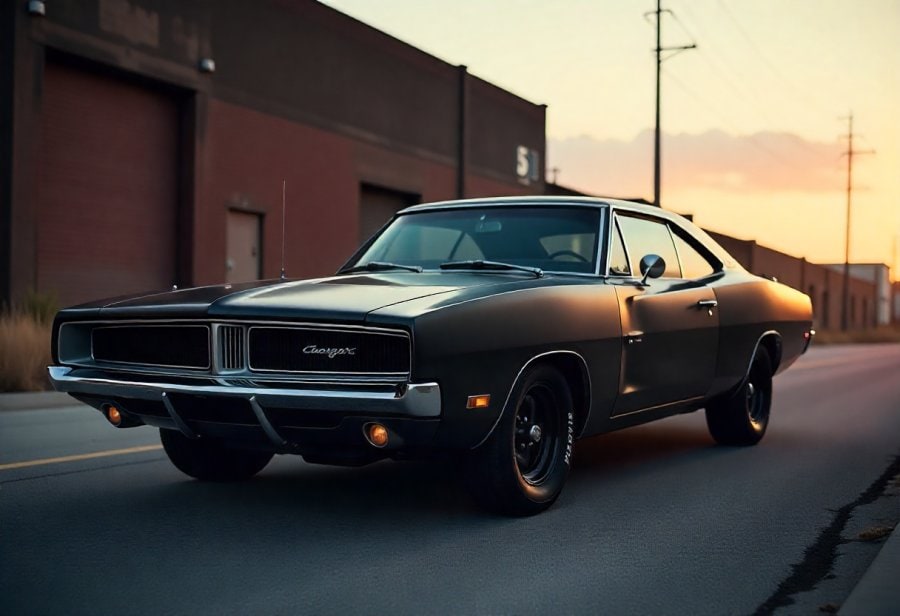
Muscle Car Rebellion: The Cultural Mythos of the Dodge Charger
The Dodge Charger has long transcended its role as a mere performance vehicle to become a powerful icon of muscle car rebellion. Its deep, commanding roar isn’t just a sound—it’s a declaration of independence and attitude. With its aggressive stance, wide grille, and sharp lines, the Charger signals strength and defiance, embodying the spirit of those who refuse to conform. For decades, it has stood as a symbol of freedom on wheels, inspiring drivers to embrace their primal instincts and own the road with confidence.
Its presence in movies, music, and pop culture has cemented the Charger’s place as an emblem of rebellion. Films like *Bullitt* and *The Dukes of Hazzard* immortalized the vintage Charger as a vehicle of daring and adventure. Modern portrayals continue to showcase its raw power, reinforcing its image as a street racing beast. The car’s iconic silhouette and growling engine have become synonymous with midnight street races and high-stakes showdowns, fueling a passionate community that sees the Charger as more than just a machine—it’s a statement of attitude.
Models like the 1969 Charger R/T and the Daytona carved their names into muscle car history. The R/T’s sleek fastback design and big-block engine made it a street legend, celebrated in racing stories and car culture alike. The Daytona, built for NASCAR, pushed the boundaries of speed and aerodynamics, symbolizing America’s racing dominance. Today’s high-performance versions, like the SRT Hellcat with over 700 horsepower, carry that rebellious spirit into the modern era. These cars aren’t just about raw power—they’re symbols of street racing legend and American muscle reborn.
The Charger’s cultural significance goes beyond performance; it embodies a nonconformist attitude that defines muscle car culture. Owning a Charger is an act of defiance, a way to express individuality through power and attitude. Every element—from its roaring engines to muscular lines—screams readiness to unleash primal energy. The car’s aggressive design cues, like hood vents and wide hips, evoke a predator on the prowl, always poised to strike. It’s built to stir primal urges and make a visceral statement wherever it roars.
This mythos is reinforced by the communities that rally around the Charger. Enthusiasts see it as a vessel of rebellion, a symbol of speed, freedom, and attitude. Its growl and presence evoke primal instincts—stirring a visceral response across generations. The Charger isn’t just a car; it’s a cultural icon that reminds us of the unyielding spirit of American muscle. Even as automotive technology advances, the Charger’s rebellious legacy remains intact, inspiring stories of daring, speed, and nonconformity that continue to ignite the primal drive in all who encounter it.
Primordial Power: How the Charger Evokes Raw Driving Instincts
The Dodge Charger’s design and performance are crafted to ignite our most primal driving instincts. Its wide stance and low profile give it an aggressive, predatory presence that commands attention the moment it appears. Every curve, every line is intentionally sculpted to evoke strength and ferocity, making the Charger feel less like a machine and more like a beast ready to strike. This primal aesthetic isn’t just for show; it signals the raw power lurking beneath its muscular exterior, demanding respect and awe.
Beneath the hood, the Charger’s engines—whether a thunderous V8 or the supercharged beast in the SRT Hellcat—are built for instant torque and explosive acceleration. The deep, guttural growl of its exhaust isn’t just noise; it’s a visceral reminder of its primal spirit. When you rev the engine, that roar awakens something deep inside, stirring adrenaline and a desire to dominate the road. It’s a sound that taps into our primal instincts, making every drive feel like an encounter with a predator in the wild.
Handling amplifies this primal connection. Wide tires and a finely tuned suspension respond instinctively to every driver input, making the Charger feel like an extension of your own instincts. Sharp turns and rapid accelerations seem almost natural, as if the car anticipates your need to unleash power and fury. This immediate responsiveness transforms every drive into a visceral experience—more than transportation, it becomes a primal dance with raw energy.
Design features like hood vents and muscular contours do more than look aggressive—they reinforce that primal link. These elements hint at readiness and strength, signaling that the Charger is always poised to unleash its full fury. The harmony between its menacing appearance and feral performance creates a vehicle that feels alive—hungry, alert, and always ready to strike.
Modern performance upgrades continue to emphasize this primal nature. Supercharged engines produce a thunderous growl that stirs adrenaline, while wide, muscular bodies enhance stability and speed. The Charger feels like it’s constantly on the edge of unleashing its full feral potential—designed for those who crave that primal rush and want to feel alive behind the wheel. Every element is tuned to awaken the deepest instincts of speed and power.
Driving a Charger reconnects you with primal urges that often lie dormant. It’s not just about getting from point A to B; it’s about feeling the raw energy, hearing its commanding roar, and trusting that the car responds with feral precision. Each throttle and turn awakens primal responses, making the experience visceral and unforgettable. The Charger isn’t just a car—it’s a beast that demands respect and invites you to unleash your most primal driving instincts.
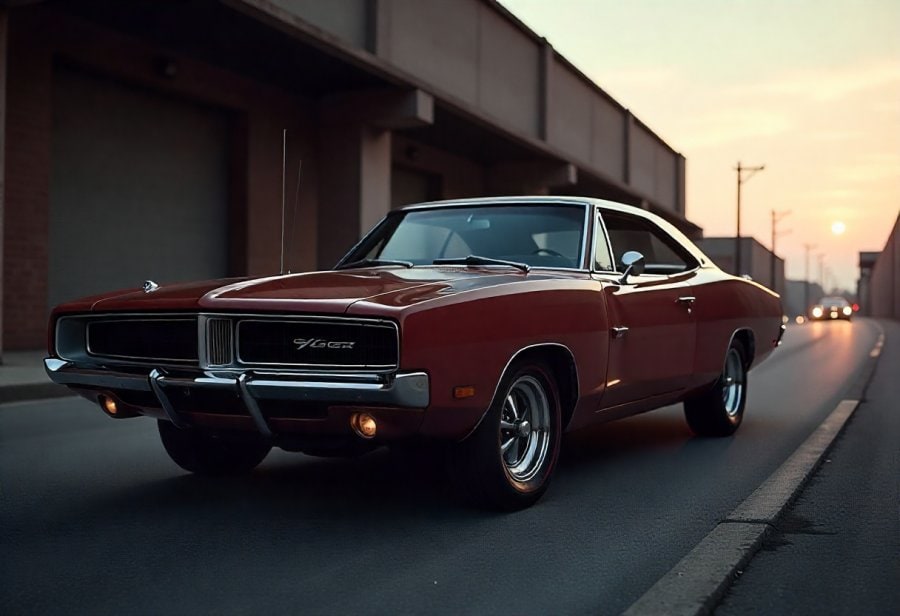
Charging Forward: The Future of the Dodge Charger and Its Enduring Legacy
The future of the Dodge Charger remains bright, even as it evolves to meet modern performance standards while staying true to its primal roots. Automakers are increasingly blending high-tech innovations with raw power, and Dodge is no exception. Upcoming models are expected to feature advanced suspension systems, high-performance brakes, and refined handling technologies that enhance control without sacrificing the visceral thrill the Charger is known for. This balance between technology and instinctual driving keeps the Charger relevant as a street racing beast that appeals to both old-school enthusiasts and new generations.
Despite the industry’s shift toward electrification, Dodge seems committed to preserving the essence of what makes the Charger legendary. Rumors hint at electrified powertrains designed to deliver instant torque and explosive acceleration, maintaining that primal rush fans crave. This transition could introduce a new dimension of street power, combining modern electric performance with the growl and presence that define the Charger’s identity. It’s a promising move that suggests the Charger’s raw, primal appeal will endure, even in a future dominated by clean energy and high efficiency.
Design-wise, future Chargers are likely to continue emphasizing aggression and presence. Expect bold styling cues—muscular contours, hood vents, and signature lighting—that evoke the same primal instincts as the original models. Dodge’s focus on maintaining a feral, street-ready look will help ensure that the Charger’s visual impact remains unmistakable. This continuity in design will serve as a bridge, linking the car’s storied past with its innovative future, reinforcing its status as a mythic icon on the road.
Performance features such as launch control, customizable drive modes, and advanced traction management are set to become more sophisticated, giving drivers the tools to unleash the Charger’s full potential responsibly. These innovations will allow enthusiasts to experience that primal rush safely and reliably, making every drive a visceral encounter. As Dodge refines the driving experience, the Charger will continue to stand out as a symbol of raw power and rebellious attitude, inspiring a new generation of street racing legends.
Even as automotive technology advances, the Charger’s core identity as an unrelenting muscle car will stay intact. Its iconic design cues, roaring engines, and rebellious spirit remain central to its appeal. Dodge’s focus will be on preserving that primal connection—delivering a vehicle that not only looks feral but responds with feral instinct. The Charger’s legacy is rooted in its ability to adapt without losing its fierce, rebellious soul, ensuring it remains a symbol of American muscle for decades to come.
Looking ahead, the Charger’s story is one of continuous innovation built on a foundation of rebellion and power. Its future will likely include more personalized and performance-oriented features, giving drivers even deeper ways to connect with its primal essence. Whether through electrified powertrains or cutting-edge aerodynamics, the Charger will keep pushing boundaries while honoring its legendary past. Its enduring appeal lies in that perfect mix of raw muscle and modern muscle—always ready to ignite the road’s primal instincts and roar into the future.