The backyard mechanic’s garage is more than a workspace; it’s a sanctuary where passion, craftsmanship, and history intertwine. This intimate space transforms rusted relics into revitalized masterpieces, driven by patience, ingenuity, and a deep love for vintage vehicles. But what secrets lie behind this ritual of restoring old machines? As technology advances, the culture of DIY restoration evolves—making craftsmanship more accessible while preserving traditional values. From organizing tools to sourcing authentic parts, this hobby demands a blend of resourcefulness and meticulous attention to detail. The community’s stories of late-night tinkering and shared knowledge fuel a movement rooted in authenticity and perseverance. As modern techniques merge with timeless skills, the future of backyard restoration promises to keep alive a rich heritage of ingenuity. Each project is more than repair; it’s a testament to the enduring magic of turning forgotten metal into a vibrant symbol of revival.
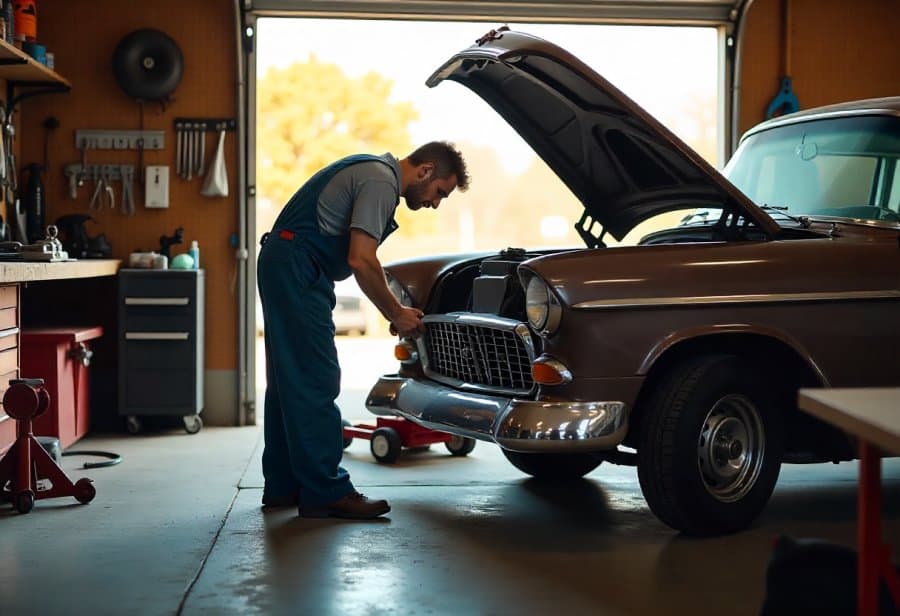
Sanctuary of Passion: Exploring the Backyard Mechanic’s Personal Workshop
A backyard garage is more than just a space to park a car; it’s a personal sanctuary where passion and craftsmanship come alive. For many enthusiasts, it’s a place where restoring vintage vehicles transforms into a labor of love, blending technical skill with creative expression. These garages become workshops of patience, where every bolt turned and every part repaired carries a story of dedication.
In these spaces, the act of fixing a car is more than just maintenance—it’s a ritual. The scent of oil and metal mingles with a sense of purpose. Hands, often greasy and calloused, work methodically, tuning engines or rebuilding transmissions. Here, time seems to slow, allowing focus to sharpen on the details that make each project unique. It’s a space where mistakes are just stepping stones, and progress is measured by the satisfying sound of a well-timed spark or a smooth engine rev.
Tools are more than equipment; they’re extensions of the mechanic’s craft. Rows of neatly organized wrenches, screwdrivers, and specialized tools reflect a deep respect for the process. Each has a purpose, each is carefully chosen. The cluttered workbench, scattered with parts, notes, and coffee cups, tells the story of ongoing projects—an evolving testament to patience and perseverance.
This garage is also a reflection of the owner’s love for machines. Vintage cars aren’t just transportation—they’re artifacts of history, craftsmanship, and nostalgia. Restorers see their work as preserving stories from a bygone era. Every dent, scratch, and rusted panel is a chapter in a larger narrative of revival, passed down through generations of hobbyists who share this quiet passion.
Beyond the technical, it’s about the connection to something larger—an art form rooted in patience, resourcefulness, and authenticity. Each project involves careful assessment, methodical work, and a deep respect for the vehicle’s original design. It’s in these moments that the true magic happens: turning old, neglected parts into something that runs and shines again, breathing new life into relics of the past.
The backyard mechanic’s sanctuary is a space of continuous learning. Every project brings new challenges, new skills to master, and new stories to tell. It’s a place where failure is just a stepping stone, and success is celebrated with pride. It’s about more than cars; it’s about a mindset—a commitment to craftsmanship and a love for the craft that keeps the spirit of restoration alive.
Ultimately, this space embodies the essence of what it means to be a backyard mechanic. It’s a place of patience, ingenuity, and quiet pride. Here, rust transforms into revival, and old machines find new purpose. It’s a home for craftsmanship, a testament to the enduring love for vintage cars, and a sanctuary that fosters a lifelong passion for turning metal and rust into masterpieces.
Roots of Revival: Tracing the Heritage of Backyard Car Restoration
The backyard mechanic movement runs deep in the history of automotive culture, reflecting a time when owning and maintaining a vehicle was a hands-on, personal experience. Decades ago, many car owners relied on their own skills to keep their vehicles running, transforming driveways and garages into makeshift workshops. This DIY spirit was born out of necessity and passion alike—people wanted to save money, control their repairs, and truly understand their machines. Over time, this approach fostered a culture of resourcefulness and ingenuity, where fixing and customizing cars became a form of personal pride.
Back then, owning a vintage or classic car was more than just transportation; it was an expression of craftsmanship and individuality. Enthusiasts would spend late nights tinkering, repairing, and personalizing their vehicles. These projects turned ordinary garages into creative hubs filled with tools, spare parts, and stories of late-night fixes. A sense of community emerged, built on shared knowledge and mutual love for vintage cars, laying the groundwork for a broader cultural movement rooted in craftsmanship.
Influential figures helped shape this ethos, elevating garage work from simple repairs to an art form. Hot-rodders like Ed “Big Daddy” Roth brought rebellious, innovative designs into the spotlight, inspiring backyard mechanics to push boundaries. Carroll Shelby’s legendary performance work encouraged hobbyists to think bigger and develop their skills further. These icons motivated generations to see their garages as places of creativity and skill, not just repair stations.
Over the years, this grassroots revival gained momentum through car clubs, local meets, and community events. Enthusiasts shared progress, exchanged tips, and celebrated each other’s work, creating a vibrant network of craftsmanship. The rise of online forums and social media expanded this community globally, making it easier to connect, learn, and preserve vintage styles. These platforms helped keep alive the values of authenticity, resourcefulness, and a deep respect for automotive history.
Today, the culture of backyard restoration continues to thrive, driven by a new wave of passionate enthusiasts. Modern tools like affordable welding kits, digital diagnostics, and online tutorials have made restoration more accessible than ever. Despite technological advances, the core spirit remains unchanged—focused on patience, authenticity, and personal craftsmanship. This blend of tradition and innovation keeps the backyard mechanic culture vibrant and evolving.
The drive to preserve automotive history remains a central motivation. Restorers aren’t just fixing old cars—they’re safeguarding stories, craftsmanship, and a way of life rooted in patience and resourcefulness. Each completed project adds to a collective effort to keep vintage vehicles alive, ensuring that their stories and the skills involved in creating them are passed down. This ongoing dedication helps maintain the authenticity and artistry that define the spirit of backyard restoration.
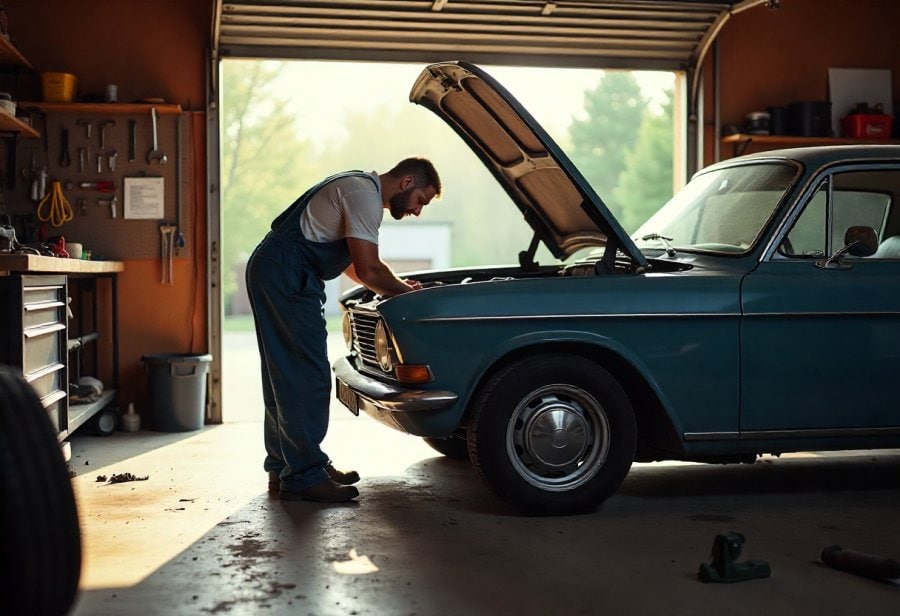
Foundations of Craftsmanship: Core Principles Behind Garage Restoration
At the core of garage restoration are principles that shape every project and define what it means to be a backyard mechanic. Patience and attention to detail stand out as essential virtues; rushing through repairs often leads to mistakes or missed issues that can derail progress. Taking the time to understand how each part functions and how they fit together lays a solid foundation for any restoration effort. This mindset reflects a respect for the vehicle’s history and a commitment to craftsmanship at every step.
Skills like rust removal, welding, and proper lubrication are more than routine tasks—they’re acts of craftsmanship developed through persistence and a willingness to learn. Carefully grinding away corrosion or fitting a panel with precision transforms basic repairs into an art form. Mastering these techniques not only improves the quality of the work but also builds confidence, broadening your toolkit for future projects. Each successful repair reinforces the value of patience and practice.
Authenticity is a guiding philosophy for many backyard restorers. Whenever possible, sourcing original parts or repairing existing components preserves the vehicle’s true character. This respect for originality often influences every decision, emphasizing the importance of maintaining the vehicle’s historical integrity. Some enthusiasts choose modern upgrades—like electronic ignitions or suspension improvements—that boost safety and reliability without sacrificing the vintage feel. Striking a balance between authenticity and personal touch is a hallmark of the craft.
Breaking down the restoration process into manageable stages—assessment, rust removal, bodywork, mechanical rebuilds, and finishing—helps keep projects organized and achievable. Each phase acts as a milestone, preventing overwhelm and ensuring steady progress. Approaching the work methodically makes the journey more enjoyable and the results more satisfying. It turns daunting tasks into a series of small victories, each bringing you closer to the finished product.
Resourcefulness plays a vital role. Limited budgets and hard-to-find parts mean creative problem-solving is often necessary. Scavenging from junkyards, repurposing old materials, or devising alternative repair methods can save money and deepen your skills. Troubleshooting mechanical issues often involves research, community advice, and experimentation. Overcoming these hurdles not only advances the project but also cultivates independence and ingenuity—traits that define true craftsmanship.
Maintaining a well-organized workspace boosts efficiency and keeps frustration at bay. Using pegboards for tools, labeling storage bins, and keeping parts within reach streamlines the workflow. A tidy garage isn’t just about aesthetics; it reduces mistakes and makes the process more enjoyable. Clear organization allows you to focus fully on each task, turning a potentially chaotic environment into a productive workshop.
In the end, garage restoration is about more than fixing cars—it’s a discipline rooted in patience, resourcefulness, and a passion for craftsmanship. Each project is a learning journey, a chance to refine skills and deepen your connection to the machine. By embracing these core principles, backyard mechanics preserve a timeless tradition—transforming rust into revival and old metal into something extraordinary.
Hands-On Wisdom: Practical Tips and Real-World Examples for Restorers
Restoring a vintage vehicle in your backyard requires more than enthusiasm; it demands practical know-how and careful planning. Starting with a thorough assessment of the car sets the foundation. Identify rusted spots, damaged panels, and mechanical issues to develop a clear game plan. Breaking the project into manageable steps—disassembly, rust removal, bodywork, mechanical repairs, and reassembly—keeps things focused and less overwhelming. Tackling each stage one at a time turns a daunting task into a series of achievable milestones, building confidence as you go.
Investing in quality tools makes a noticeable difference. A solid socket set, a reliable jack, and a good welding kit are worth the investment. When dealing with rust, methods like sandblasting or chemical dips can save hours of tedious sanding. Protect yourself with safety gear—masks, gloves, and goggles—and work in a well-ventilated space. These techniques help transform a corroded shell into a clean surface, ready for primer and paint, which are crucial for long-term protection against future rust.
Rebuilding an engine in your backyard is about patience and precision. Disassemble carefully, keeping track of all parts with notes or photos. Clean each component thoroughly before reassembling, and don’t rush the process. Connecting with online communities or local clubs can provide valuable tips, troubleshooting advice, and sometimes spare parts. These networks are a lifeline when you hit a snag, turning a frustrating problem into a learning opportunity.
Organization is key to efficiency. Use pegboards for tools, label bins for small parts, and keep your workspace tidy. A clean, well-organized garage streamlines your workflow and reduces mistakes. When parts are within reach and everything has its place, you spend less time searching and more time making progress. This focus keeps your project moving forward smoothly and makes the work more enjoyable.
Finding the right parts can be the most challenging aspect. Online marketplaces like eBay or specialized auto parts sites offer a wide selection, but local junkyards can be goldmines for affordable, authentic pieces. Building relationships with car clubs or online forums often leads to part exchanges or shared advice, saving time and money. Patience and persistence are essential—sometimes, the perfect part takes a little longer to find, but the satisfaction of everything fitting perfectly makes it worthwhile.
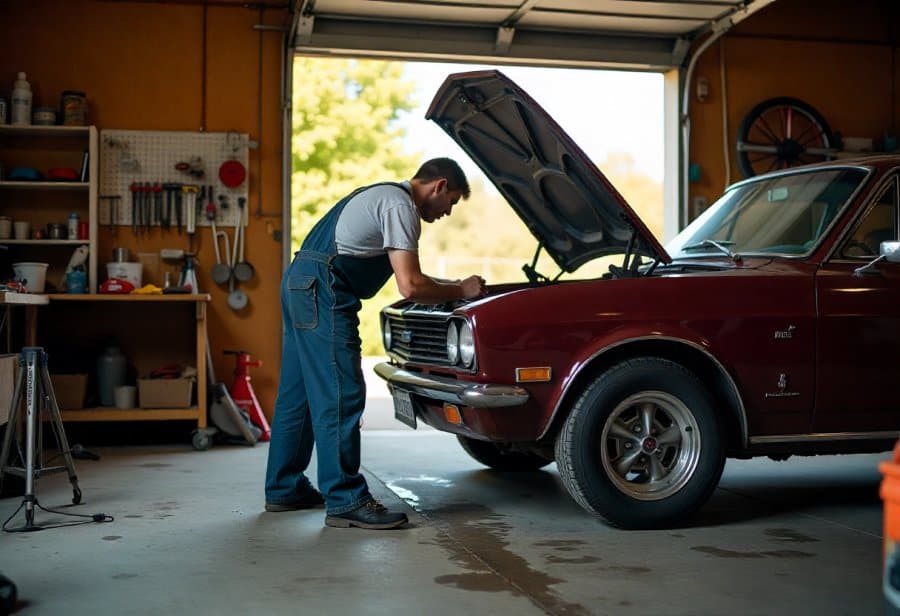
Revival’s Horizon: Embracing Trends and Future Prospects in Backyard Restoration
The future of backyard restoration is brighter than ever, fueled by a passionate community that values craftsmanship and personal connection to automotive history. Advances in affordable, user-friendly tools like electric welders, paint sprayers, and digital diagnostics are lowering barriers for hobbyists, making ambitious projects more accessible. Online tutorials, forums, and social media groups continually inspire and educate a new generation of backyard mechanics, keeping the craft alive and evolving.
Emerging trends such as eco-friendly restoration techniques are reshaping how enthusiasts approach their projects. Using sustainable paints, recycling parts, and exploring alternative repair methods not only benefit the environment but also foster innovation. These practices demonstrate that backyard mechanics can blend tradition with modern concerns, ensuring the culture remains relevant and forward-looking.
Access to information has never been easier. Beginners can start with small, manageable projects, gaining confidence through online guides and local meetups. As more people embrace the hobby, garages transform into spaces of continuous learning and experimentation, where skills grow alongside stories of personal achievement. This expanding community helps preserve the values of patience, authenticity, and resourcefulness that define backyard restoration.
Restorers aren’t just fixing old cars—they’re safeguarding cultural stories, craftsmanship, and a way of life rooted in patience and ingenuity. Each completed project adds to a collective effort to preserve automotive history, passing down techniques and values through generations. This ongoing dedication ensures that the spirit of the backyard mechanic endures, turning rust into revival and old metal into something extraordinary.
Modern technology continues to enhance the craft, seamlessly blending old-school patience with new tools. Digital diagnostics and affordable welding equipment make complex repairs achievable for amateurs, complementing the resourcefulness that has always been central to the hobby. This fusion of tradition and innovation keeps the movement dynamic, relevant, and inspiring for newcomers and seasoned restorers alike.
Looking ahead, the potential for growth in backyard restoration remains vast. As more people discover the satisfaction of hands-on work and the beauty of craftsmanship, garages become hubs of creativity and community. Sharing stories, techniques, and successes will strengthen this tradition, fostering a lifelong passion that connects past, present, and future.
The quiet magic of the backyard mechanic’s craft will continue to thrive, driven by a community that values authenticity, patience, and ingenuity. Each restored vehicle is more than just a project—it’s a testament to the enduring love for vintage cars and the skill that breathes new life into them. As the movement evolves, it will inspire new generations to turn rust into revival, keeping the legacy alive and vibrant for years to come.